Jak przygotować się do egzaminu Staatsexamen NT2 Programma I ze słuchania (Luisteren)?
Egzamin NT2 Programma I ze słuchania (Luisteren) wykorzystuje codzienny niderlandzki na poziomie B1, o pracy, nauce i życiu codziennym. Każdy fragment odtwarzany jest tylko raz, więc nie usłyszysz go drugi raz.
Najlepszy bezpłatny sposób na przygotowanie to dużo słuchania prawdziwego niderlandzkiego na poziomie B1. Poniżej znajdziesz darmowy pakiet 100 filmów B1, w tempie mówienia zbliżonym do egzaminu.
Porady od nauczyciela eksperta
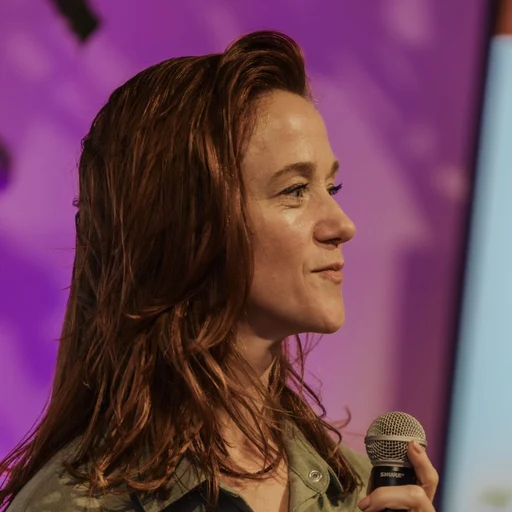
Nauczycielka niderlandzkiego i trenerka mówienia od 2013 roku · założycielka Dutch Speaking Academy
Wskazówki dotyczące słuchania na tej stronie pochodzą od Mariski van der Meij, nauczycielki niderlandzkiego i trenerki mówienia od 2013 roku. Założyła Dutch Speaking Academy pod Amsterdamem, gdzie pomaga obcokrajowcom, którzy rozumieją dużo po niderlandzku, ale wciąż przechodzą na angielski, gdy tylko ktoś się do nich odezwie. Pracowała już z ponad 1000 osób.
Od nauczycielki niderlandzkiego
Jak przygotować się do testu ze słuchania NT2 Programma I?
Najpierw poznaj format egzaminu. Luisteren trwa 90 minut i obejmuje około 40 pytań do 5 lub więcej tekstów. Każde pytanie ma 3 lub 4 odpowiedzi, z których tylko jedna jest prawidłowa. Masz około 25 sekund na przeczytanie pytania, zanim zacznie się dany fragment, a od 1 do 3 fragmentów to krótkie klipy wideo. I każdy fragment odtwarzany jest tylko raz. Goethe i DELF powtarzają niektóre części, ale ten egzamin nigdy tego nie robi, więc musisz złapać wszystko za pierwszym razem.
Dlatego zanim zapiszesz się na egzamin, poświęć trochę czasu na egzamin próbny. Oficjalne są darmowe, możesz je zrobić w domu na własnym komputerze. Dzięki temu zyskasz jasny obraz swojego poziomu i sprawdzisz swoją gotowość do egzaminu.
Ćwicz w tempie egzaminu, nie w tempie podcastów
Nagrania na egzaminie płyną dość szybko. Pomaga dużo ćwiczyć z egzaminami próbnymi i prawdziwym wideo, a stopniowo odchodzić od podcastów, które celowo są nagrywane wolno. Na początku są świetne, ale nie przygotują twojego ucha na tempo egzaminu.
Osoby w nagraniach mówią o pracy, nauce i codziennym życiu w takim tempie, jakiego użyłyby z każdym innym rozmówcą. To zwykły niderlandzki i właśnie jemu warto poświęcić najwięcej czasu podczas ćwiczeń.
Wybieraj filmy na swoim poziomie, z odrobiną wyzwania
Ćwicz z filmami na swoim poziomie, ale wybieraj takie, które są dla ciebie odrobinę trudniejsze. Jeśli wszystko jest łatwe, niczego nie trenujesz. Jeśli rozumiesz prawie nic, tylko zgadujesz.
A jeśli możesz, ćwicz z Holendrem albo nauczycielem, który zadaje ci pytania o szczegóły z materiału, nad którym pracujesz. To, że musisz komuś odpowiadać, sprawia, że słuchasz dużo uważniej niż samodzielnie.
Ćwiczenie na 20 sekund słuchania
Wiele podcastów i filmów ma napisy albo transkrypcję. Oto jak ja bym je wykorzystała. Weź krótki fragment, mniej więcej 20-sekundowy, i przećwicz go w ten sposób:
Posłuchaj raz, nie patrząc na tekst. Ile udało ci się zrozumieć? Jakie szczegóły udało ci się uchwycić?
Powiedz na głos, co udało ci się usłyszeć, albo poproś kogoś o szczegółowe pytanie na ten temat.
Posłuchaj jeszcze raz, wciąż bez tekstu, i sprawdź, czy twoja odpowiedź się zmienia.
Posłuchaj trzeci raz, czytając jednocześnie transkrypcję lub napisy.
Przejdź do kolejnego fragmentu i zacznij od nowa.
Rób to maksymalnie przez 30 minut, a potem zrób sobie przerwę. Takie skupienie kosztuje mnóstwo energii, więc dbaj o siebie i nie przesadzaj. To świetny sposób na trening słuchania i przyzwyczajenie się do wyłapywania potrzebnych informacji.
To samo możesz ćwiczyć też w prawdziwym życiu
Nie potrzebujesz do tego ekranu. W pociągu, czekając na kawę w ulubionej kawiarni albo gdy ludzie wokół ciebie rozmawiają, słuchaj w ten sam sposób. O czym to jest? Co postanowili? Wszystko się liczy.
Holendrzy często wtrącają słowa-wypełniacze
Cały czas mówimy uhm, zeg maar („no, tak jakby”), weet je wel („wiesz”), nou („no cóż”) i hoe zal ik het zeggen („jak by to ująć”). Wypełniają ciszę, gdy myślimy, i prawie nic nie znaczą.
Na egzaminie skup się na udzieleniu dobrej odpowiedzi. Staraj się odfiltrować te słowa i słuchaj kluczowych słów z pytania, które masz przed oczami.
Dobry tydzień łączy jedno i drugie. Oglądaj prawdziwy niderlandzki na swoim poziomie przez większość dni, żeby twoje ucho przyzwyczaiło się do normalnego tempa, i od czasu do czasu zrób pełny egzamin próbny, żeby format nie zaskoczył cię w dniu egzaminu. Miej cierpliwość do siebie i ciesz się tym. Succes!
Dlaczego ten poziom
Dlaczego ludzie zdają Staatsexamen NT2 Programma I?
Programma I potwierdza niderlandzki na poziomie B1. Ludzie najczęściej potrzebują tego do:
Nauki na poziomie mbo albo pracy na poziomie mbo-3 lub mbo-4
Naturalizacji (holenderskiego obywatelstwa), gdzie liczy się dyplom NT2 na poziomie B1 lub B2
Integracji (inburgering), gdzie B1-route jest standardową drogą
Chcesz studiować albo pracować na poziomie hbo lub uniwersyteckim? To wymaga B2, więc zacznij od strony o egzaminie NT2 Programma II ze słuchania.
Za darmo · 99 filmów · 3 godziny 53 minuty
Twój darmowy pakiet NT2 Programma I ze słuchania
Oto 99 krótkich filmów nagranych przez prawdziwych native speakerów na poziomie B1, w tempie mówienia zbliżonym do egzaminu (około 200 słów na minutę). To niderlandzki z Holandii, odmiana używana na egzaminie, a nie flamandzki. Większość słów należy do 97% najczęściej używanych słów w mówionym języku niderlandzkim, więc pasują do języka, jakiego używa się na egzaminie. Razem to około 3 godziny 53 minuty ćwiczeń ze słuchania do egzaminu Staatsexamen NT2 Programma I. Wszystkie możesz obejrzeć poniżej za darmo.
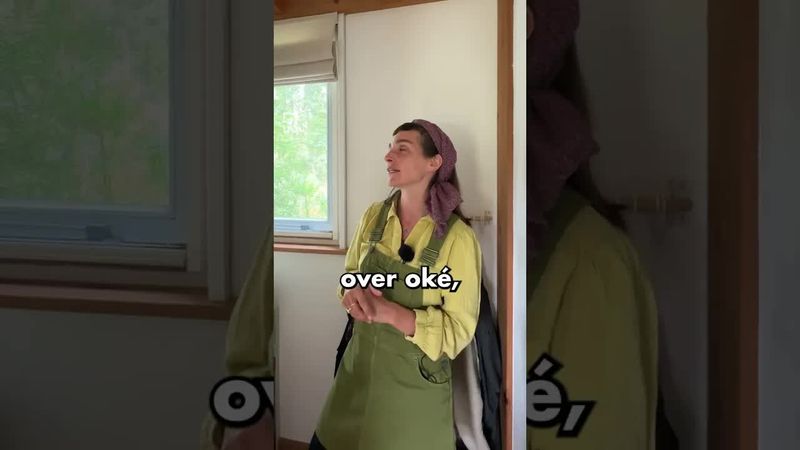
Leven met een kind in een tiny house
Rijnmond
Co poćwiczysz
A tour of a family tiny house, with amounts like "tweehonderdvijftig euro" and "vierendertig vierkante meter" spoken clearly.
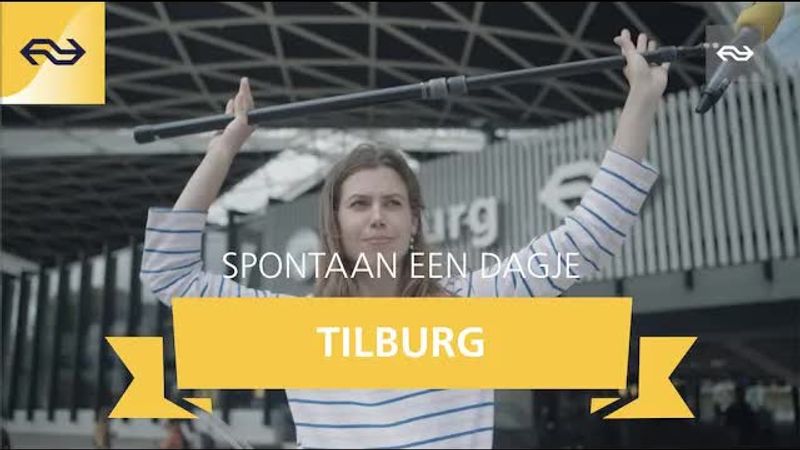
Een dagje Tilburg: tips voor een gezellig bezoek
NS
Co poćwiczysz
A day trip video about Tilburg where locals give tips, with recommendations like "zou ik zeker de Piershaven bezoeken".
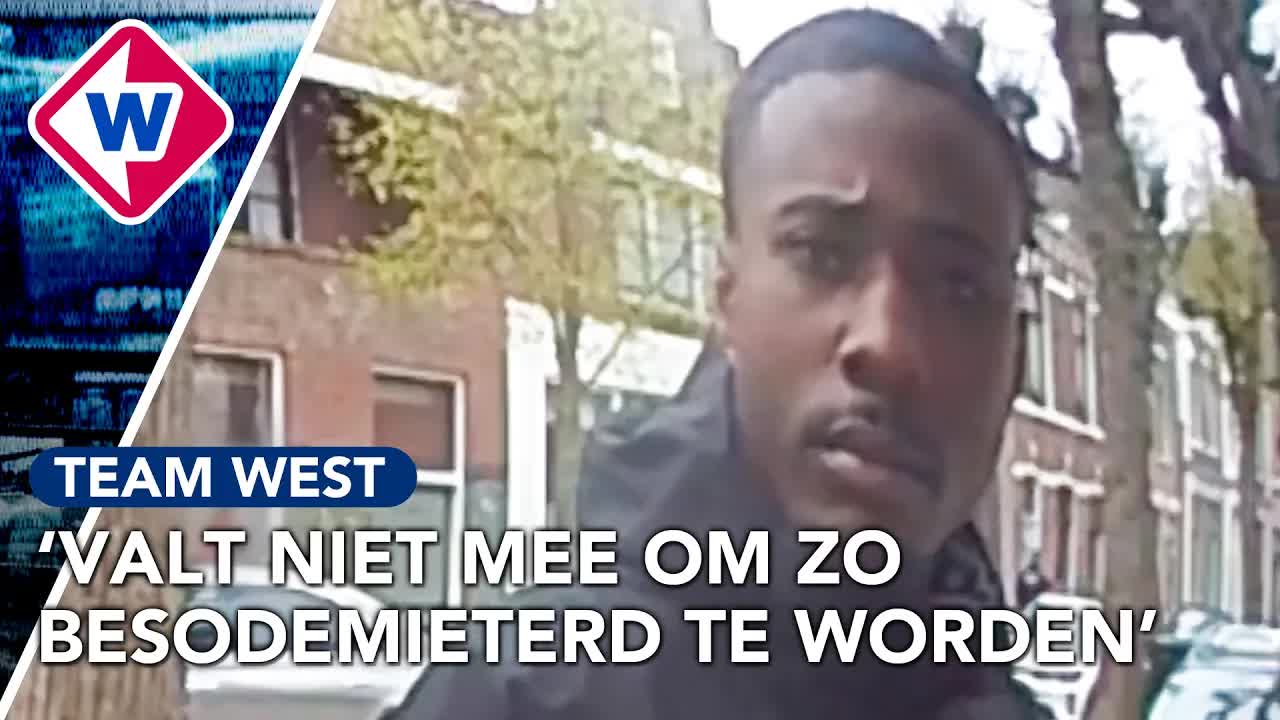
Vrouw verliest 2400 euro aan oplichters
Omroep West
Co poćwiczysz
A regional news report about phone scammers, with amounts like "€2400" and direct quotes from the victim's story.
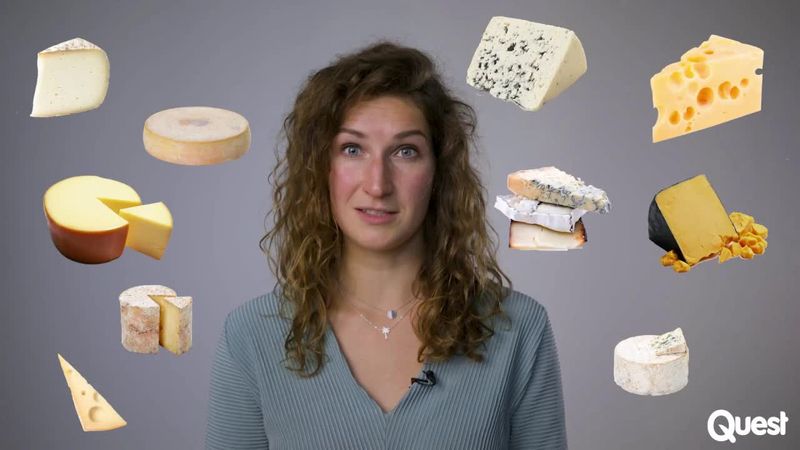
Vijf wetenschappelijke tips tegen keuzestress
Quest Magazine
Co poćwiczysz
A clear explainer with five tips against choice stress, ordered with "Tip 1" and numbers like "20 procent".
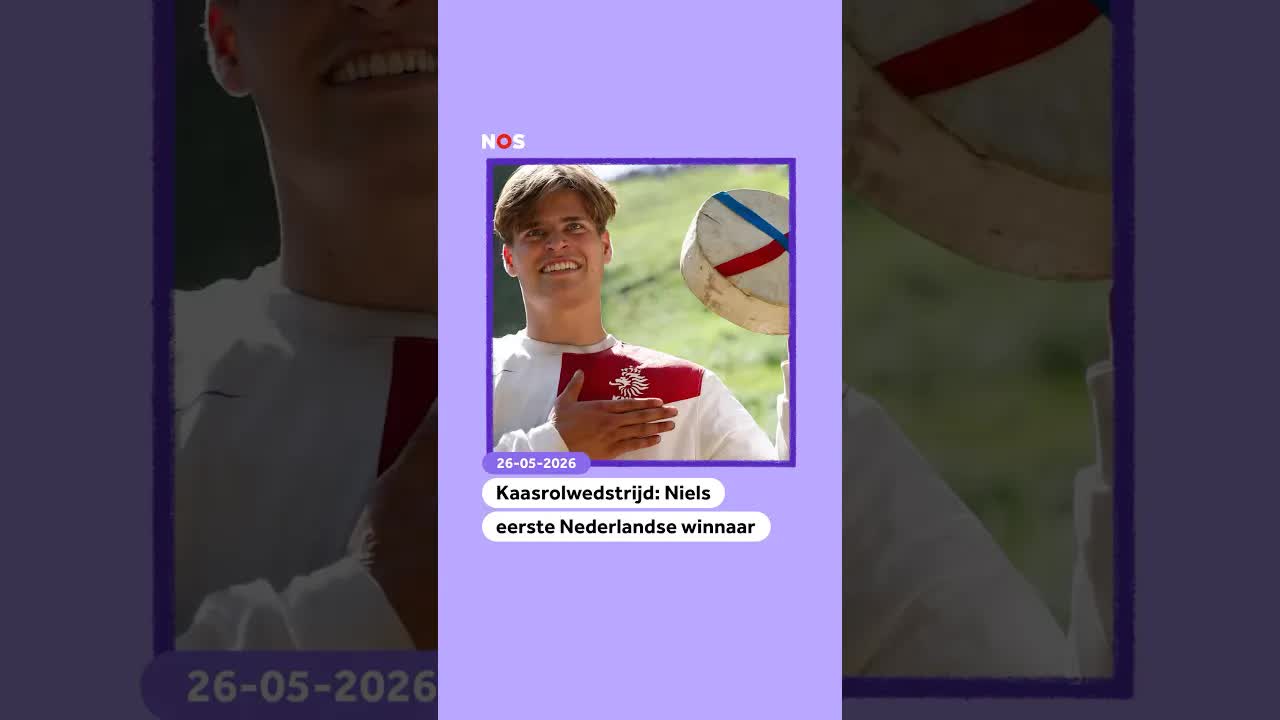
Niels Wenemars wint kaasrolwedstrijd in Engeland
NOS Stories
Co poćwiczysz
A short news report about a cheese rolling race in England, with connectives like "maar" and "eigenlijk" to explain the rules.
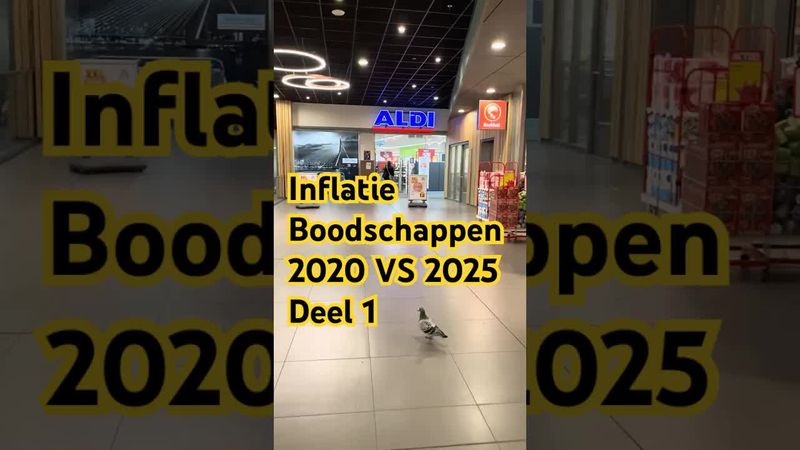
Boodschappen doen in 2020 vs nu: inflatie shock
LOVE de LEVE
Co poćwiczysz
A supermarket vlog comparing prices with a 2020 receipt, full of percentages like "zesendertig procent omhoog".
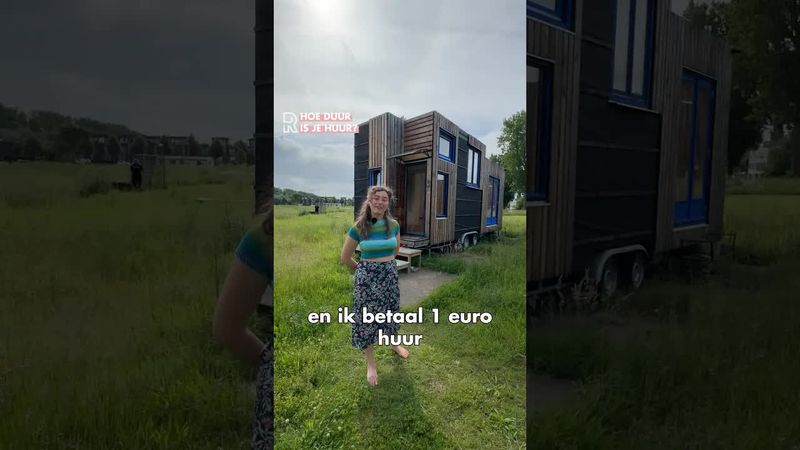
Leven in een tiny house van vijftien vierkante meter
Rijnmond
Co poćwiczysz
An interview and tour of a tiny house, with measurements like "vijftien vierkante meter" and rooms described in plain Dutch.
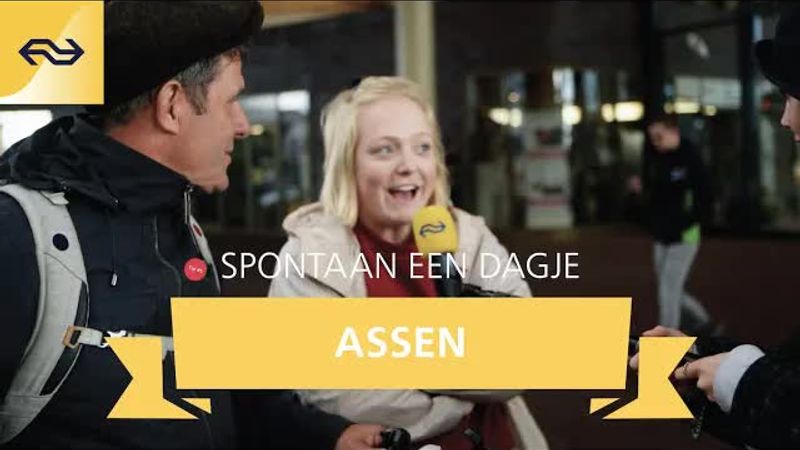
Een dagje Assen: tips voor stad en natuur
NS
Co poćwiczysz
A day trip video about Assen with tips from locals and directions like "vijf minuten lopen vanaf het station".
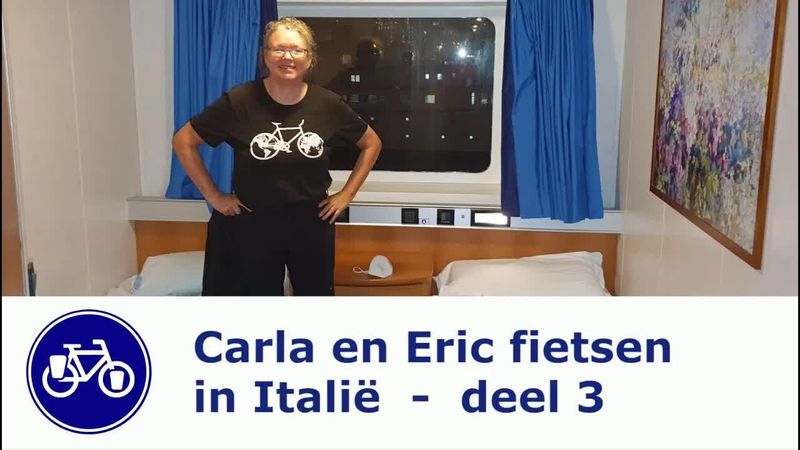
Fietsvakantie door Sicilië: Palermo, Erice en Marsala
De Vakantiefietser
Co poćwiczysz
A travel video about cycling through Sicilië, with heights and distances like "250 meter" and "8 kilometer" clearly explained.
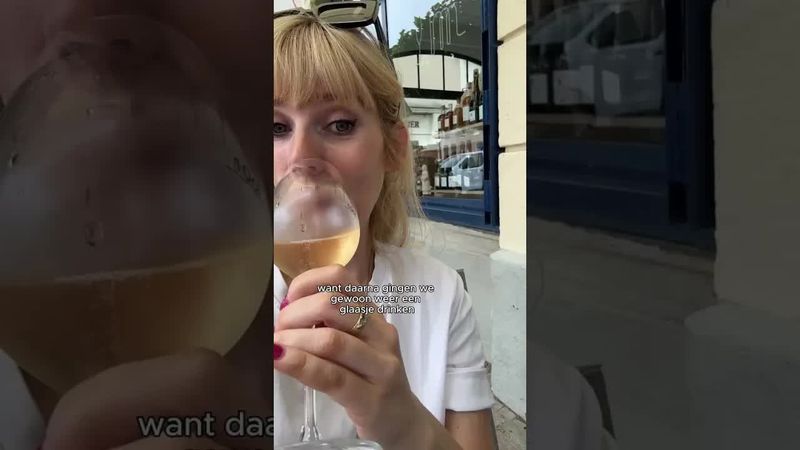
Weekendje in het champagnegebied met vriendinnen
Dylan Haegens Shorts
Co poćwiczysz
A travel vlog about a weekend in the French champagne region, with "daarna" and "trouwens" linking the stops of the trip.

Waarom Nederland nu zo droog is
NOS op 3
Co poćwiczysz
A reporter tours the drought by boat and on land, with a climate reporter, a houseboat owner and a grower answering in turn, so you hear the same topic handled by four different voices.
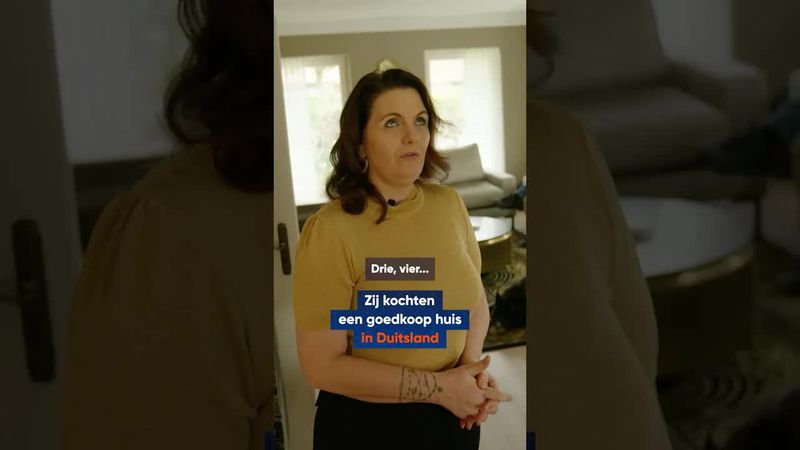
Nederlanders verhuizen naar Duitsland voor hun droomhuis
EenVandaag
Co poćwiczysz
A news interview about moving to Germany for a house, with prices like "vierhonderdvijftigduizend euro" and questions with "hoeveel".
Utrechters beantwoorden 7 persoonlijke vragen op straat
Easy Dutch
Co poćwiczysz
Street interviews in Utrecht where people finish sentences like "ik ben" and "ik was", clear everyday questions and answers.
Nieuws in makkelijke taal over opvang, natuurbrand en rookverbod
NOS Journaal in Makkelijke Taal
Co poćwiczysz
A news broadcast in easy Dutch about child shelters and nature fires, with numbers like "7000 kinderen" and "bijvoorbeeld".
Tips voor betere balans en veiligheid op de fiets
VeiligVerkeerNL
Co poćwiczysz
A how-to video about keeping balance on a bike, with instructions like "zorg ervoor dat" and the connective "daarom".
Tips voor een succesvol sollicitatiegesprek en voorbereiding
Utrecht University
Co poćwiczysz
An explainer about job interviews at work, with numbered tips and the question "Waarom wil je bij deze organisatie werken".
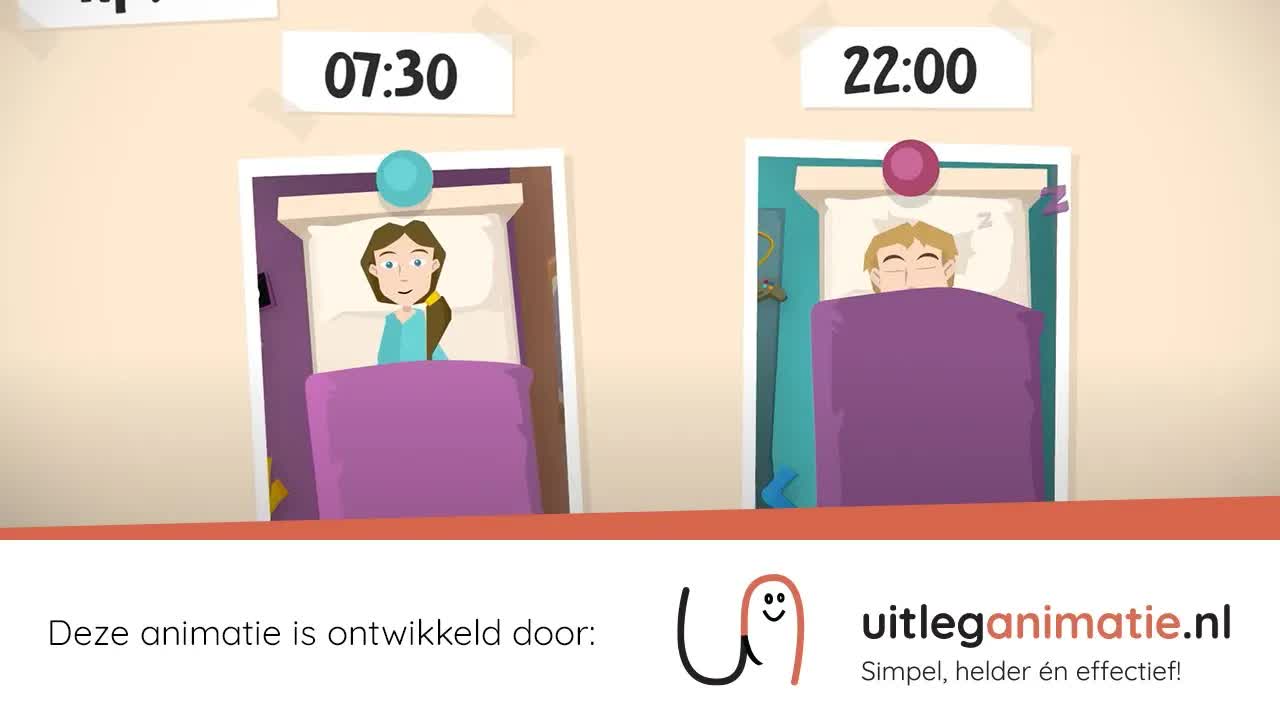
Slaaptips voor betere prestaties op school
Uitleganimatie
Co poćwiczysz
An animated explainer with numbered sleep tips for school days, using time phrases like "'s avonds" and "op dezelfde tijd".
Drie enge dieren die er echt bestaan
Dylanhaegens
Co poćwiczysz
An explainer about three strange animals, using "waarschijnlijk" and "namelijk" while describing what makes each one scary.
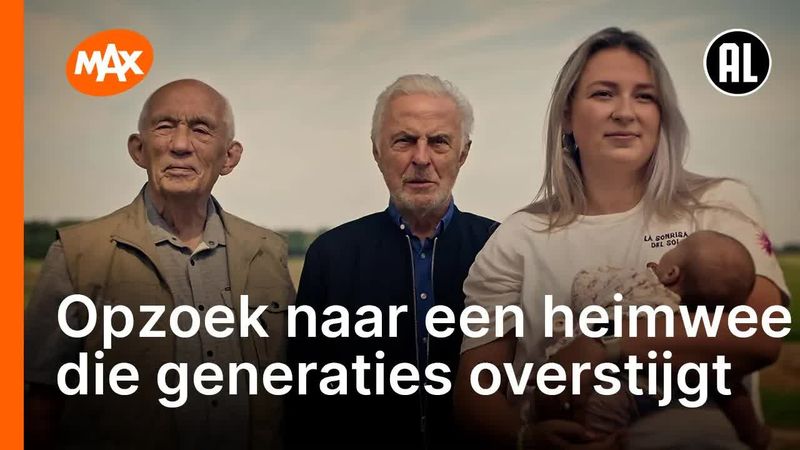
Heimwee naar Schokland en de verdwenen Zuiderzee
Omroep MAX
Co poćwiczysz
A documentary about the island "Schokland" and the old "Zuiderzee", with the year "18 59" in clear narration about history.
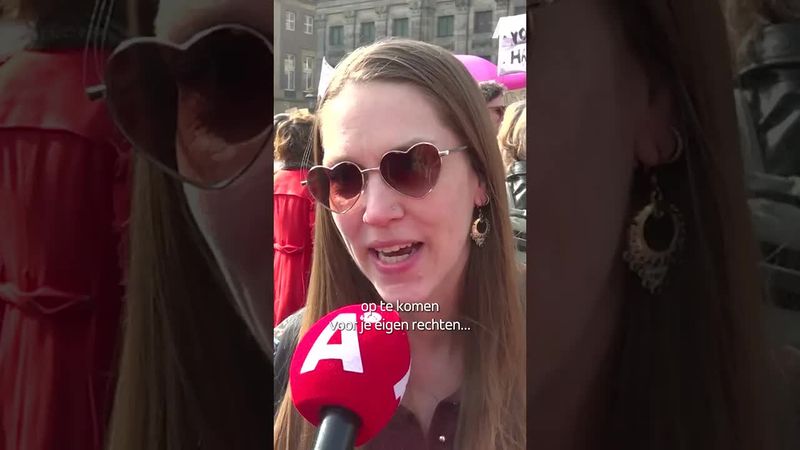
Vrouwen delen hun verhaal op de Amsterdamse vrouwenmars
AT5
Co poćwiczysz
Street interviews at a women's march in Amsterdam, where speakers use "eigenlijk" and "belangrijk" to explain their personal reasons.
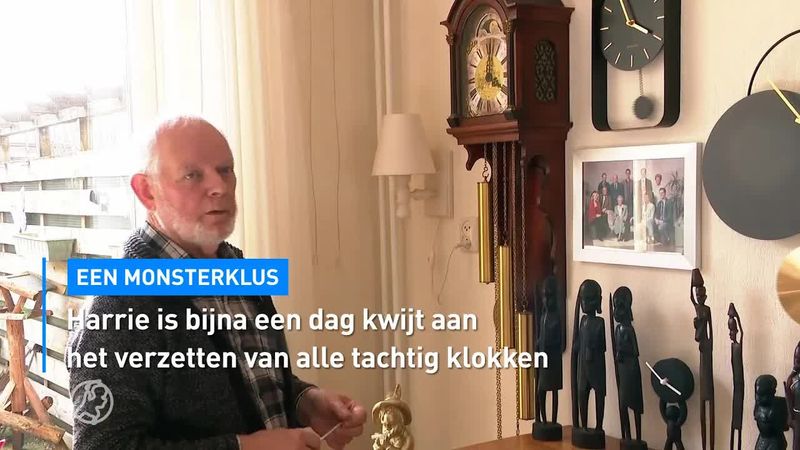
Harrie zet tachtig klokken op tijd voor zomertijd
Hart van Nederland
Co poćwiczysz
A news report about a man setting eighty clocks for summer time, with time phrases like "een uur vooruit".
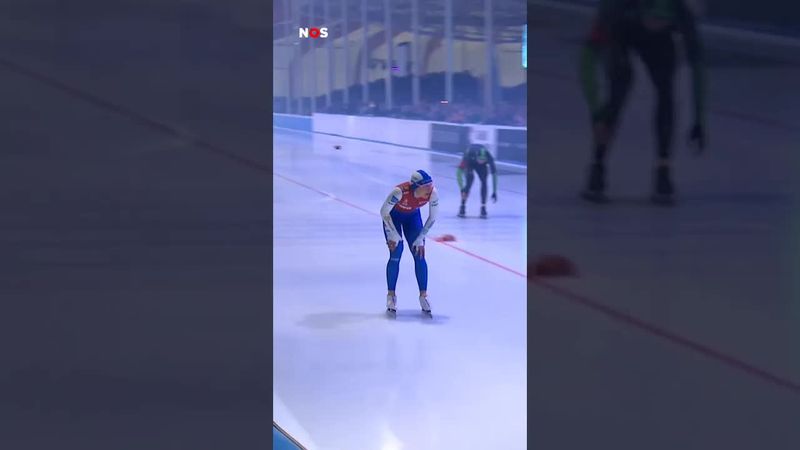
Joy Beune verslaat Jenning de Boo op de 3000 meter
NOS Jeugdjournaal
Co poćwiczysz
A short sport report about a skating duel, where clear narration explains the race with "in de laatste ronde".
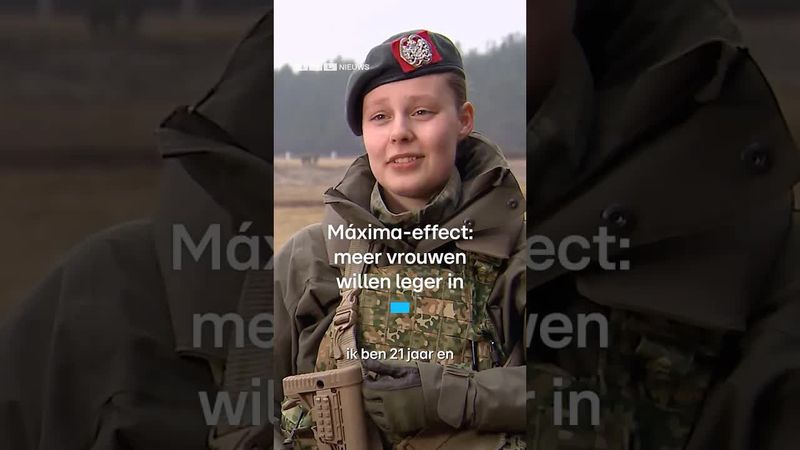
Máxima-effect: meer vrouwen kiezen voor het leger
RTL Nieuws
Co poćwiczysz
A news report about women choosing army work, with numbers like "1 op de 6" reservists.
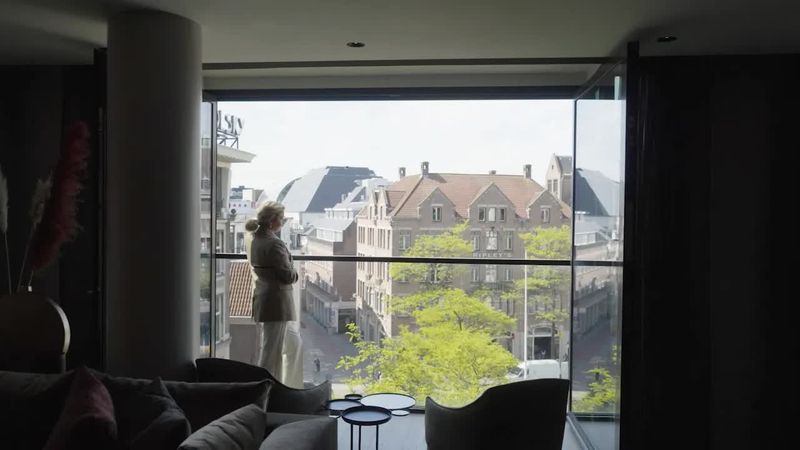
Wonen op de Dam in hartje Amsterdam
FanClub Centrum
Co poćwiczysz
An apartment tour on the Dam in Amsterdam, where the resident describes rooms and views using "natuurlijk" and "bijzonder".
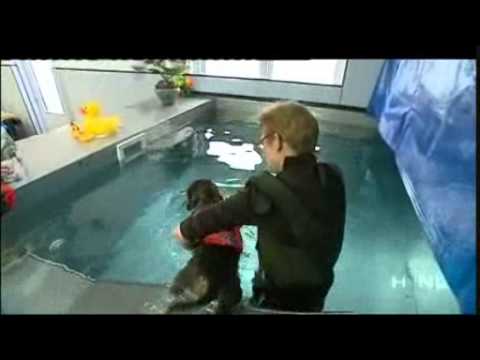
Hondenzwembad en aquatherapie voor revaliderende viervoeters
Elma Bakker; Dogfysion
Co poćwiczysz
A news report about a swimming pool for dogs, with clear narration and sequence words like "Eerst even onder de douche".
De vijf mooiste fietsregio’s van Nederland
Voordeeluitjes.nl
Co poćwiczysz
A top five video about cycling regions, with ordinals like "op nummer vijf" and distances like "vijftienhonderd kilometer".
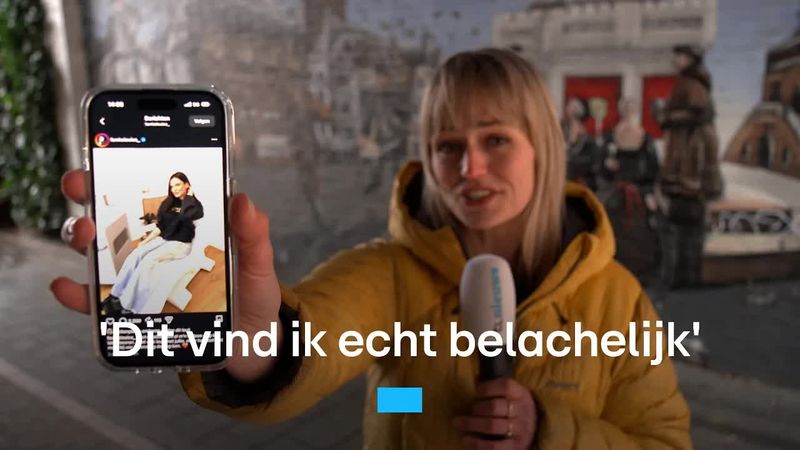
Waarom vieze spijkerbroeken ineens een modetrend zijn
RTL Nieuws
Co poćwiczysz
A news report with street interviews about a jeans trend, including prices like "meer dan 1000 euro".
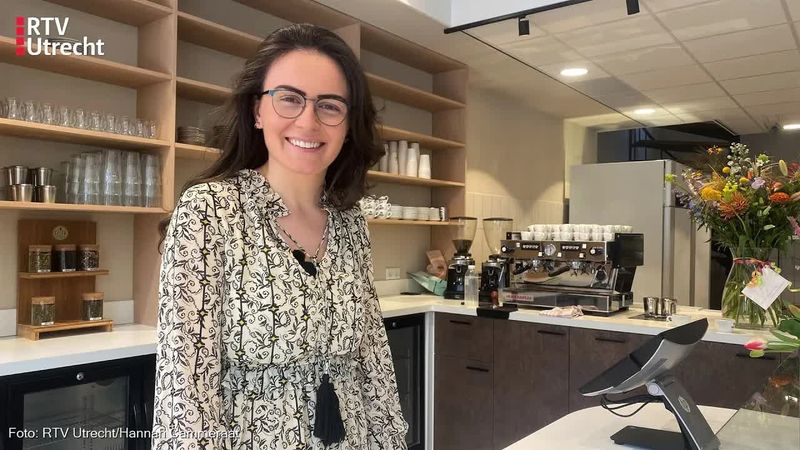
Anna opent haar taartenzaak met Turkse baklava-croissant
RTV Utrecht
Co poćwiczysz
A short news report about opening a cake shop, with the phrase "na een jaar lang hard werken" and the connective "want".
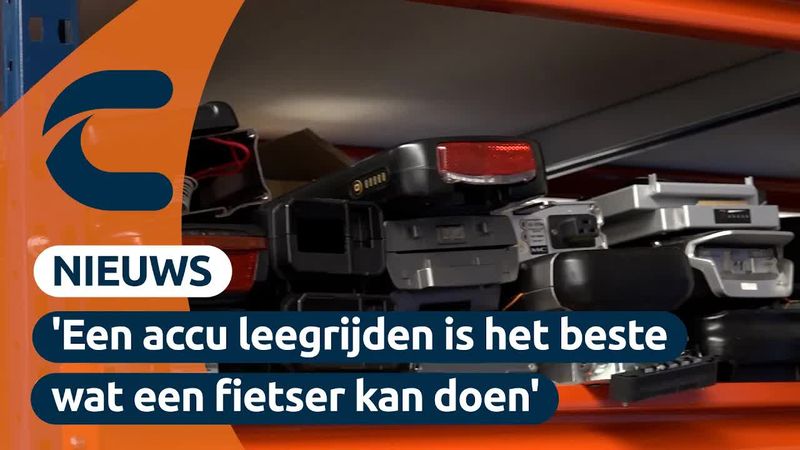
Elektrische fietsen, accu’s opladen en laadpunten bij horeca
Connect
Co poćwiczysz
A news report about charging e-bike batteries, with numbers like "vier komma twee miljoen" and advice built on "want" and "toch".
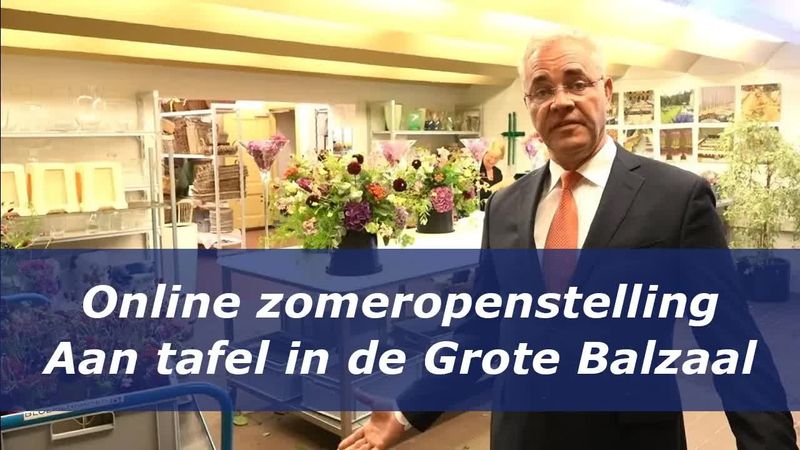
Rondleiding: aan tafel in de grote balzaal
Koninklijk Huis
Co poćwiczysz
A palace tour of a grand ballroom, with "vroeger" and "tegenwoordig" comparing candles then and led light now.
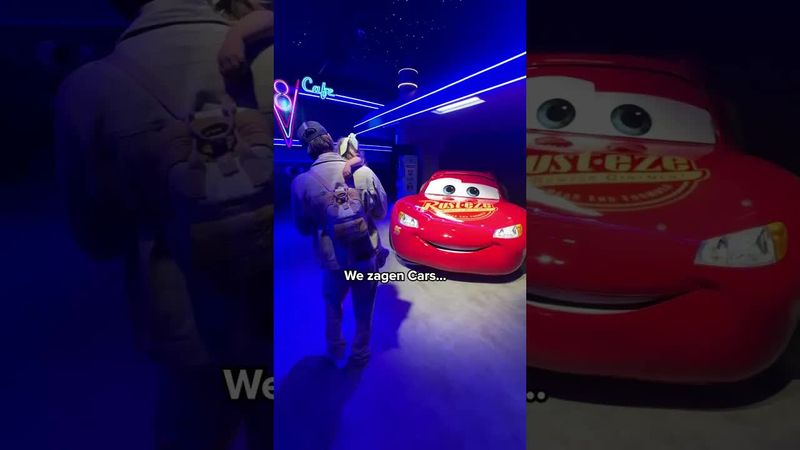
Dagje naar een Pixar tentoonstelling in Brussel
Dylan Haegens Shorts
Co poćwiczysz
A vlog about visiting a Pixar exhibition in Brussels, with an honest review using "maar" and "dus" to weigh pros and cons.
De kern van de Nederlandse cultuur
Easy Dutch
Co poćwiczysz
A calm explainer about Dutch culture and daily habits, with clear opinion links like "juist" and "maar" in every section.
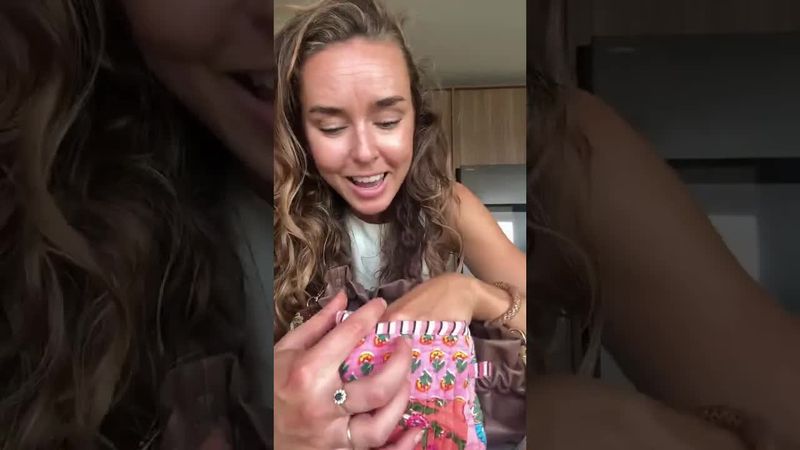
Wat zit er in mijn Lowlands tas?
veggilaine
Co poćwiczysz
A vlog showing every item packed for a festival, with "allereerst" and "het allerbelangrijkste" ordering the concrete everyday objects.
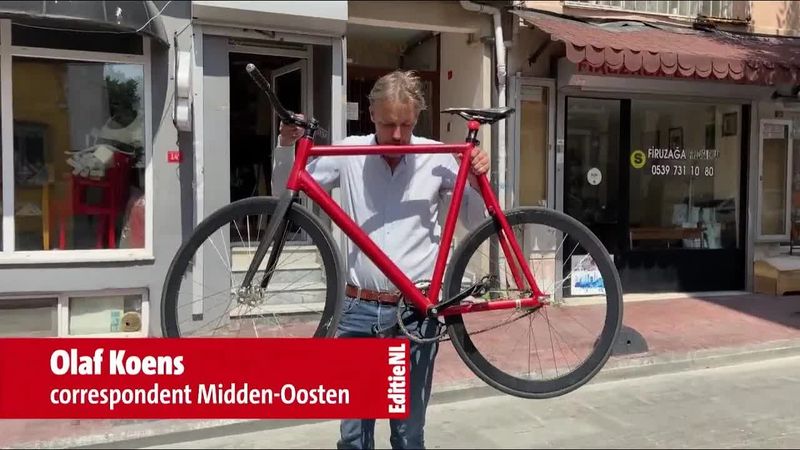
Hoe Nederland zijn fietskennis met de wereld deelt
Olaf Koens
Co poćwiczysz
A news explainer about Dutch cycling knowledge going abroad, full of numbers like "vijftien miljard kilometer" and the connective "omdat".
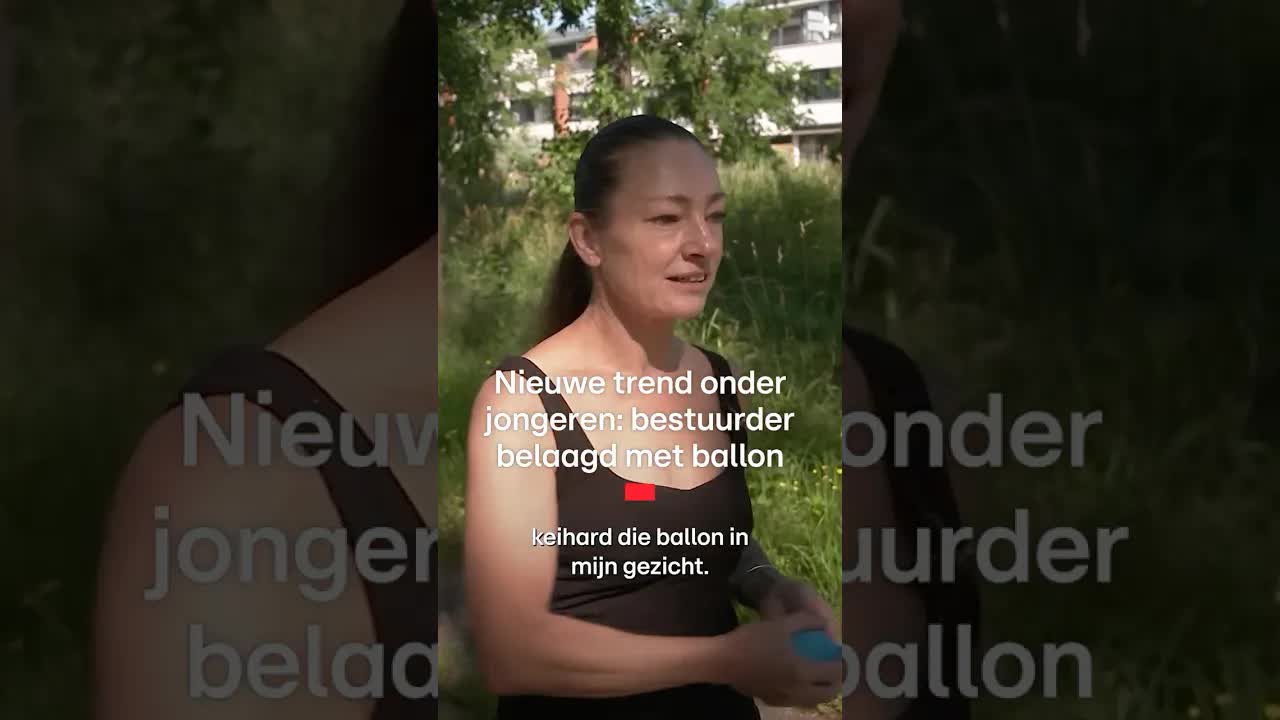
Jongeren gooien waterballon naar rijdende auto
EditieNL
Co poćwiczysz
A news item about a dangerous waterballon thrown at a car, with past tense storytelling using "toen" and "dus".
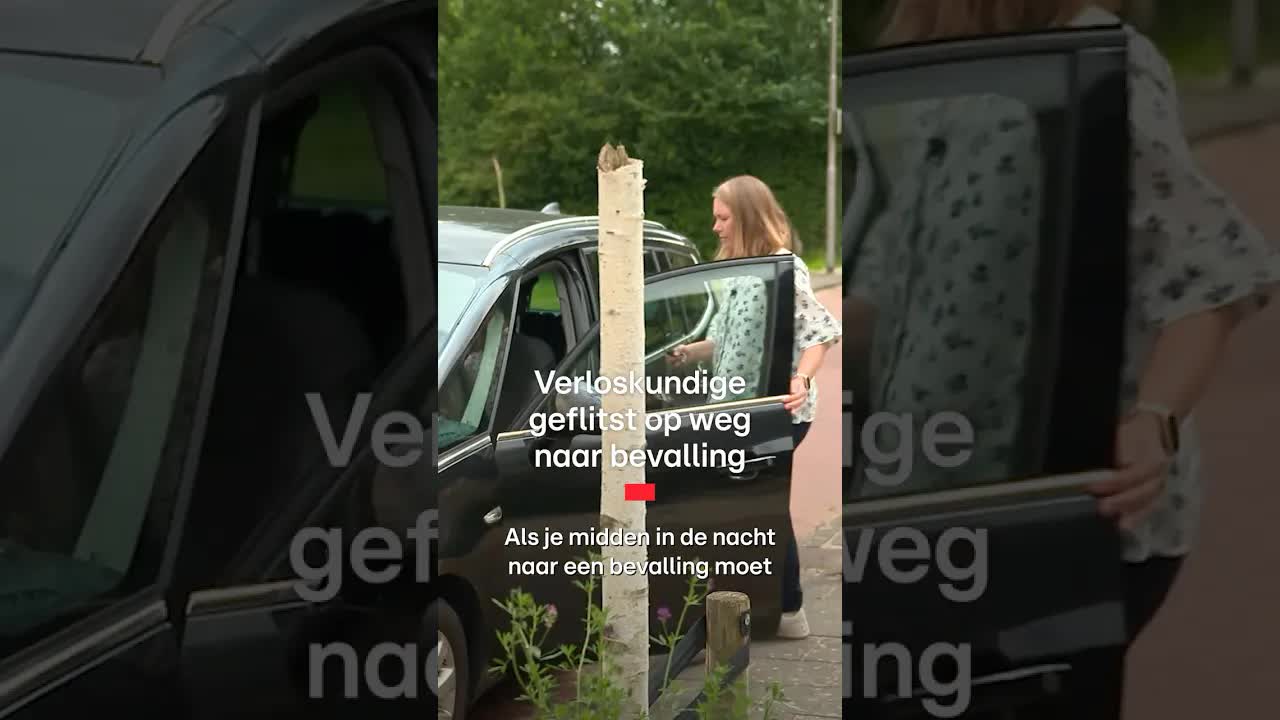
Verloskundige geflitst op weg naar bevalling
EditieNL
Co poćwiczysz
A news item about a midwife fined for speeding, with numbers like "39 waar ze 30 mocht" and the connective "dus".
Koningsdag en thuiswerken in coronatijd
Bertine Muller Presenteert
Co poćwiczysz
A daily life vlog about working from home during corona, using "eigenlijk" and time phrases like "elke dag".
Dieren opzetten als hobby: cursus taxidermie bij Sanne
RTL Nieuws
Co poćwiczysz
A news report about a taxidermy hobby course, using "steeds meer" to describe how interest in it grows.
Angst in flat na politie-inval en zoektocht naar schutter
Hart van Nederland
Co poćwiczysz
A news report where neighbours react to a police search in their flat, using "toch" and "omdat" to explain their fear.
Leven als brus: Thekla en haar broer Jonas
NOS Jeugdjournaal
Co poćwiczysz
A youth news report about living with a disabled brother, with everyday phrases like "best wel" and "lastiger".
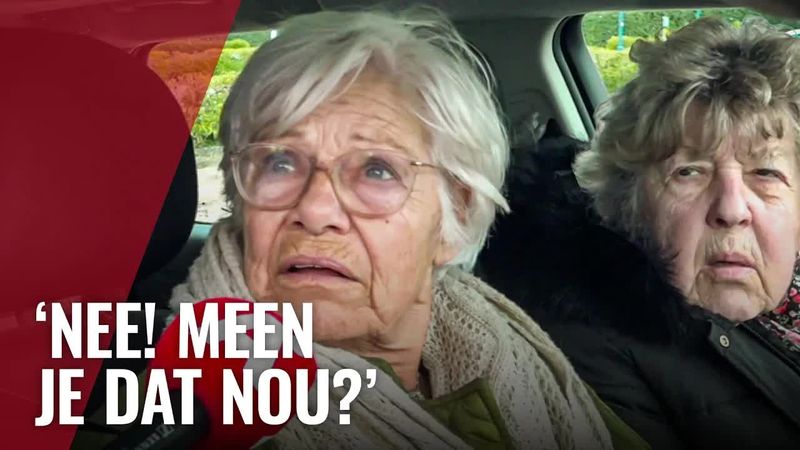
Osdorpers reageren op vertrek van hun tuincentrum
AT5
Co poćwiczysz
Local people give opinions about their garden centre closing, a street interview with "jammer" and "te duur" in real reactions.
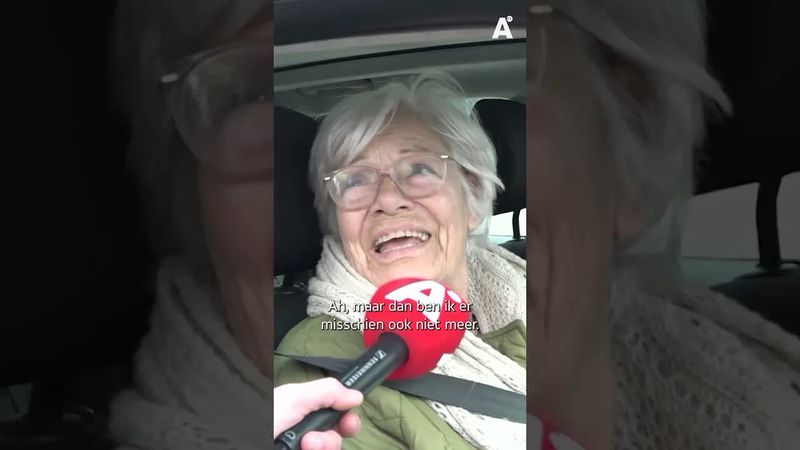
Buurtbewoners reageren op vertrek tuincentrum Osdorp
AT5
Co poćwiczysz
Street interviews about a garden centre leaving the neighbourhood, with opinions using "jammer" and "omdat het veel te duur is".
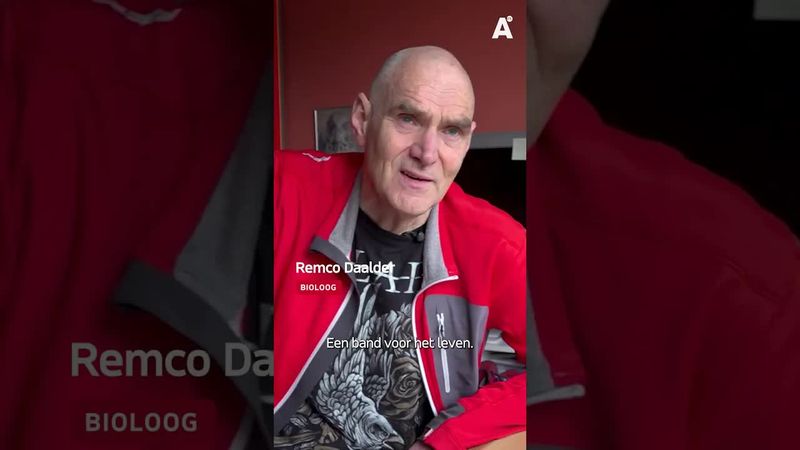
Rouwende kroonkraanvogel na dodelijk ongeluk op de A2
AT5
Co poćwiczysz
A news report about a mourning crane after a road accident, with clear narration and the phrase "band voor het leven".
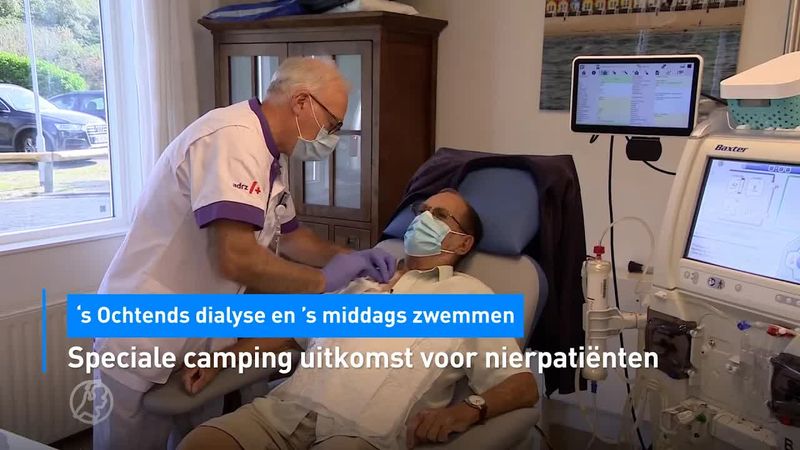
Vakantiedialyse op camping geeft nierpatiënten vakantiegevoel
Hart van Nederland
Co poćwiczysz
A news report about dialysis at a holiday park, where patients describe the calm with words like "vakantiegevoel".
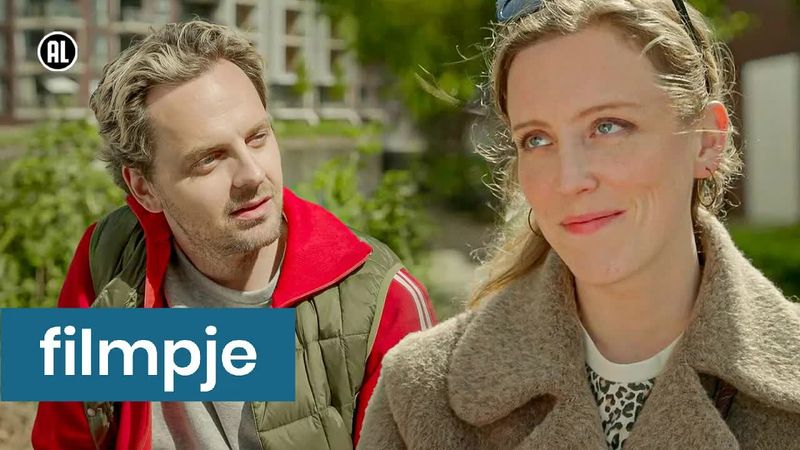
Een monument voor doodnormale maar bijzondere dagen
Het Klokhuis
Co poćwiczysz
A staged conversation between two friends about everyday special moments, using "eigenlijk" and the time "half zes".
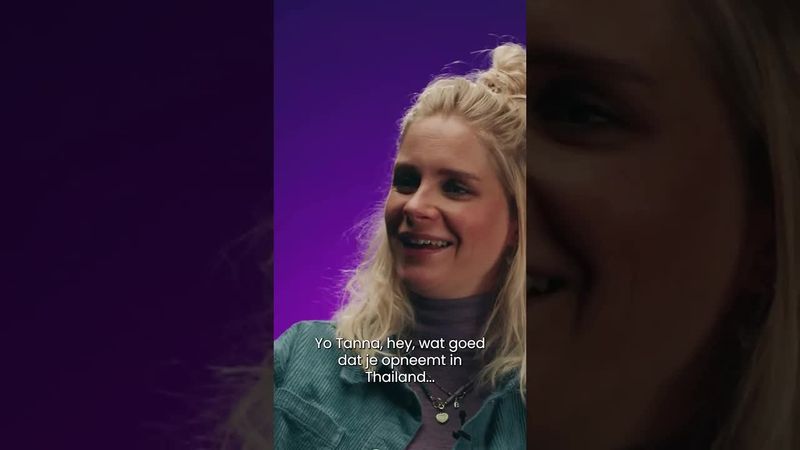
Mag AI zomaar jouw stem namaken?
Het Klokhuis
Co poćwiczysz
A short acted scene about AI copying voices, with natural phone phrases like "wat goed dat je opneemt".
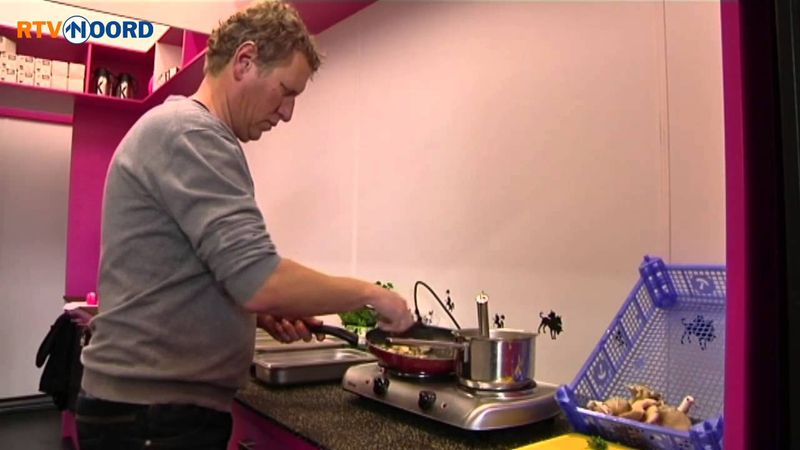
Van koffieprut naar Groningse oesterzwam bitterballen
RTV Noord
Co poćwiczysz
A news report about coffee waste becoming mushroom snacks, with clear steps and amounts like "vierhonderd kilo koffieprut per dag".
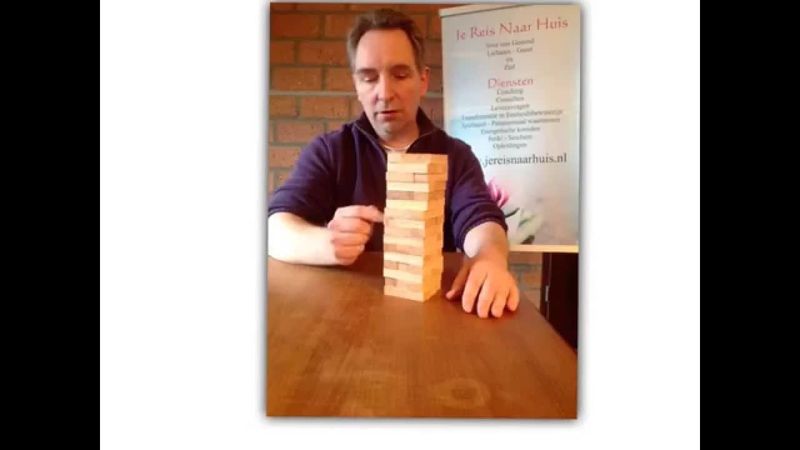
Psychische problemen uitgelegd met een toren van blokjes
Frank Godschalk
Co poćwiczysz
An explainer about mental health uses a block tower demo and the polite "u" form, with the question "Wat is de oplossing hier?"
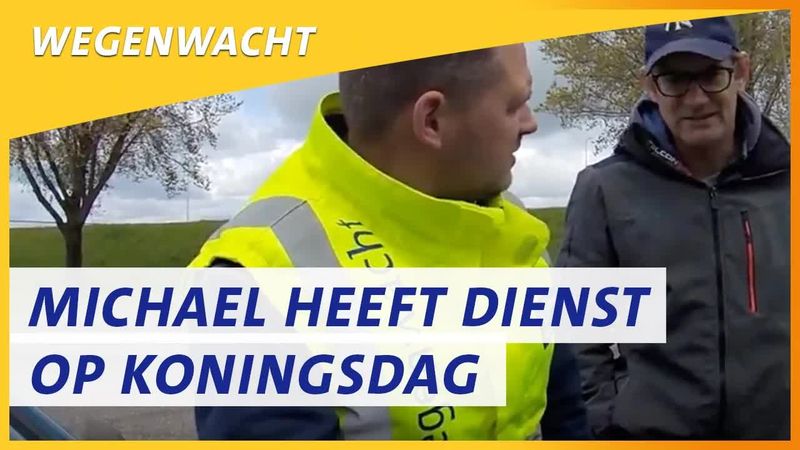
Koningsdagvlog met pechduivel, motorschade en reddende engelen
ANWB
Co poćwiczysz
A vlog about roadside help on Koningsdag, with everyday connectives like "eigenlijk" and "trouwens" while a broken car gets towed.
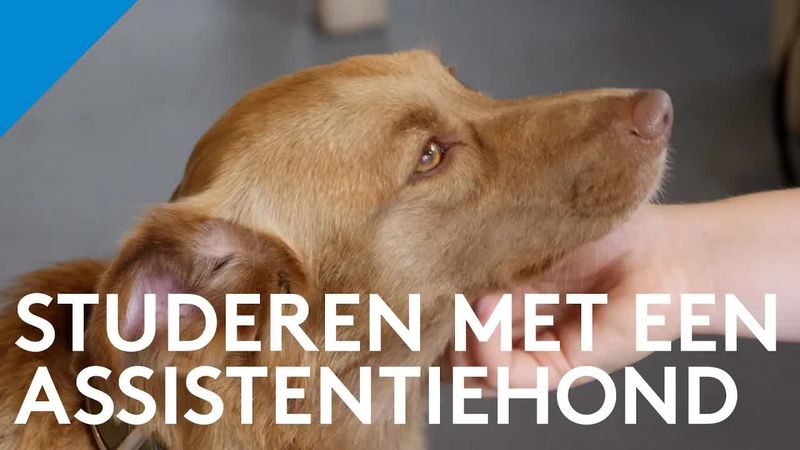
Studeren met een assistentiehond aan de hogeschool
HKU Utrecht
Co poćwiczysz
A student explains in an interview how her assistance dog helps at school, using "want" to give reasons.
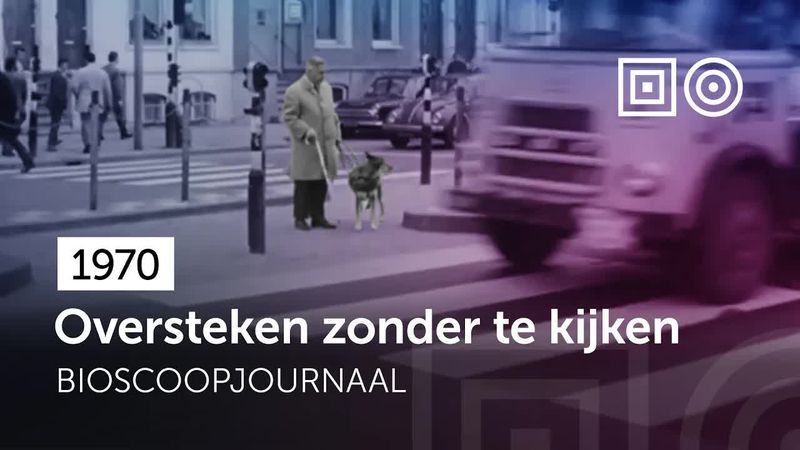
Zebrazoemer helpt blinden veilig oversteken bij verkeerslichten
Nederlands Instituut voor Beeld & Geluid
Co poćwiczysz
An old news report about a buzzer helping blind people cross the road, using "want" and "namelijk" to explain how it works.
Wat koolhydraten doen in je lichaam
Clipphanger
Co poćwiczysz
A short health explainer about koolhydraten in food, naming "suiker, zetmeel en vezels" and what each does in your body.
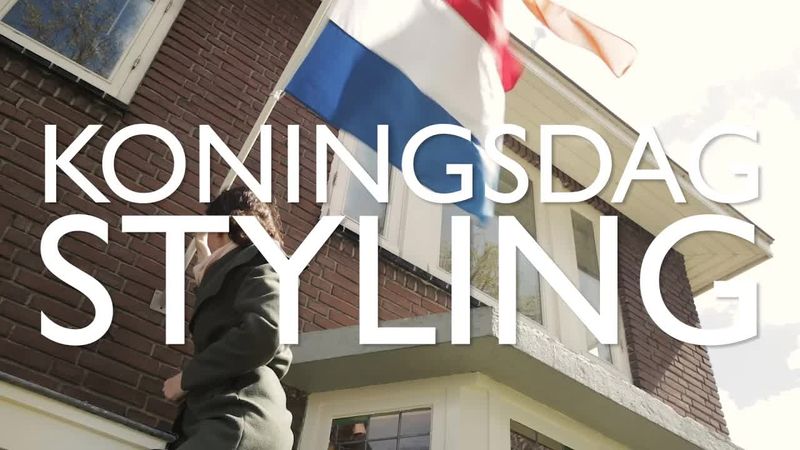
Koningsdag gezellig maken met oranje decoratie
Aline Sietsema
Co poćwiczysz
A home vlog about orange Koningsdag decoration, with "dus" and "want" explaining choices while she shows each item.
Dikke huisdieren op dieet bij de dierenarts
Dierenziekenhuis Eindhoven - Dierenarts Eindhoven
Co poćwiczysz
A news report about pets on a diet at the vet, with percentages like "zevenenzestig procent" and simple health advice.
De Brielse maskerade als eeuwenoude traditie uitgelegd
Rijnmond
Co poćwiczysz
A news report about a masked town tradition, with reasons using "omdat" and numbers like "zeshonderd jaar".
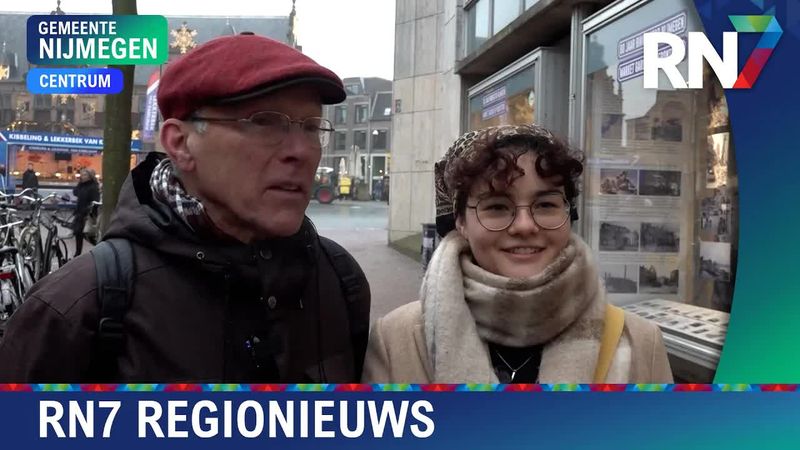
Taalmaatjes in Nijmegen: samen Nederlands en cultuur leren
RN7
Co poćwiczysz
A news report about language buddies in Nijmegen, with the everyday question "Hoe was je week?" and the connective "daarom".

10 tips om later een baan te vinden
Meester Jesper
Co poćwiczysz
A teacher explains in ten tips how to find a job, with work words like "vacature", "salaris" and "solliciteren".
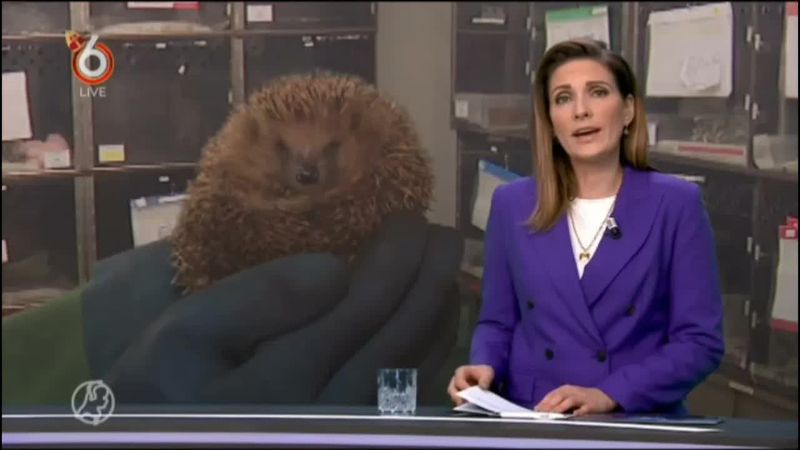
Egels in de opvang en hoe je ze helpt
Egelopvang Zoetermeer
Co poćwiczysz
A report from a hedgehog shelter, with numbers like "zeshonderd egels" and advice using "bijvoorbeeld" about helping animals.
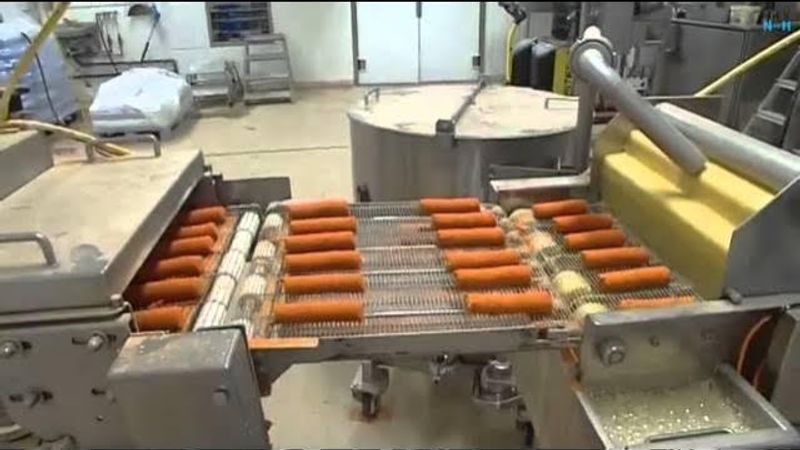
Kroketten proeven in de Amsterdamse snackbar
NH Nieuws
Co poćwiczysz
An interview in a snackbar about making kroketten, with tasting talk and numbers like "vijftien procent rundvlees".
Een zondag bij Fort Altena: ontdek de waterlinie
Belevingsvlog
Co poćwiczysz
A tour of an old fort with clear history facts, dates like "achttien zevenenveertig" and reasons to visit.
over een nieuw bed en een nieuw huis dromen
RTL
Co poćwiczysz
A calm conversation about wishes for a new home, practising polite requests like "ik wil heel graag een nieuw bed".
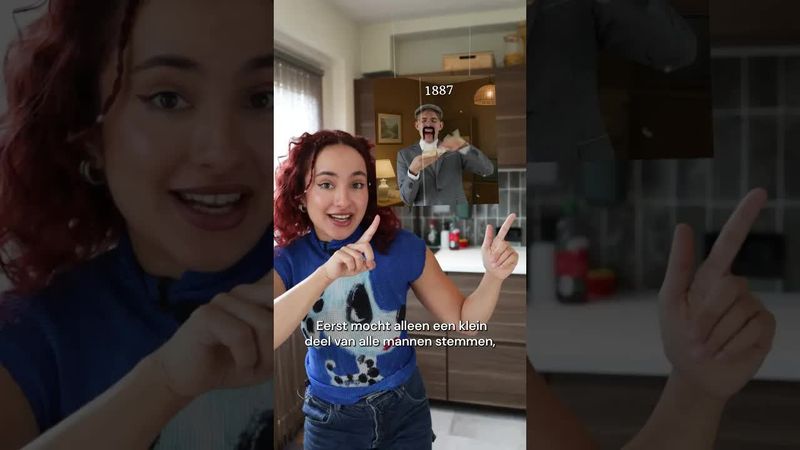
Moeten jongeren al vanaf 16 jaar mogen stemmen?
NPO Zapp
Co poćwiczysz
An explainer asking if teenagers should vote from "16", with years like "19 72" and the connective "namelijk".
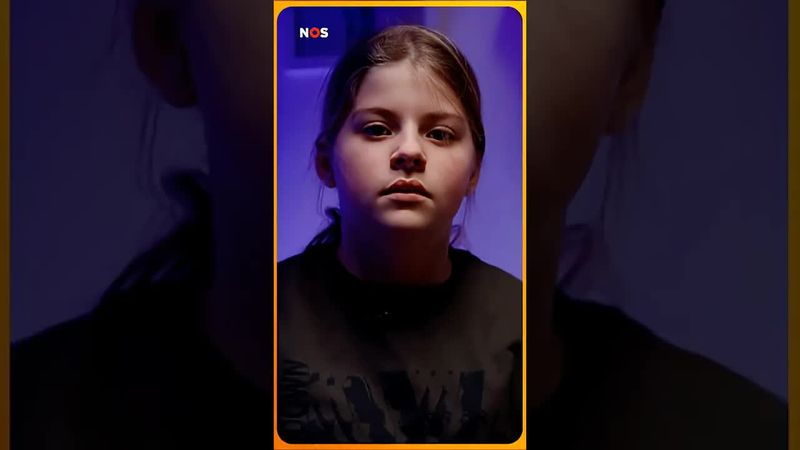
Renée vertelt over pesten, bedreiging en jezelf blijven
NOS Jeugdjournaal
Co poćwiczysz
An interview where a twelve year old describes school bullying, linking events with "toen" and "want" and giving simple advice.
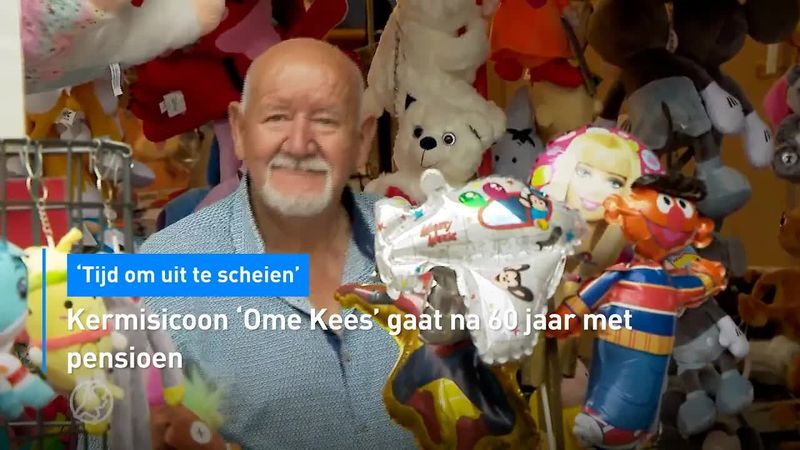
Ome Kees stopt na zestig jaar met de kermis
Hart van Nederland
Co poćwiczysz
A short interview about stopping work after sixty years, with polite questions like "Wat gaat u dan nu doen".
Twijfel tussen Assen en Haren bij huis kopen
RTL
Co poćwiczysz
A house hunting conversation about choosing between two towns, with opinion phrases like "ik neig wel heel erg naar haren".
Pratende koffiezetapparaten en hoe we met machines omgaan
Brainwash
Co poćwiczysz
A presentation about talking coffee machines with a live demo, using the phrase "het ligt eigenlijk voor de hand".
Hoe Almere veranderde van water naar stad
Clipphanger
Co poćwiczysz
A history explainer about how Almere grew from water into a city, with numbers like "200.000 inwoners" and dates.
Over bevalling, eerste weken en trots moederschap
Heuvelland Vandaag
Co poćwiczysz
An interview with a new mother about the birth and first weeks, using "eigenlijk" and "supertrots" naturally.

Normen, waarden en beleefdheid in verschillende culturen
Mr. T's History
Co poćwiczysz
An explainer about norms and values in different cultures, with examples introduced by "bijvoorbeeld" and contrasts made with "terwijl".
Wat zijn normen en waarden?
Clipphanger
Co poćwiczysz
An animated explainer about norms and values in society, with example sentences that use "terwijl" to compare cultures.
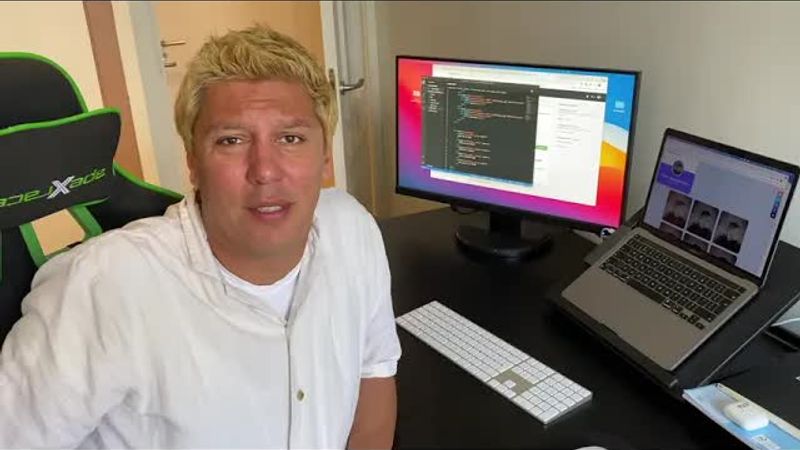
Studeren in coronatijd en omscholen naar ict
TechMeUp
Co poćwiczysz
A vlog about studying ICT next to a job, where "Daarom" introduces why she now works three days a week.
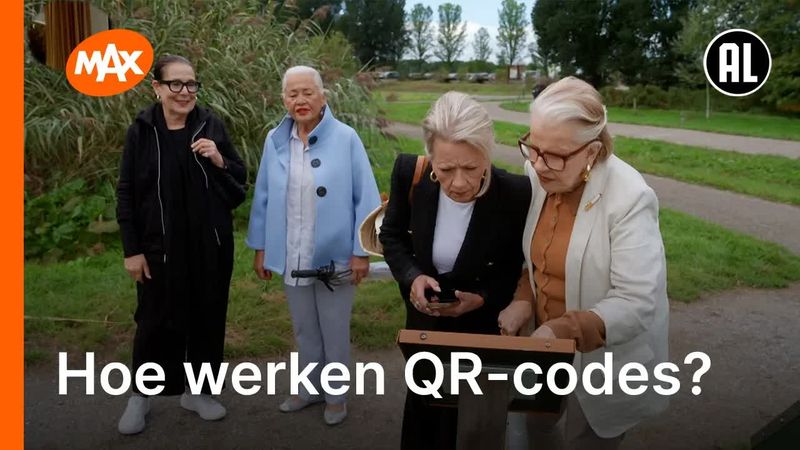
Oma’s ontdekken QR-codes tijdens een boswandeling
Omroep MAX
Co poćwiczysz
A conversation during a forest walk where older women scan a "QR-code" and ask how it works, using "eigenlijk".
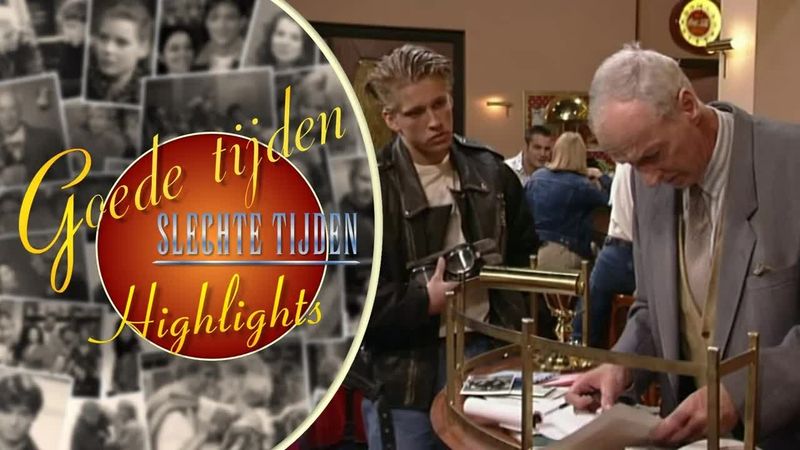
Sollicitatiegesprek voor een baantje als afwashulp
GTST Highlights
Co poćwiczysz
A soap scene of a job interview for a dishwasher job, with words like "ervaring", "referenties" and "beter te vroeg dan te laat".
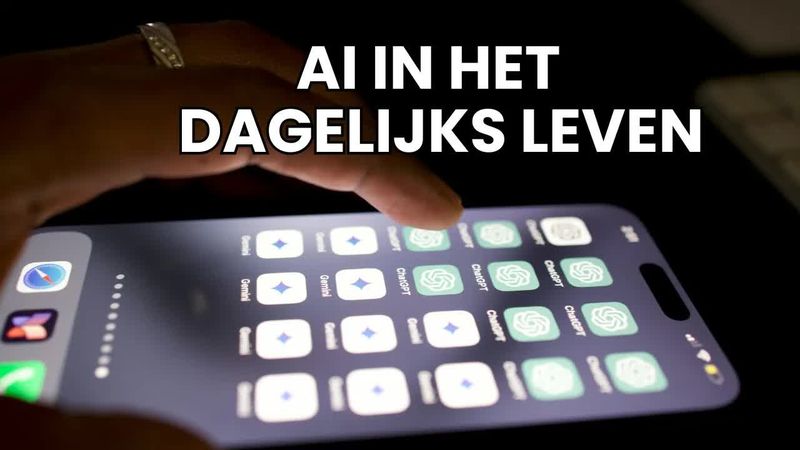
Hoe AI je dagelijks leven ongemerkt beïnvloed
De Wereld Van AI
Co poćwiczysz
An explainer about AI in everyday routines, from phones to shopping, using "bijvoorbeeld" and "zoals" to introduce clear examples.
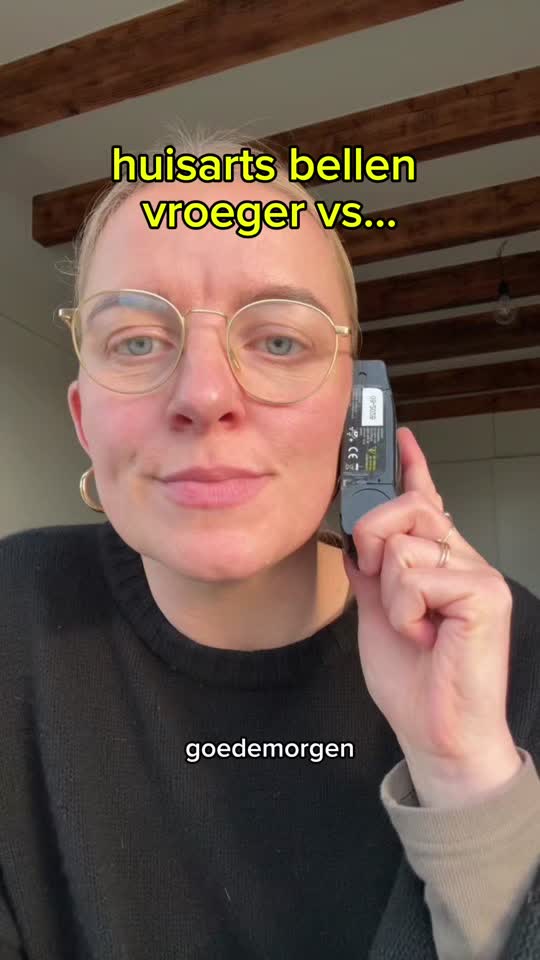
Satirische sketch over bellen met de huisartspraktijk
fleur.overgaag
Co poćwiczysz
A satirical sketch about phoning the doctor, packed with real phrases like "een afspraak maken" and "kies 1 voor openingstijden".
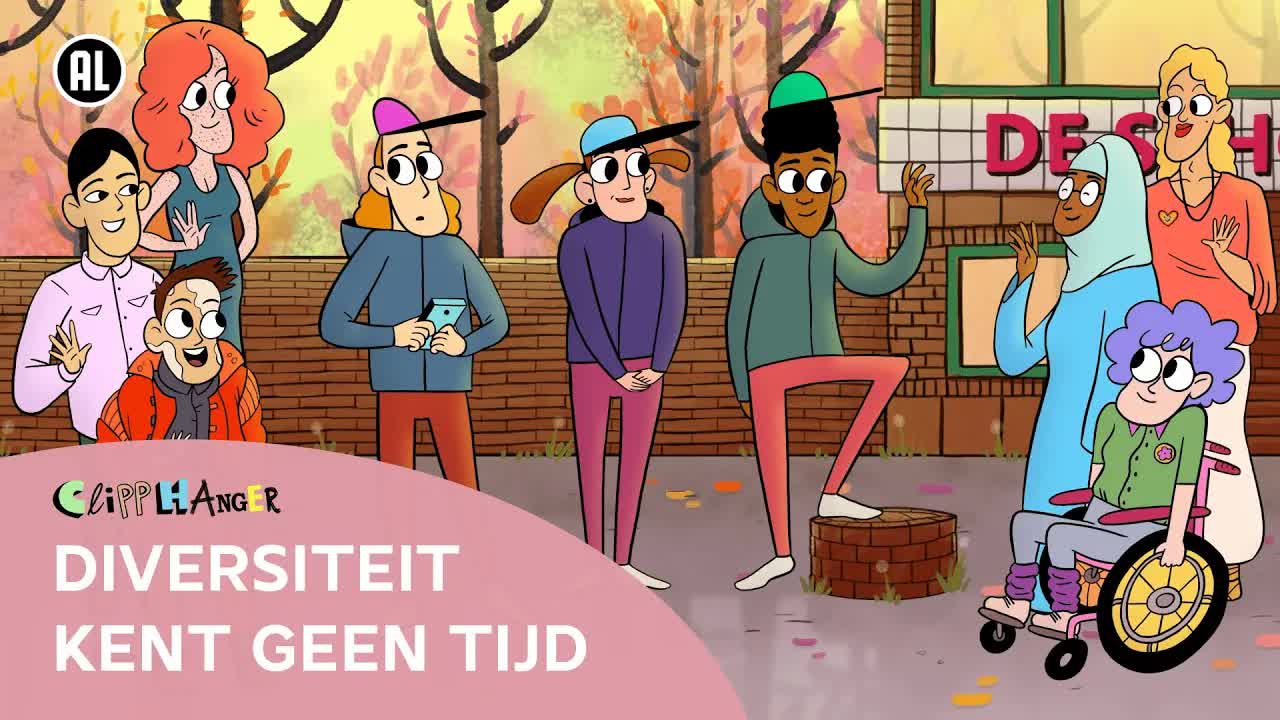
Wat diversiteit is en waarom het belangrijk is
Clipphanger
Co poćwiczysz
A short explainer about diversiteit in society, giving reasons with "daarom" and "toch" in clear standard Dutch.
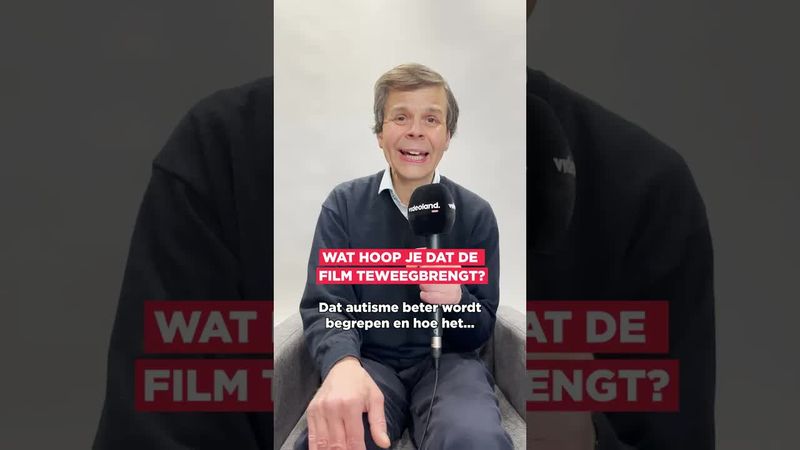
Kees vertelt over zijn documentaire en zelfstandig wonen
Videoland
Co poćwiczysz
A calm interview in a photo studio where Kees talks about his documentary and living alone, using "want" and "doordat".
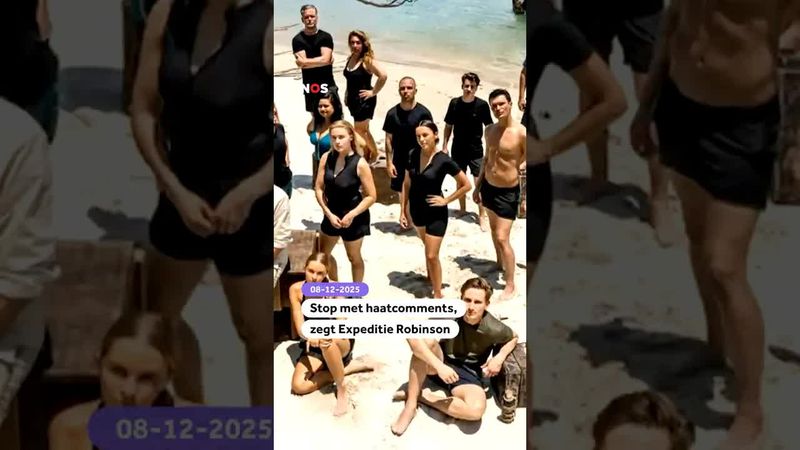
Expeditie Robinson reageert op online haat tegen deelnemers
NOS Stories
Co poćwiczysz
A short news item about online hate around a TV show, with opinions explained using "want" and "natuurlijk".
Hoe we ons droomhuis in Zweden hebben gekocht
Nikee Sacha
Co poćwiczysz
A vlog about buying a house in Sweden, telling the steps in order with "eerst", "toen" and "de volgende dag".
Wat maakt jou gelukkig? Straatinterviews in Nederland
Easy Languages
Co poćwiczysz
Street interviews asking "wat maakt jou gelukkig?", with many people giving short everyday answers about "vrienden" and "familie".
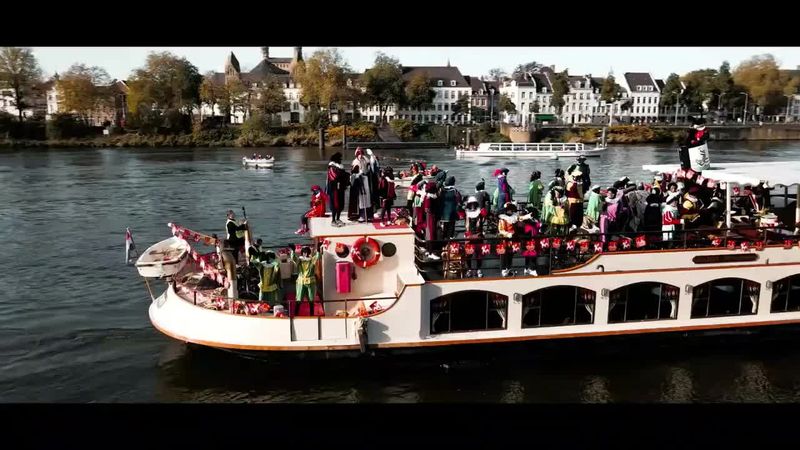
Sinterklaas in Maastricht: op de boot tussen de kinderen
MST film productions
Co poćwiczysz
A video of Sinterklaas arriving by boat in Maastricht, with lively small talk like "Vind je het gezellig".
Fietsen langs de nieuwe Hollandse waterlinie
Fietsvlogger | Slow Miles & Bike Travel
Co poćwiczysz
A cycling tour vlog along old Dutch forts, with numbers like "45 in totaal" and "3 dagen".
Toch gezakt op mijn eindexamen wiskunde
Amber Dokter
Co poćwiczysz
A vlog about failing a school exam, with grades like "5,6" and the time phrase "8 jaar geleden".
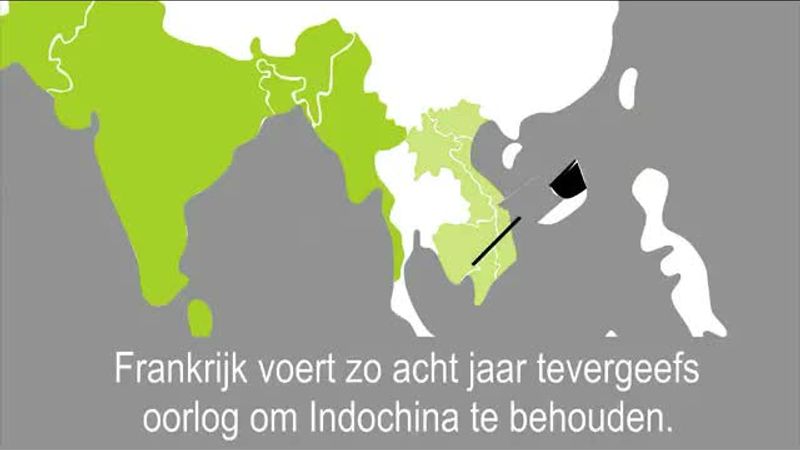
Uitleg over de dekolonisatie na de Tweede Wereldoorlog
Martin
Co poćwiczysz
A short history explainer about decolonisation, full of years like "19 45" and countries that became independent.
Flitspaal afgeplakt na 10.000 boetes
Omroep Gelderland
Co poćwiczysz
A regional news report about a sabotaged speed camera, with big numbers like "13000 verkeersovertredingen" in short interviews.
Koningsdag op pad met de ANWB Wegenwacht
ANWB
Co poćwiczysz
A vlog of a roadside mechanic working on "koningsdag", using "dus" and "want" to explain a breakdown in a parking garage.
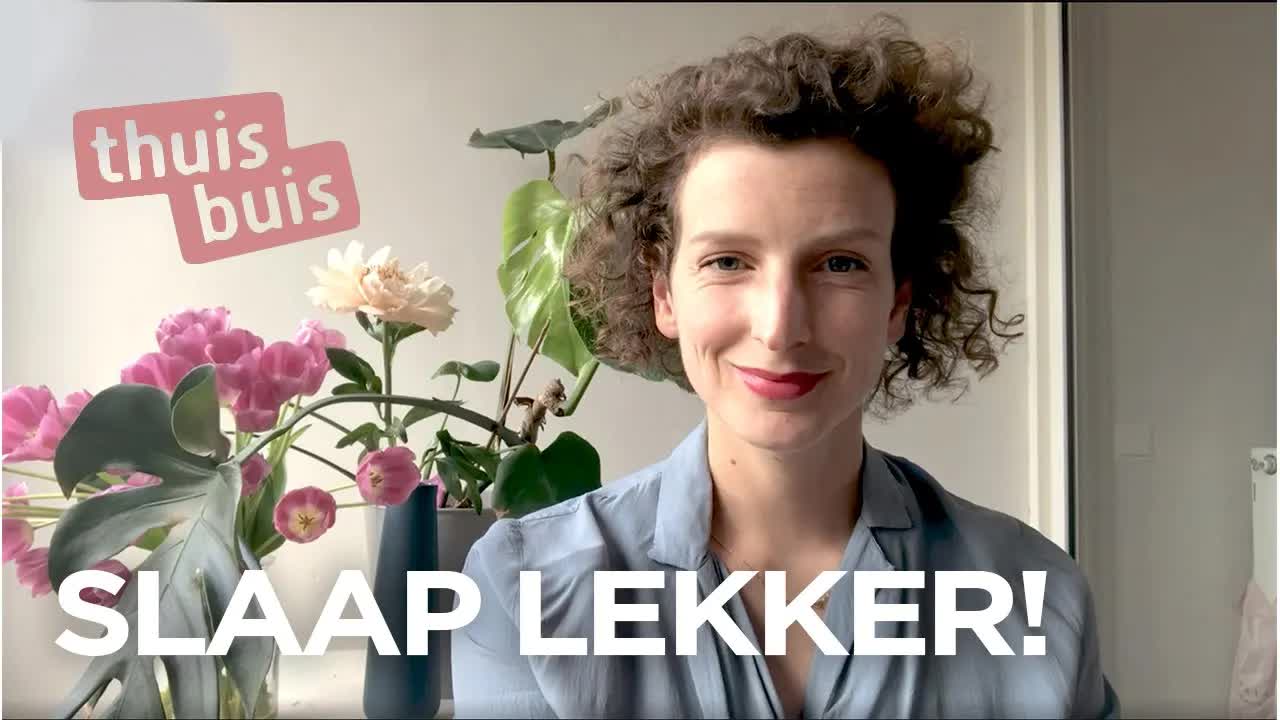
Tips van een psycholoog voor betere slaap
Thuisbuis
Co poćwiczysz
A psychologist explains how to sleep better, with question forms like "Hoe laat ga ik naar bed?" and everyday examples.
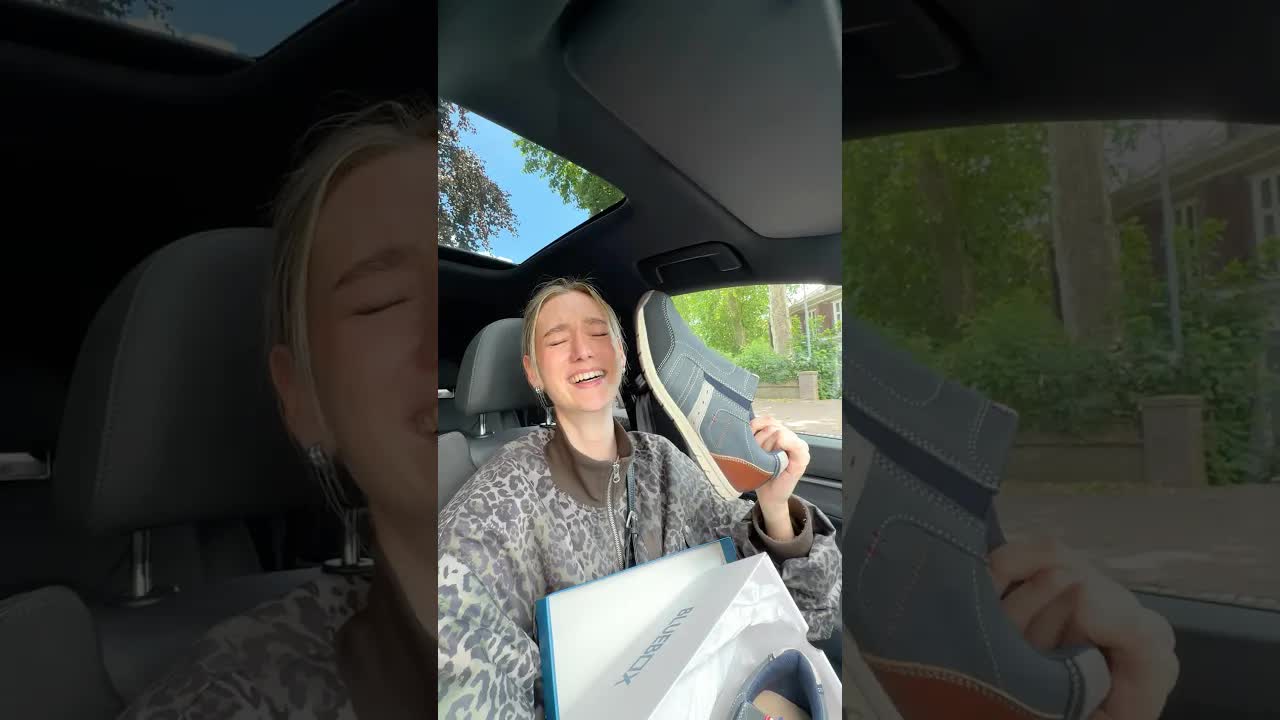
Lelijke schoenen gekocht voor Sam
maximeandsophie
Co poćwiczysz
A shopping vlog about buying cheap shoes, with prices like "€40" and "van 35 naar 30" in casual conversation.
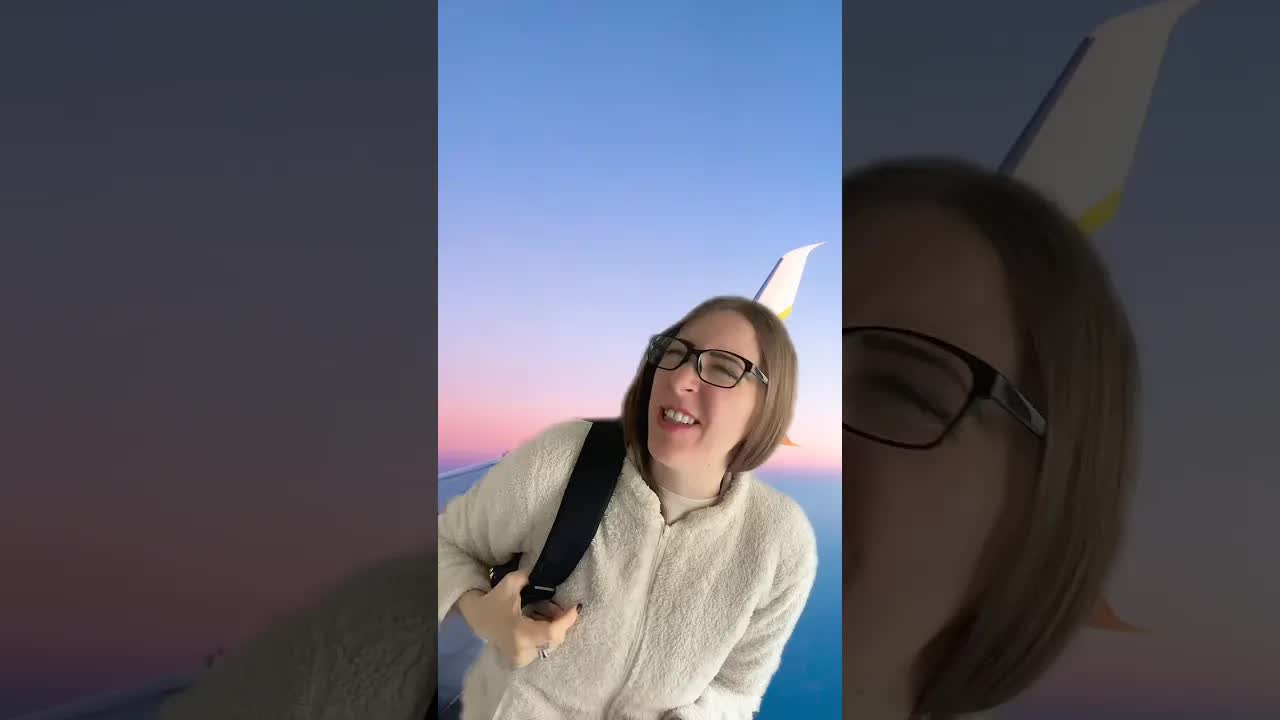
Wanneer er één parachute te weinig is
JennaMinniee
Co poćwiczysz
A comedy sketch on a plane where passengers argue over parachutes, each giving a reason introduced with "dus".
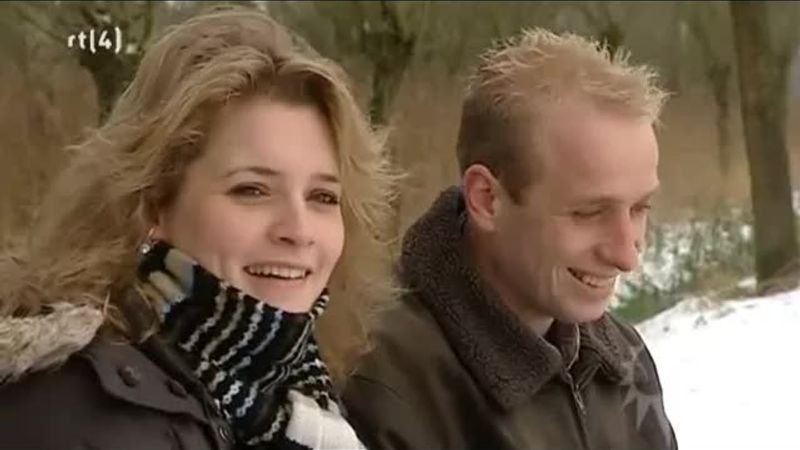
Boer zoekt vrouw: hoe vieren de stellen kerst?
NLvideogroup
Co poćwiczysz
A TV report about farming couples planning Christmas, with time phrases like "1 keer in de week" and "tweede kerstdag".
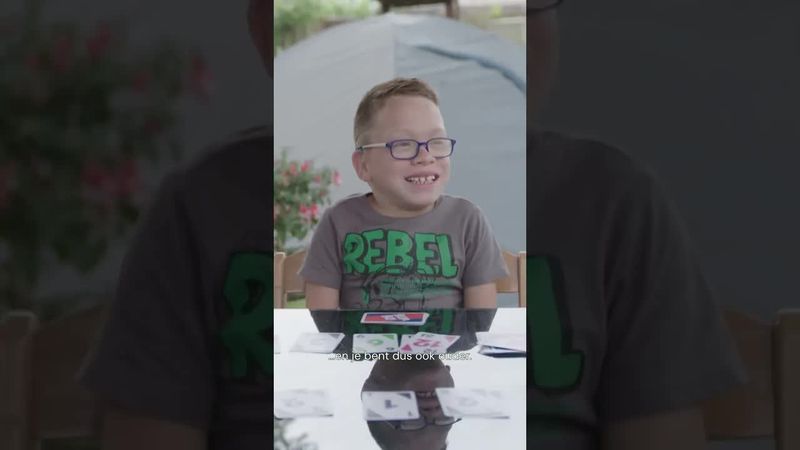
Tweelingbroers, lengteverschil en samen spelen met beperkingen
NPO Zapp
Co poćwiczysz
An interview with twin brothers playing a card game, talking about height difference and rules with "omdat".
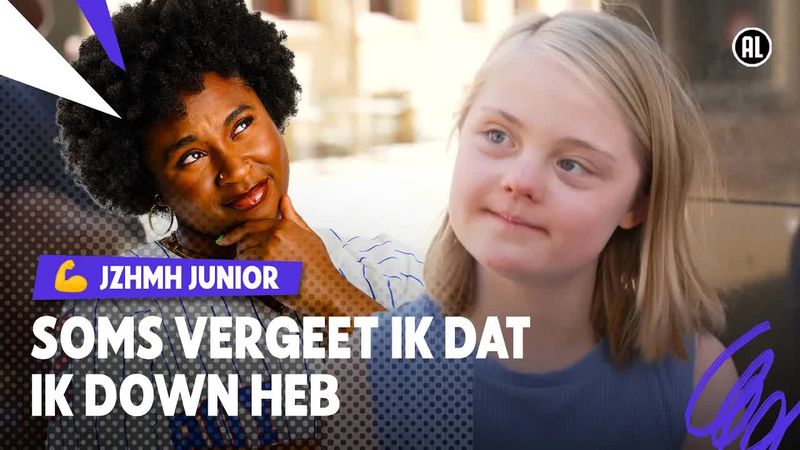
Leven met het syndroom van Down en vriendschap
NPO Zapp
Co poćwiczysz
A classroom video where a girl explains Down syndrome in her "spreekbeurt", with quiz questions and the word "eigenlijk".
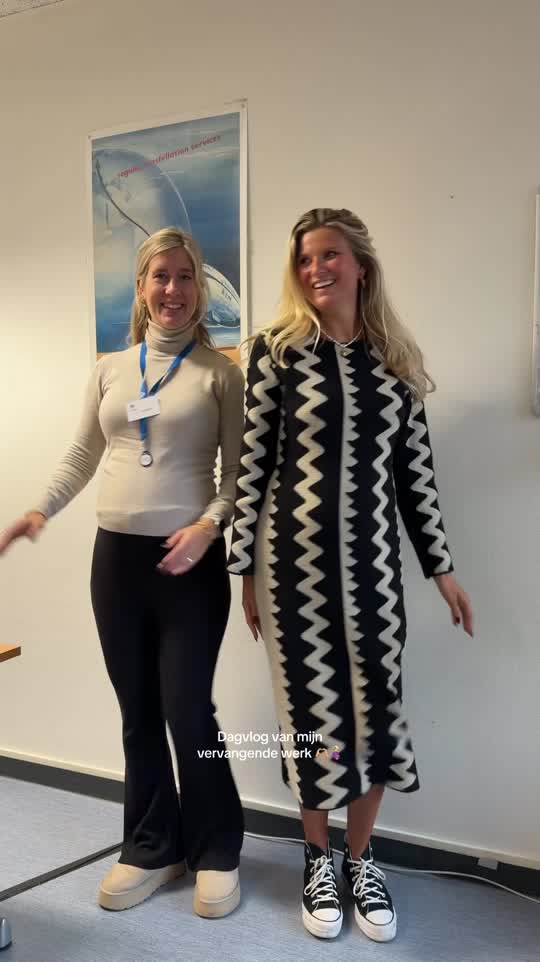
Zwanger werken bij Laurens: een dagje mee
Esther Sturrus | Mom of Luna
Co poćwiczysz
A work vlog from a care home party day, using "namelijk" to explain what the team is celebrating.
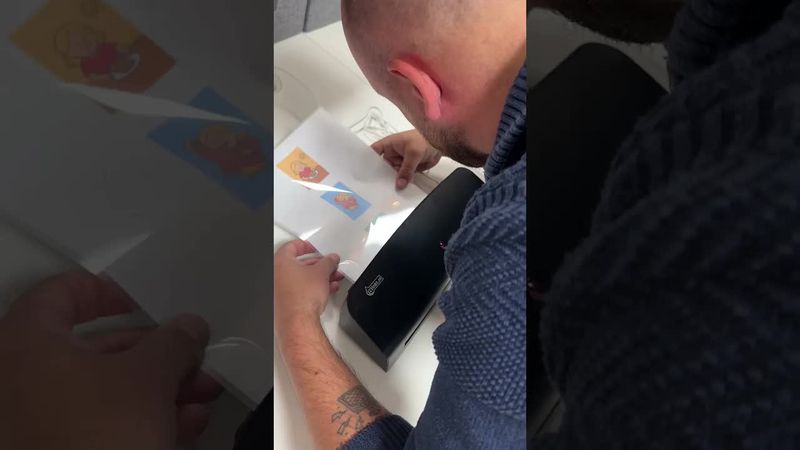
Met 3D-printer een speelse to-do lijst voor Nami
Dylan Haegens Shorts
Co poćwiczysz
A father shows a 3D printed task list for his toddler, with daily routines like "tanden poetsen" and the connective "dus".
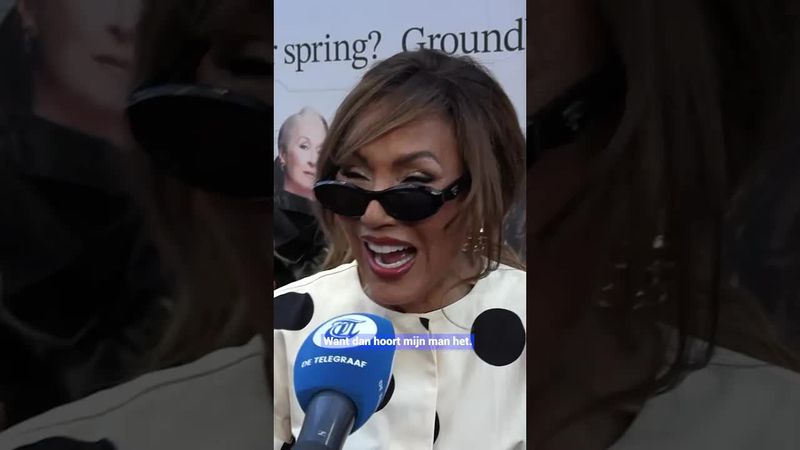
BN’ers over hun duurste kledingstukken op de rode loper
De Telegraaf
Co poćwiczysz
Red carpet interviews about clothes and prices, with amounts like "3 euro 40" and "3000 euro" in quick everyday questions.
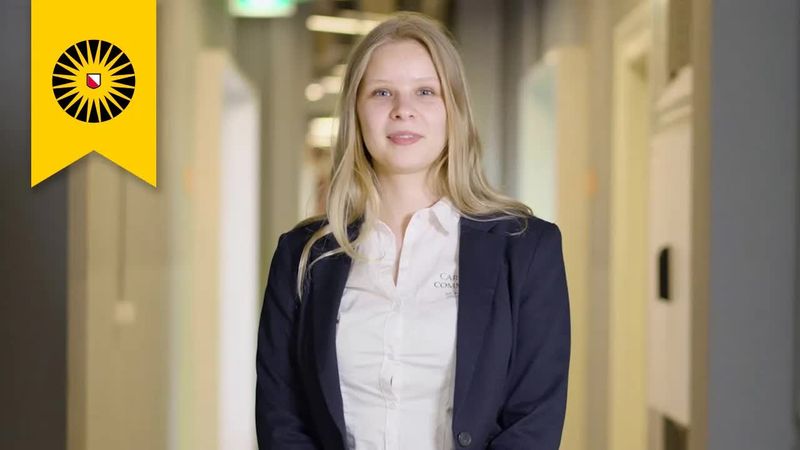
Lisa ontmoet haar commissiegenoten weer bij Perikles
Utrecht University
Co poćwiczysz
A student talks about her university committee and meeting friends again, with fillers like "gewoon" and "toch" you hear constantly in real speech.
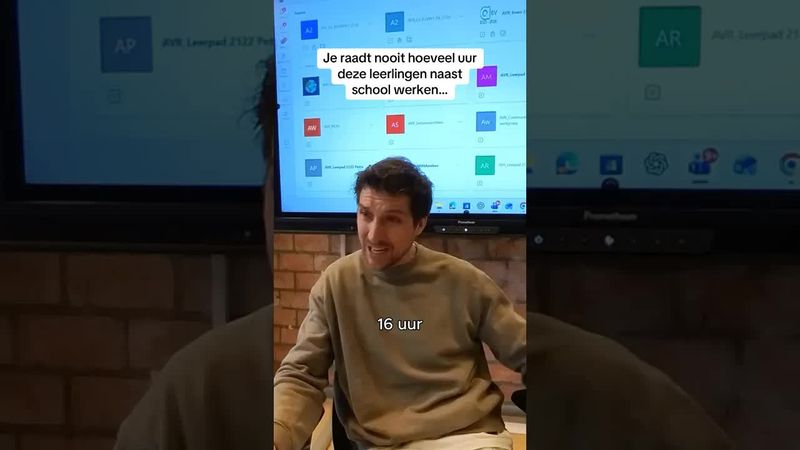
Overwerken, sparen voor je rijbewijs en toch genieten
Aardrijkskunde Kennisclips
Co poćwiczysz
Street interviews where young people talk about work hours and saving, with numbers like "zestien uur" and "twintig uur".
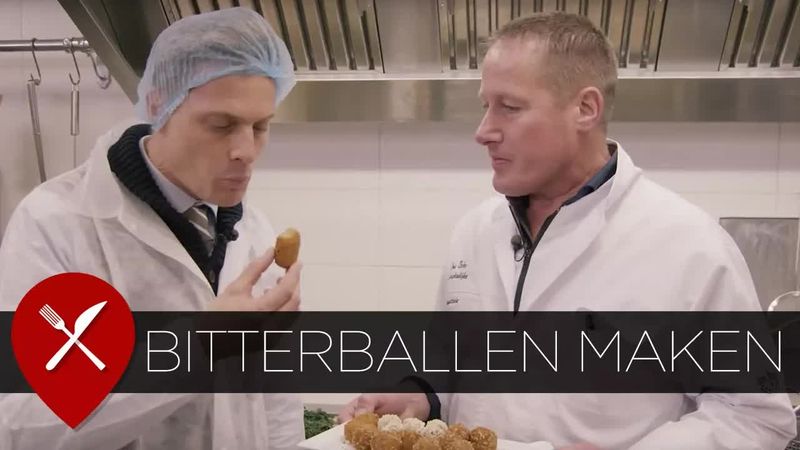
In de proefkeuken: bijzondere kroketten en bitterballen proeven
Nederland Proeft
Co poćwiczysz
A kitchen visit about making bitterballen, following the steps with "eerst" and "dan" and questions like "Wat gebeurt er dan?".
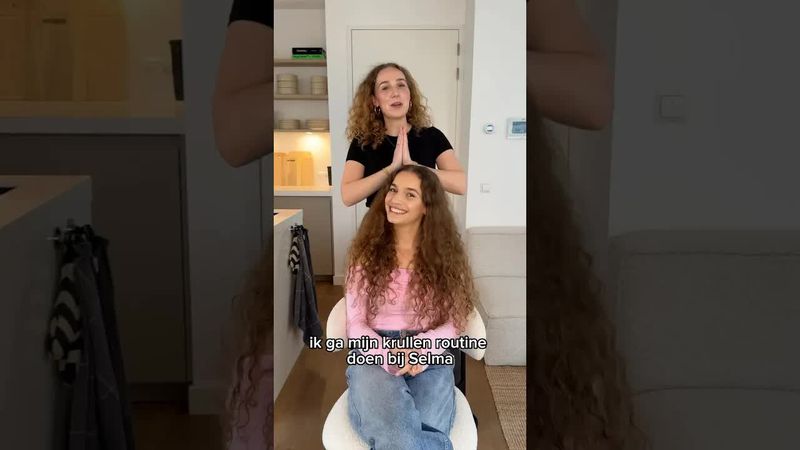
Krullen stylen met gel, diffuser en brush coiling
Dafne Muilwijk
Co poćwiczysz
A hair styling how to with clear steps ordered by "als eerst" and "daarna", spoken quite fast.
Test
Jak wygląda test ze słuchania na poziomie B1?
Egzamin ze słuchania (Luisteren) trwa 90 minut i ma około 40 pytań wielokrotnego wyboru do 5 lub więcej tekstów. Każde pytanie ma 3 lub 4 opcje, z których tylko jedna jest prawidłowa. Programma I i Programma II mają ten sam format, różni je tylko poziom niderlandzkiego. Oto co cię czeka:
Fragmenty audio
Krótkie nagrania o sytuacjach w pracy, podczas nauki i w życiu codziennym, na przykład rozmowy, instrukcje i krótkie wypowiedzi.
Raz
Fragmenty wideo
Od 1 do 3 fragmentów to krótkie klipy filmowe (filmpjes), każdy z własnym pytaniem.
Raz
Każdy fragment odtwarzany jest raz. Nagranie zaczyna się samo i nie możesz go zatrzymać ani odtworzyć jeszcze raz.
Masz około 25 sekund, żeby przeczytać pytanie i opcje odpowiedzi, zanim zacznie się każdy fragment.
Niderlandzki na egzaminie to standardowy niderlandzki z Holandii, w normalnym, codziennym tempie. Wielu uczących się to tempo zaskakuje po wolnych nagraniach z podręcznika.
Poziom i słowa
Jaki poziom i ile słów muszę znać?
Słuchanie wymaga dużo mniej słów niż czytanie. Badania pokazują, że około 3000 najczęstszych słów pokrywa mniej więcej 95% zwykłej mowy, a pierwszy tysiąc słów pokrywa większość tego, co mówią ludzie.
Wideo to najłatwiejszy sposób na zrozumienie, bo obraz pomaga zgadnąć znaczenie. Nie potrzebujesz więc bardzo dużego słownictwa. Potrzebujesz najczęstszych słów i dużo ćwiczeń ze słuchania na swoim poziomie.
Oglądaj filmy z wizualnymi wskazówkami, na YouTube albo tutaj, na Reelang.
Na podstawie badań
Nation (2006) About 3,000 common word families cover roughly 95% of everyday spoken English; reading needs far more.
Webb (2021) The most frequent 1,000 words alone cover most of what people say in speech.
Durbahn et al. (2024) Video is easier to understand at a given vocabulary size, because the pictures help you guess.
Jak ćwiczyć
Jak ludzie najczęściej ćwiczą
Nie ma jednego słusznego sposobu. Ludzie łączą różne metody, a darmowy pakiet powyżej pasuje do każdej z nich.
Kurs albo nauczyciel
Wolne i wyraźne podcasty po niderlandzku, jak Een Beetje Nederlands albo Zeg het in het Nederlands
Niderlandzkie wiadomości zrobione tak, by łatwo je śledzić, jak NOS Jeugdjournaal
Oglądanie prawdziwych filmów po niderlandzku na swoim poziomie
Zacznij oglądać już teraz, bez e-maila
Przejrzyj w katalogu każdy film po niderlandzku na poziomie B1
Warto wiedzieć
Najczęściej zadawane pytania
Jak wybraliśmy ten pakiet do NT2 Programma I?
Przeszukiwanie zrobiliśmy za ciebie. Sprawdzamy tysiące filmów w języku niderlandzkim i oceniamy każdy z nich: poziom, tempo mówienia w słowach na minutę oraz to, jak dużo w nim jest najczęstszych słów. Do tego pakietu wybraliśmy filmy na poziomie B1 w standardowym języku niderlandzkim, w tempie zbliżonym do egzaminu (około 200 słów na minutę), w których około 97% słów należy do najczęstszych słów w mówionym języku niderlandzkim. Potem ręcznie przeczytaliśmy transkrypcje, żeby zachować codzienne tematy, które wykorzystuje test, i na początku umieściliśmy filmy najbardziej wyraziste i obrazowe. Około 3000 najczęstszych słów pokrywa już mniej więcej 95% zwykłej mowy (Nation 2006), więc tego rodzaju treści dobrze pasują do egzaminu.
Jakich filmów użyć, żeby ćwiczyć słuchanie do NT2 Programma I?
Słuchaj prawdziwego niderlandzkiego, mówionego w normalnym, codziennym tempie, w wersji z Holandii, a nie flamandzkiej. Wybierz tematy z pracy, nauki i życia codziennego, które wykorzystuje egzamin, na przykład życie codzienne, podróże i transport, społeczeństwo i aktualności, praca, zdrowie and mieszkanie. Nie potrzebujesz rzadkich słów. Około 3000 najczęstszych słów pokrywa większość codziennej mowy (Nation 2006), więc treści zbudowane z najczęściej używanych słów dobrze pasują do egzaminu. Dobrym zestawem są krótki fragment wiadomości, wywiad, codzienna rozmowa i przejrzyste wyjaśnienie, bo fragmenty egzaminu brzmią właśnie tak. Dokładnie tak powstał bezpłatny pakiet 99 filmów powyżej.
Czy nagranie w egzaminie NT2 ze słuchania odtwarza się raz czy dwa razy?
Raz. W Staatsexamen NT2 Luisteren każdy fragment odtwarzany jest jednorazowo, a nagranie zaczyna się samo. Niektóre inne egzaminy, jak Goethe czy DELF, odtwarzają część nagrań dwa razy, więc tutaj nie licz na drugą szansę. Najlepsze przygotowanie to ćwiczenie rozumienia nagrania od razu, bez wracania do niego.
Potrzebuję Programma I czy Programma II?
Programma I jest na poziomie B1. Odpowiada nauce na poziomie mbo i pracy na poziomie mbo-3 lub mbo-4. Programma II jest na poziomie B2 i odpowiada nauce lub pracy na poziomie hbo albo uniwersyteckim. Do naturalizacji liczą się oba. Nie musisz zdać Programma I, zanim przystąpisz do Programma II.
Czy Programma I wystarcza do holenderskiego obywatelstwa (naturalizacji)?
Tak. Do naturalizacji potrzebny jest inburgeringsexamen na poziomie A2 albo Staatsexamen NT2 na poziomie B1 lub B2. Dyplom Programma I się liczy, a B1 to jeden poziom wyżej niż minimum A2, więc ten sam dyplom potwierdza też wyższy poziom niderlandzkiego przydatny do nauki i pracy.
Czy mogę przygotować się za darmo?
Tak. Najbardziej zbliżoną do egzaminu bezpłatną praktyką jest oficjalne środowisko ćwiczeniowe NT2, gdzie na komputerze możesz spróbować prawdziwych egzaminów z obu programów, w tym Luisteren. Potem najlepsze, co możesz zrobić za darmo, to dużo słuchać prawdziwego niderlandzkiego na swoim poziomie. Zacznij od 100 filmów powyżej albo oglądaj więcej na YouTube lub tutaj, na Reelang.
Ile kosztuje Staatsexamen NT2?
Każda część egzaminu kosztuje 50 euro, więc cztery części pełnego programu (czytanie, słuchanie, pisanie i mówienie) kosztują razem 200 euro. Części możesz zdawać osobno, a niezaliczoną część powtórzyć.
Czym różni się wideo od nagrań z podręcznika?
Nagrania z podręcznika są zwykle wolne i bardzo wyraźne, z aktorami, którzy mówią starannie. Prawdziwe wideo ma normalne tempo i prawdziwe głosy, co jest bliższe egzaminowi. Obraz też pomaga zgadnąć słowa, których jeszcze nie znasz. W egzaminie NT2 to ma znaczenie podwójnie: od 1 do 3 fragmentów egzaminu to same krótkie klipy wideo.