Jak przygotować się do egzaminu Staatsexamen NT2 Programma II ze słuchania?
Egzamin Staatsexamen NT2 Programma II ze słuchania (Luisteren) sprawdza niderlandzki na poziomie B2, z około 40 pytaniami wielokrotnego wyboru do prawdziwych nagrań. Każdy fragment odtwarzany jest tylko raz.
Najlepszy bezpłatny sposób na przygotowanie to dużo słuchania prawdziwego niderlandzkiego na poziomie B2. Poniżej znajdziesz darmowy pakiet 100 filmów B2, w tempie mówienia zbliżonym do egzaminu.
Porady od nauczyciela eksperta
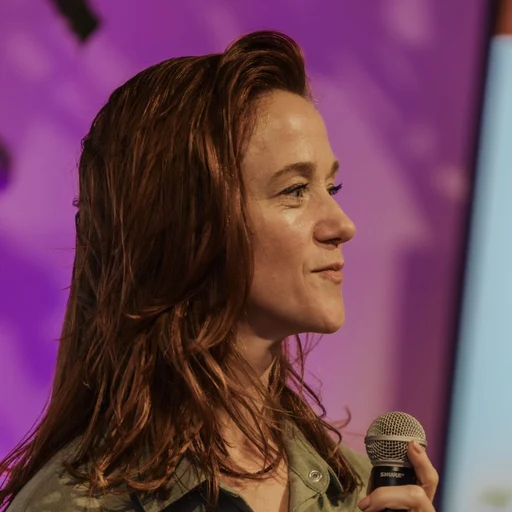
Nauczycielka niderlandzkiego i trenerka mówienia od 2013 roku · założycielka Dutch Speaking Academy
Mariska van der Meij uczy niderlandzkiego od 2013 roku i założyła Dutch Speaking Academy pod Amsterdamem. Pracuje z obcokrajowcami, którzy rozumieją dużo po niderlandzku, ale wciąż przechodzą na angielski, gdy przychodzi ich kolej, żeby mówić. Metoda słuchania opisana na tej stronie jest jej autorstwa.
Od nauczycielki niderlandzkiego
Jak przygotować się do testu ze słuchania NT2 Programma II?
Programma II ma dokładnie taki sam kształt jak Programma I. Luisteren trwa 90 minut i obejmuje około 40 pytań do 5 lub więcej tekstów, z 3 lub 4 odpowiedziami przy każdym i tylko jedną prawidłową. Masz około 25 sekund, żeby najpierw przeczytać pytanie, od 1 do 3 fragmentów to krótkie klipy wideo, a wszystko odtwarzane jest tylko raz. Zmienia się poziom niderlandzkiego. Na poziomie B2 mówiący argumentują swoje stanowisko i wyrażają się dużo mniej wprost.
Dlatego pierwsze, co warto sprawdzić, to czy naprawdę jesteś na poziomie B2, a nie na wygodnym B1. Zrób darmowy oficjalny egzamin próbny dla Programma II, zanim się zapiszesz. Nic cię to nie kosztuje, a to dużo lepszy sprawdzian niż twoje wrażenie własnej gotowości.
Śledź argumentację, nie pojedyncze słowa
Na poziomie B2 pytanie rzadko brzmi: jakie słowo padło. Chodzi o to, co dana osoba myśli i dlaczego. Mówiący buduje argumentację: oto co jest nie tak i oto co powinno się zmienić. Jeśli śledzisz ten tok myślenia, możesz przegapić kilka słów i wciąż odpowiedzieć na pytanie.
Dlatego gdy ćwiczysz, zatrzymaj film po minucie i powiedz na głos, co mówiący próbuje udowodnić i czego chce. Jeśli nie potrafisz tego powiedzieć, ponowne słuchanie pojedynczych słów cię nie uratuje.
Naucz się słów, które odwracają sens zdania
Osoby mówiące na poziomie B2 często zmieniają kierunek wypowiedzi, a sterują tym małe słówka. Wytrenuj ucho na maar („ale”), toch („jednak”), hoewel („chociaż”), daarentegen („z drugiej strony”), sterker nog („co więcej”) i kortom („krótko mówiąc”). Ostrzegają cię, że nadchodzi kontrast albo że zaraz usłyszysz potrzebne podsumowanie.
To ważne, bo błędna odpowiedź to często coś, co mówiący naprawdę powiedział, tuż przed tym, jak odwrócił zdanie i powiedział coś przeciwnego.
Zwracaj uwagę, jak łagodzimy opinie
Holendrzy rzadko mówią wprost „nie”. Zamiast tego mówimy nou ja („no, tak”), op zich („samo w sobie”), in principe („w zasadzie”) albo eigenlijk („właściwie”). W nagraniu na poziomie B2 te drobne słówka niosą całą opinię. Kiedy ktoś mówi op zich is het een goed plan, maar..., wcale nie uważa, że to dobry plan.
Dlatego słuchaj tonu równie uważnie jak słów. Egzamin może zapytać, jak ktoś się czuje wobec tego, co opisuje.
Ćwicz na jednym długim nagraniu, a nie na pięciu krótkich
Fragmenty w Programma II są dłuższe i zawierają więcej informacji, więc trenuj właśnie to. Weź jeden wywiad albo jedną wiadomość trwającą kilka minut i przerabiaj ją w kawałkach po około 30 sekund. Posłuchaj bez tekstu i powiedz, co udało ci się zrozumieć, posłuchaj jeszcze raz, a dopiero potem przeczytaj transkrypcję lub napisy.
Rób to maksymalnie przez 30 minut, a potem zrób sobie przerwę. Tak uważne słuchanie męczy, a to właśnie twoją uwagę teraz trenujesz.
Słyszysz to raz, więc z góry ustal, czego słuchasz
Nie ma drugiego odsłuchu, więc inaczej wykorzystujesz 25 sekund przed fragmentem. Przeczytaj pytanie i odpowiedzi, a potem ustal, czego szukasz: opinii, powodu, liczby albo różnicy między dwiema osobami. Słuchaj tej jednej rzeczy i nie martw się o resztę.
A jeśli coś przegapisz, odpuść i przygotuj się na kolejny fragment. Gonienie za odpowiedzią, która już minęła, to najpewniejszy sposób, żeby stracić też kolejne pytania.
Przez ten egzamin przeprowadzą cię dwie rzeczy. Pierwsza to ucho przyzwyczajone do niderlandzkiego w normalnym tempie, które budujesz, oglądając prawdziwy niderlandzki niemal codziennie. Druga to nawyk pytania, o co właściwie chodzi mówiącemu, który budujesz, robiąc pełne egzaminy próbne. Veel succes!
Dlaczego ten poziom
Dlaczego ludzie zdają NT2 Programma II?
Ludzie najczęściej potrzebują niderlandzkiego na poziomie B2 do:
Studiów w hogeschool (hbo) lub na uniwersytecie, co wymaga niderlandzkiego na poziomie B2
Pracy na poziomie hbo lub akademickim, w tym rejestracji BIG dla pielęgniarek wykształconych na poziomie hbo
Holenderskiego obywatelstwa (naturalizacji), gdzie liczy się dyplom NT2 na poziomie B1 lub B2
Twoim celem jest nauka na mbo albo praca na poziomie mbo-3 lub mbo-4? To wymaga B1, więc zacznij od strony o egzaminie NT2 Programma I ze słuchania.
Za darmo · 98 filmów · 4 godziny 2 minuty
Twój darmowy pakiet NT2 Programma II ze słuchania
Oto 98 krótkich filmów nagranych przez prawdziwych native speakerów na poziomie B2, w tempie mówienia zbliżonym do egzaminu (około 197 słów na minutę). Mówiący używają niderlandzkiego z Holandii, tej samej odmiany, którą usłyszysz na egzaminie, a nie flamandzkiej. Większość słów należy do 97% najczęściej używanych słów w mówionym języku niderlandzkim, więc pasują do języka, jakiego używa się na egzaminie. Razem to około 4 godziny 2 minuty ćwiczeń ze słuchania do egzaminu Staatsexamen NT2 Programma II. Wszystkie możesz obejrzeć poniżej za darmo.
Wereldwijventour: vrouwen die Den Haag hebben veranderd
Omroep West
Co poćwiczysz
A walking tour about famous women in The Hague, where a guide explains history with "want" and "dus" on location.
Escape room dicht, een online spel ontstaat
Creators United
Co poćwiczysz
An escape room owner shows her closed rooms and explains her new online game, using "eigenlijk" and "juist".
Tien dagen geen gevechten in Libanon uitgelegd
NOS Jeugdjournaal
Co poćwiczysz
A news explainer about the ceasefire in Lebanon, using reported speech like "zegt Israël" to present each side's position.
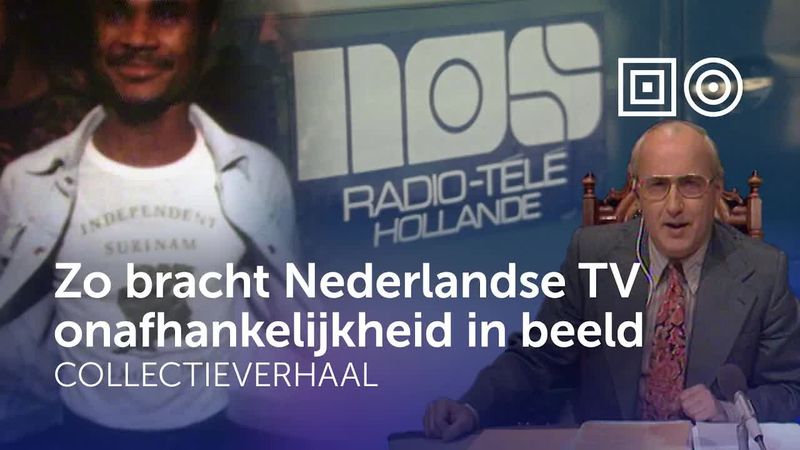
Hoe Nederlandse tv de Surinaamse onafhankelijkheid in beeld bracht
Nederlands Instituut voor Beeld & Geluid
Co poćwiczysz
A documentary about how TV covered Suriname's independence, with witnesses recalling events using past tenses and "destijds".
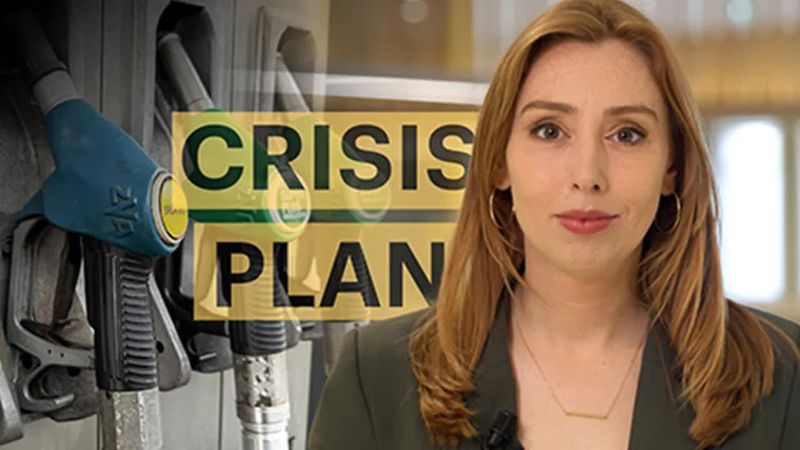
Wat het landelijk oliecrisisplan voor jou betekent
RTL Nieuws
Co poćwiczysz
A news explainer about the national oil crisis plan in four phases, with formal linking like "ondanks alles" and "kort gezegd".
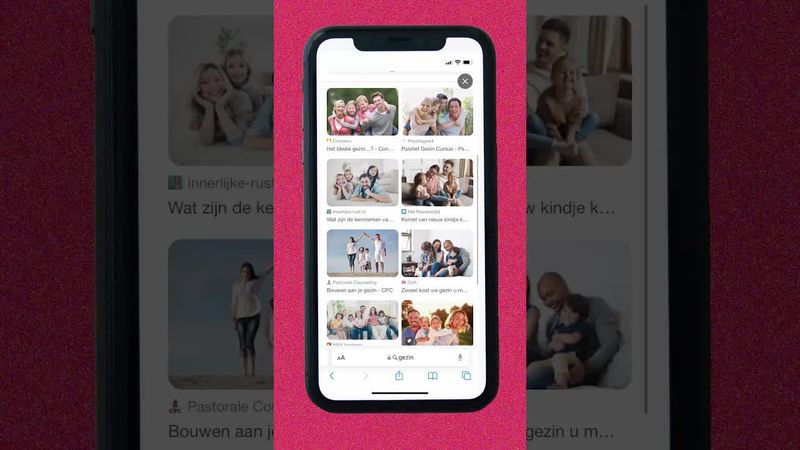
Hoe normaal is het traditionele gezin eigenlijk?
Brainwash
Co poćwiczysz
A short explainer asks how normal the standard family really is, building an argument with "maar" and "ondertussen".
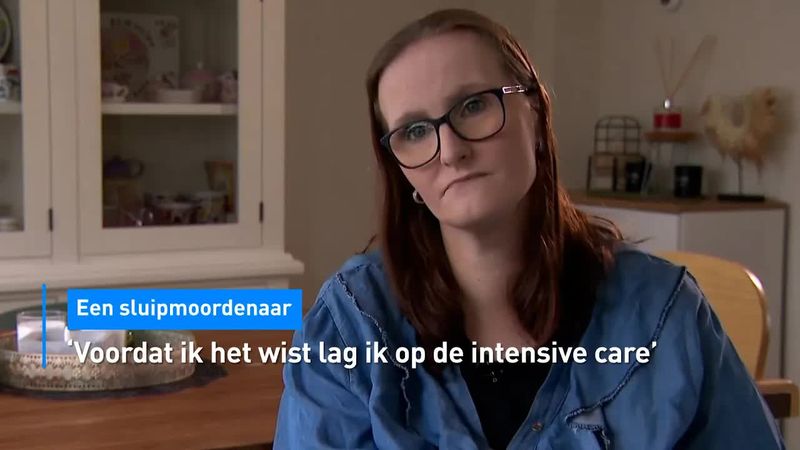
Joyce’s verhaal over een infectie met vleesetende bacterie
Hart van Nederland
Co poćwiczysz
A news report on a dangerous infection mixes a patient's story, street voices and an expert, with "eigenlijk" hedges.
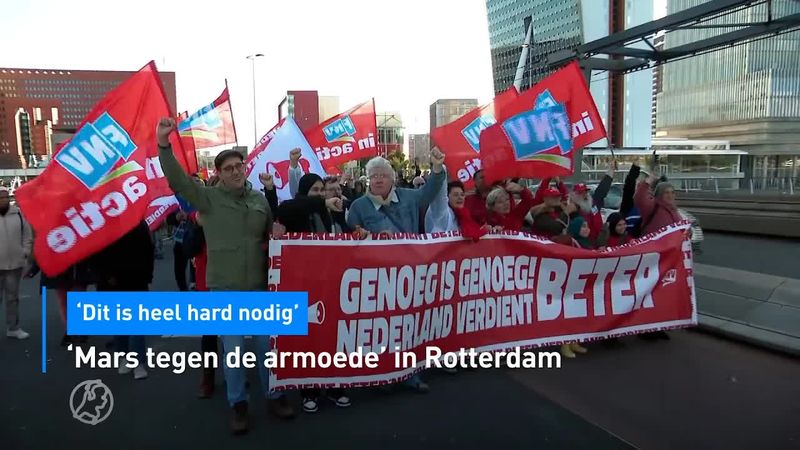
Mars tegen armoede en de gevolgen voor uitkeringsgerechtigden
Hart van Nederland
Co poćwiczysz
A news report from a poverty march, where people explain money problems using "terwijl" when prices rise but income stays flat.
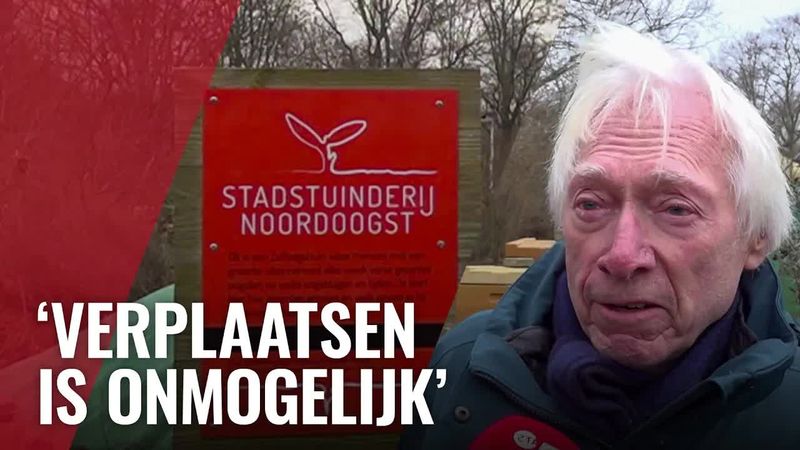
Stadslandbouw NoordOogst in de knel door sportvelden
AT5
Co poćwiczysz
A local news report shows an urban farm that must leave for sports fields, with reasons linked by "namelijk" and "terwijl".
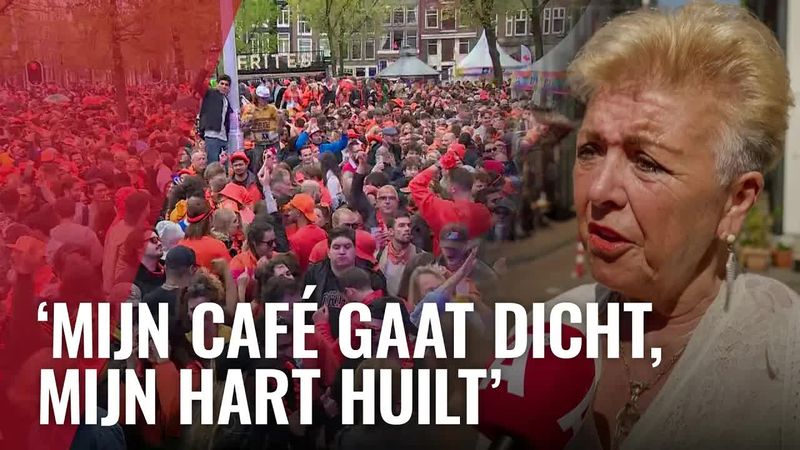
Mening van Jordaanbewoners over Koningsdag en drukte
AT5
Co poćwiczysz
Locals in a news report give opinions about King's Day crowds, linking ideas with "eigenlijk" and "gewoon".
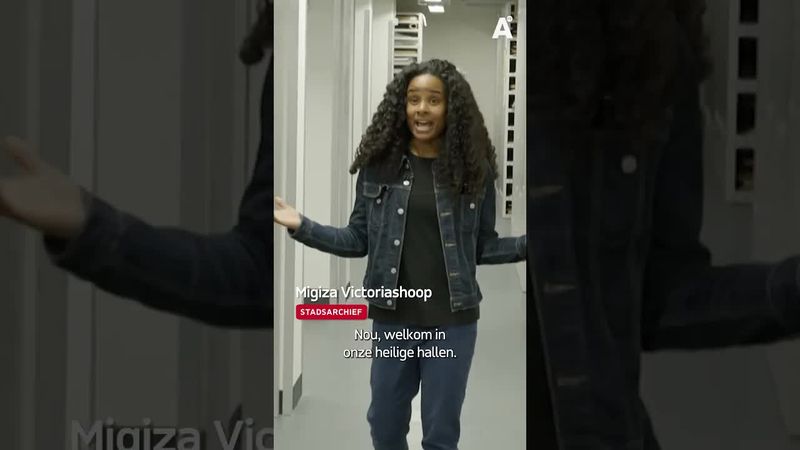
Diversere verhalen in het Amsterdamse stadsarchief
AT5
Co poćwiczysz
A news report shows the Amsterdam city archive adding more diverse stories, with contrast words like "terwijl" and "eigenlijk".
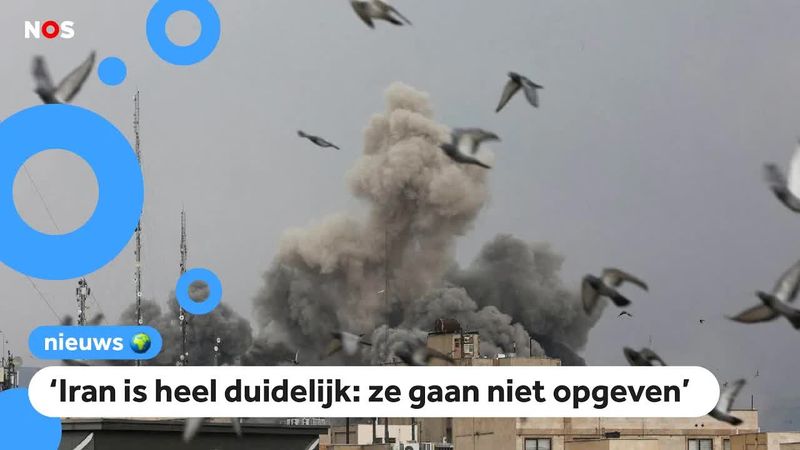
Hoe de oorlog in Iran de wereld beïnvloedt
NOS Jeugdjournaal
Co poćwiczysz
A news explainer on the Iran war and its world effects, with clear summarizing links like "kortom" and "ondanks".
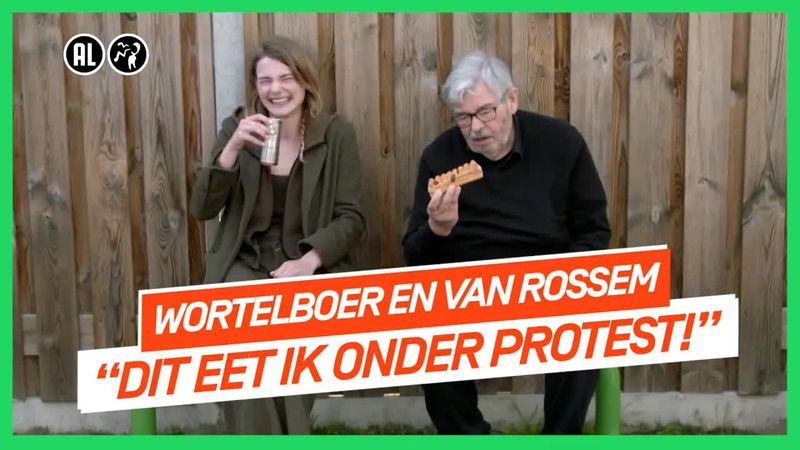
Generatiekloof en schoolherinneringen met frikandelbroodje
NPO Start
Co poćwiczysz
A documentary talk about school changes since the 1960s, where a historian argues with "naar mijn idee" about education reform.
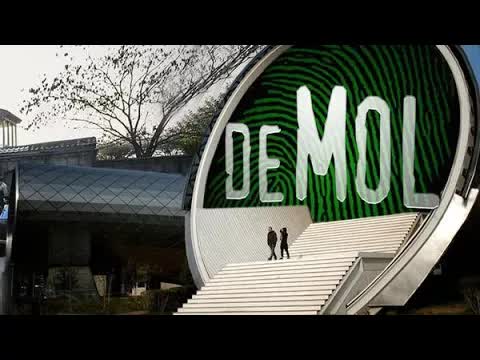
Wie is de Mol en de toerismeboost voor Georgië
De Telegraaf
Co poćwiczysz
A news report on tourism to Georgia after a TV show, with a tour operator confirming growth using "inderdaad" and "langzaam maar zeker".
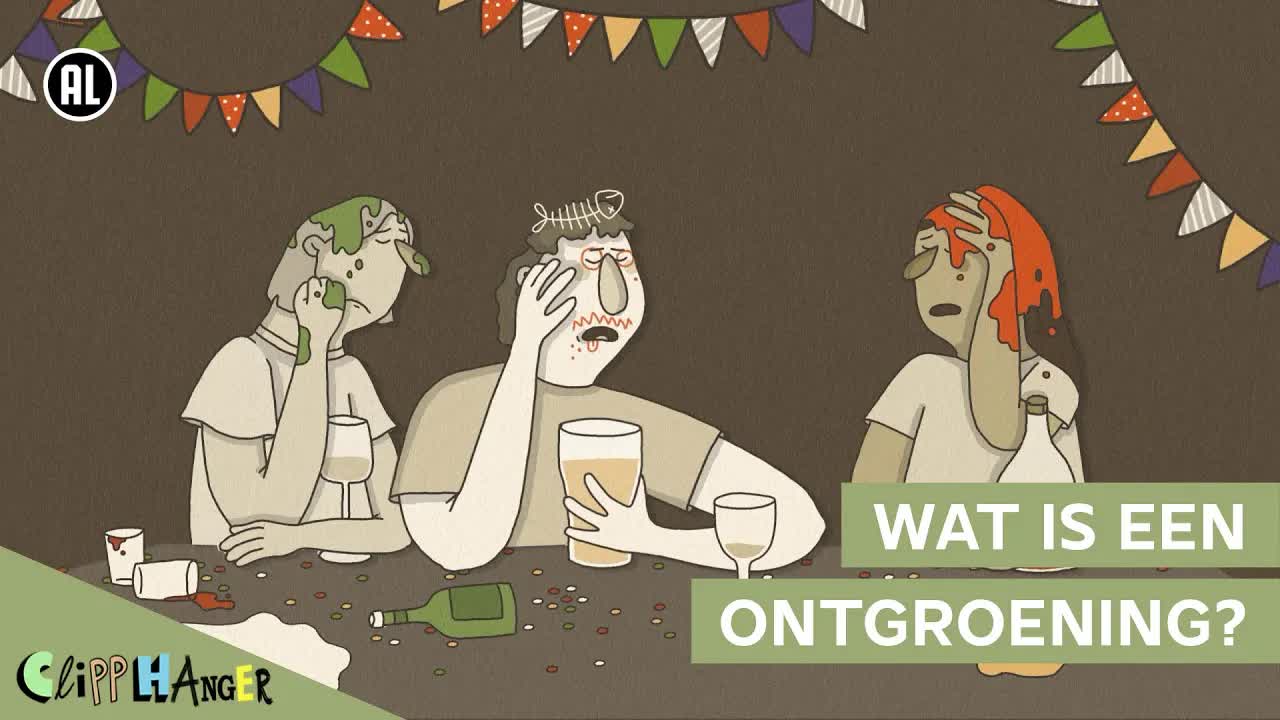
Waarom studentenverenigingen een ontgroening hebben
Clipphanger
Co poćwiczysz
An animated explainer tells why student clubs haze new members, linking history and purpose with "want" and "dus".
Uitleg: wat is autisme en hoe uit het zich?
Clipphanger
Co poćwiczysz
A short explainer about autism describes causes and effects with "waardoor" and "dus", useful for exam listening.
Minister verdedigt duur bezoek aan marineschip Evertsen
RTL Nieuws
Co poćwiczysz
A reporter presses a minister about the cost of a navy visit, so you hear firm answers using "afweging" and "cruciaal".

Koloniale troepen in de Tweede Wereldoorlog en daarna
Hipstoricus
Co poćwiczysz
A history explainer on colonial troops in World War Two, building an argument with "hoewel" and a "waarom" question.
Rob Jetten over oorlog, veiligheid en zijn nieuwe rol
NOS Jeugdjournaal
Co poćwiczysz
A news interview where the new prime minister explains war worries, giving reasons with "daarom" and "zodat".

Hoe werkt de gesmolten zout kerncentrale in Borssele?
Omroep Zeeland
Co poćwiczysz
Two presenters explain how a molten salt nuclear reactor works, connecting each step with "dus" and "juist".
Studie Nederlands: meer dan alleen literatuur
University of Groningen
Co poćwiczysz
A student explains what studying Dutch at university is really like, correcting expectations with "eigenlijk" and "juist".
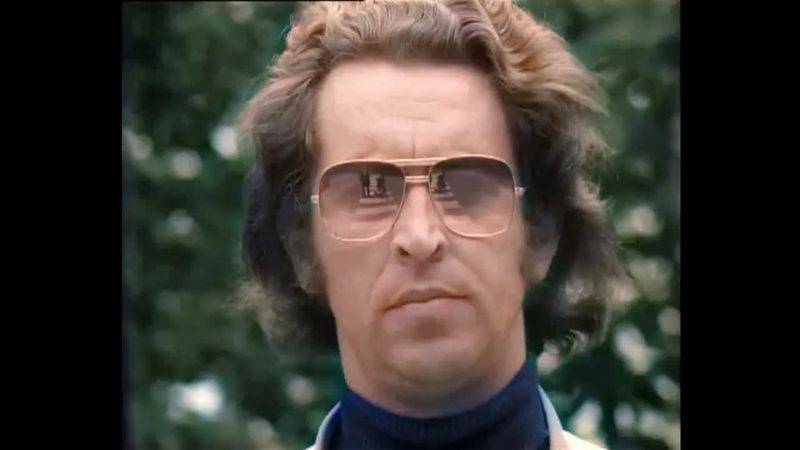
Opleiding van blindegeleidehonden in Amsterdamse verkeerstuin
The Dutch Table
Co poćwiczysz
A documentary about training guide dogs for blind people, with the clear contrast word "daarentegen".
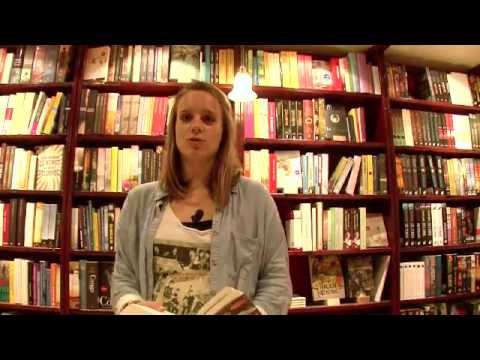
Studie Nederlands, moderne letterkunde en mijn scriptie over liefde
University of Groningen
Co poćwiczysz
A student presents her Dutch literature study and thesis, linking reasons with "omdat" and "naast" in clear speech.
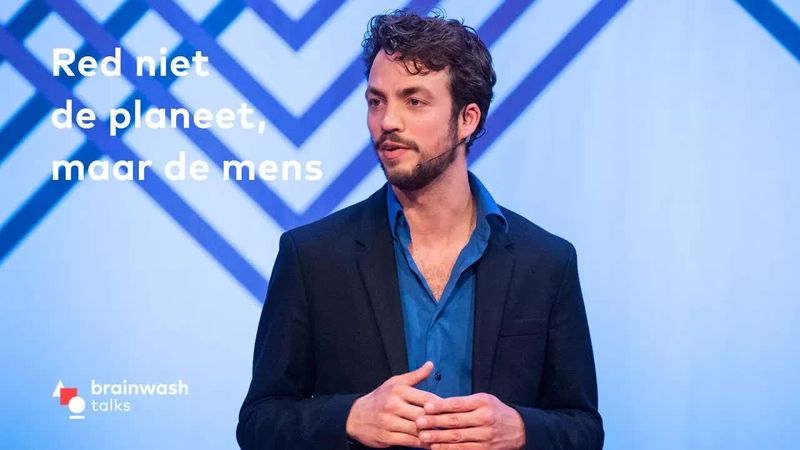
Waarom Nederlanders klimaatverandering nauwelijks als probleem zien
Brainwash
Co poćwiczysz
A speaker argues why Dutch people ignore climate change, using numbers and the contrast word "toch" to make a point.
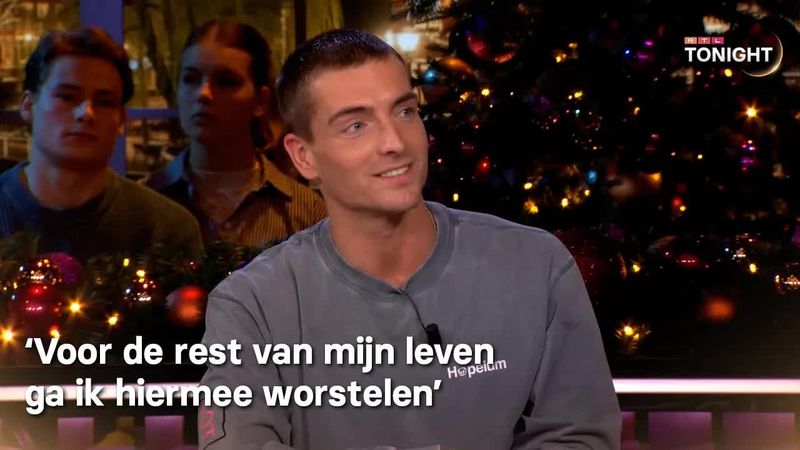
Robbert Rodenburg over eetstoornissen, taboes en herstel
RTL Tonight
Co poćwiczysz
A talk show interview about eating disorders in men, with claims supported by "bijvoorbeeld" and "gewoon" in natural fast Dutch.
Hantavirus op cruiseschip: hoe groot is het risico?
WNL
Co poćwiczysz
A virus expert answers news questions about an outbreak on a ship, weighing risk with "kennelijk" and "überhaupt".

Waarom boodschappen in Nederland zo duur zijn
RTL Z
Co poćwiczysz
A news explainer on why Dutch groceries cost more than abroad, weighing causes with "sowieso" and "toch".
Waarom krijg je spierkramp tijdens het sporten?
University of The Netherlands
Co poćwiczysz
A lecture on why muscles cramp during sport, with clear cause and effect links like "waardoor" and "op het moment dat".
Hoe Cruijff denkt en spreekt volgens de taalkunde
Brainwash
Co poćwiczysz
A short lecture explains how Cruijff spoke faster than he could plan, using "terwijl" to contrast two thinking steps.
Rob Jetten over social media en bescherming van kinderen
NOS Jeugdjournaal
Co poćwiczysz
A journalist questions minister Rob Jetten about a social media ban for children, with reasons linked by "want" and "uiteindelijk".
Iraniërs vieren benoeming van nieuwe opperste leider
RTL Nieuws
Co poćwiczysz
A short news bulletin about Iran's new leader, with formal words like "zogeheten" and the passive voice.
Vrouwenmars in Amsterdam voor Internationale Vrouwendag
AT5
Co poćwiczysz
Street interviews at a women's march in Amsterdam, where speakers soften opinions with "toch" and "eigenlijk".
Dakloze moeders met kinderen in Amsterdam-Zuidoost
AT5
Co poćwiczysz
A news report follows homeless mothers in Amsterdam, so you hear reported speech like "ik kreeg te horen" about refused help.
Joyce overleeft treinongeluk en deelt haar levensles
Hart van Nederland
Co poćwiczysz
A news report about a train crash survivor, so you hear past tense storytelling and time phrases like "30 jaar geleden".
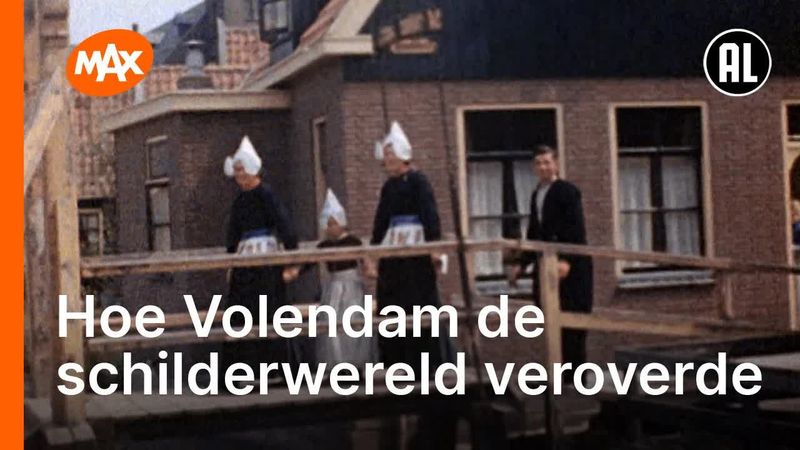
Hoe Volendam zo populair werd bij schilders
Omroep MAX
Co poćwiczysz
An interview on the dike explains how painters made Volendam world famous, summing up ideas with "in feite".
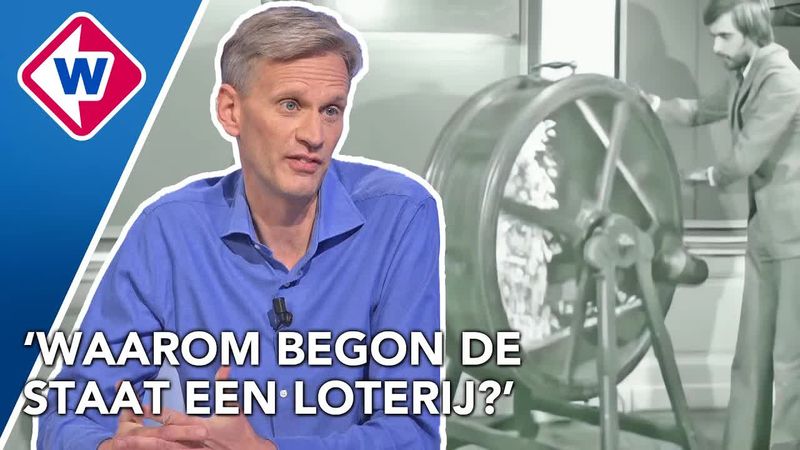
300 jaar Staatsloterij: geschiedenis van trekkingen en loten
Omroep West
Co poćwiczysz
A studio talk about 300 years of the state lottery, listing reasons with "daarnaast" and "eigenlijk".
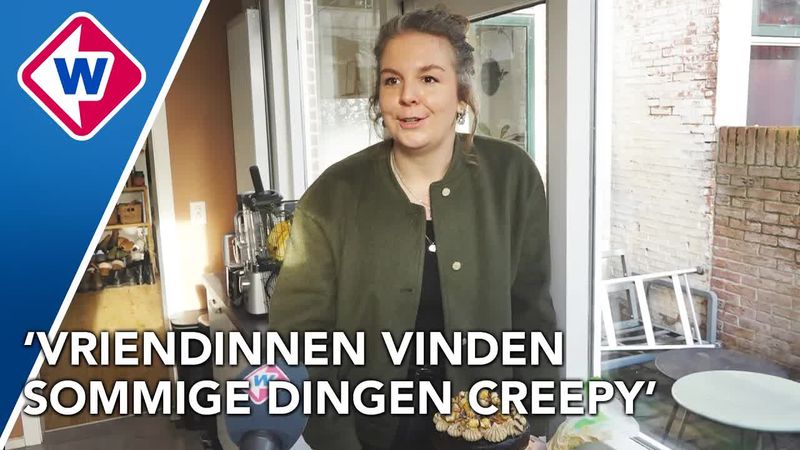
Leven van kookvideo’s en omgaan met online bekendheid
Omroep West
Co poćwiczysz
A food creator explains the good and bad sides of online work, weighing them with "eigenlijk" and "maar".
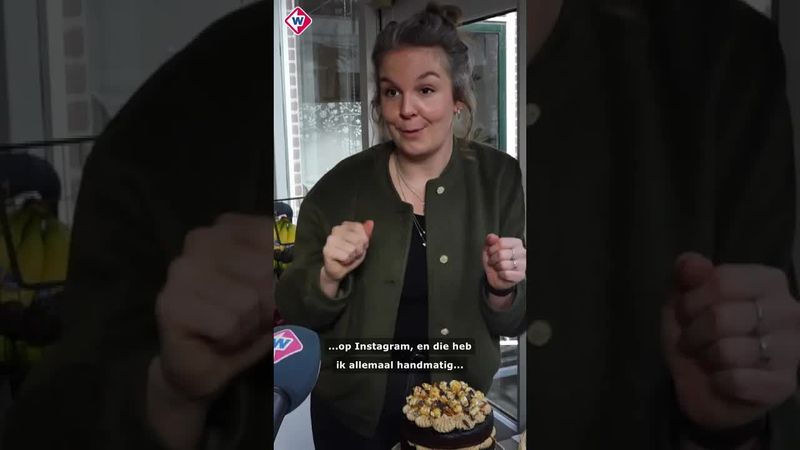
Leven van kookvideo’s op instagram: vrijheid en nadelen
Omroep West
Co poćwiczysz
A food creator explains how she earns a living from short cooking videos, weighing pros and cons with "maar" and "eigenlijk".
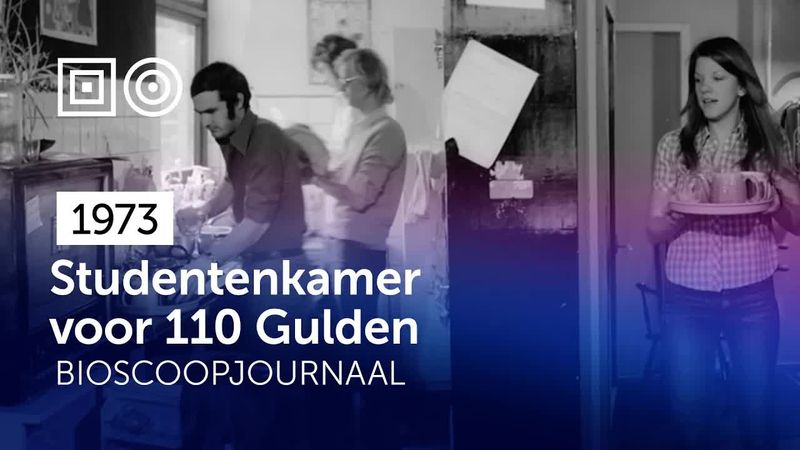
Studentenleven op Uilenstede in Amsterdam in 1973
Nederlands Instituut voor Beeld & Geluid
Co poćwiczysz
A 1973 documentary about student housing compares rents and rooms, with contrast marked by "terwijl" and "doordat".
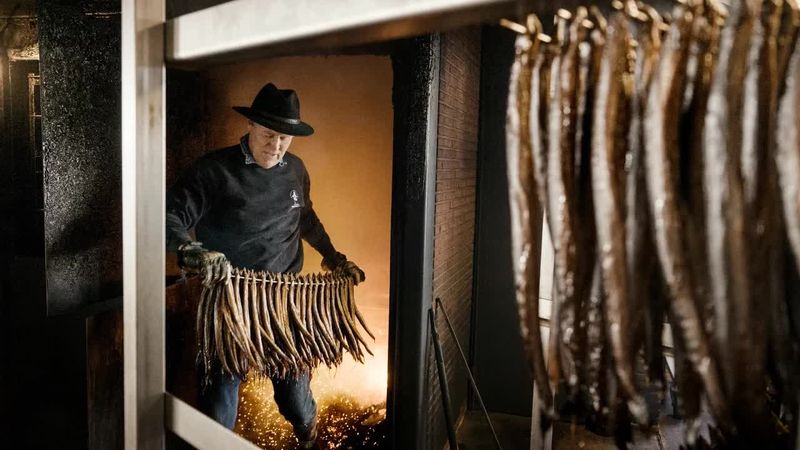
Identiteit en tradities van Volendam als vissersdorp
De Morgen
Co poćwiczysz
A documentary about Volendam's fishing village identity, where speakers link opinions with "toch" and "natuurlijk".

De zoektocht naar een nieuwe Hongaarse president
NOS op 3
Co poćwiczysz
A reported explainer on Hungary picking a new president, with a country expert weighing in, so you practise holding on to an argument over five minutes rather than catching single facts.
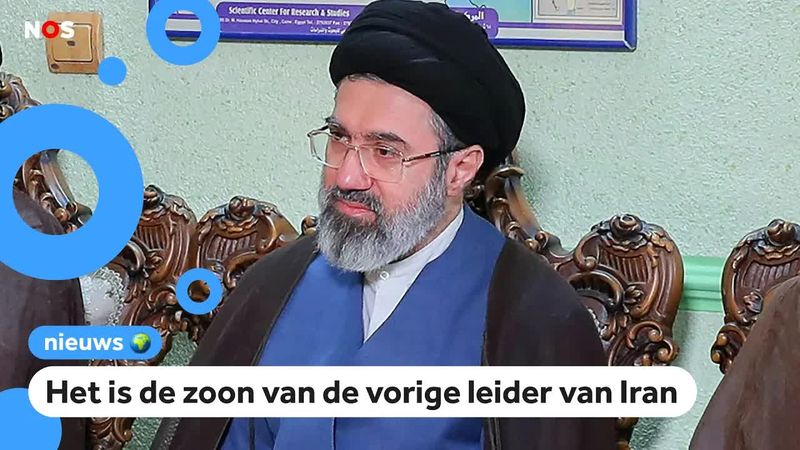
Wie is de nieuwe leider van Iran?
NOS Jeugdjournaal
Co poćwiczysz
A news explainer about Iran's new leader, with contrast marked by "toch" and a conclusion with "eigenlijk".
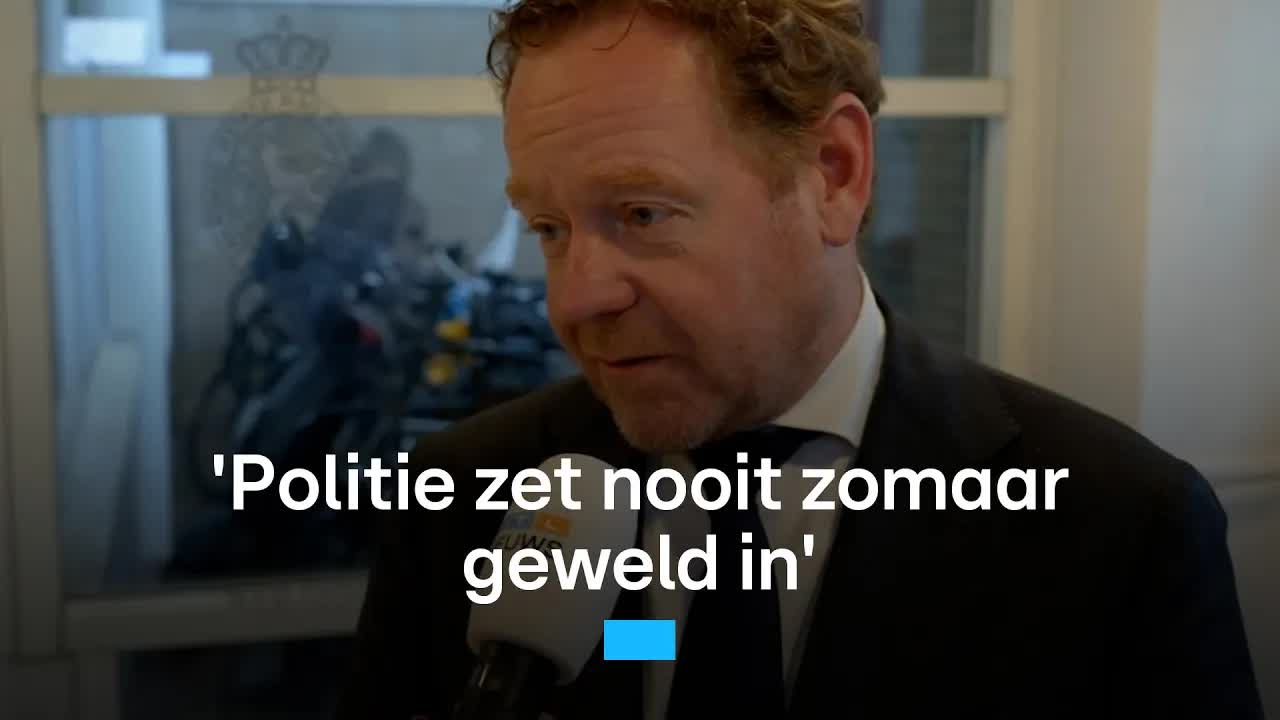
Van Weel reageert op politiegeweld tegen zwangere vrouw
RTL Nieuws
Co poćwiczysz
A minister answers press questions about police violence, deflecting with "dat is aan de politie" and reported speech "de politie zegt".
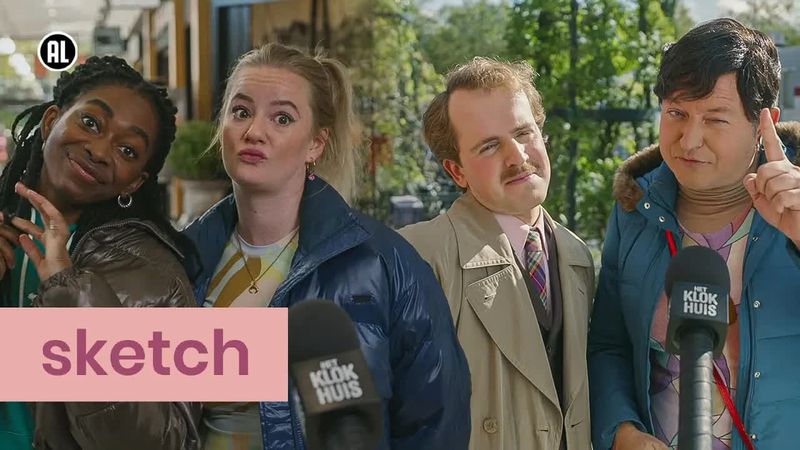
Straatinterview over persvrijheid en kritiek op de media
Het Klokhuis
Co poćwiczysz
Street interviews about press freedom mix real opinions and jokes, so you hear arguments with "want" and "dus".
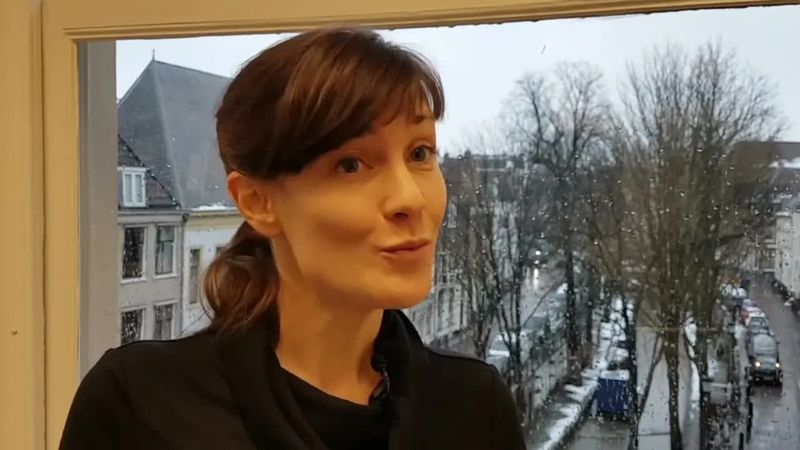
Middeleeuws kinderfeest in de kerk op 28 december
The Dutch Table
Co poćwiczysz
A historian lectures on a medieval children's feast in church, explaining causes with "vanwege" and "dus".
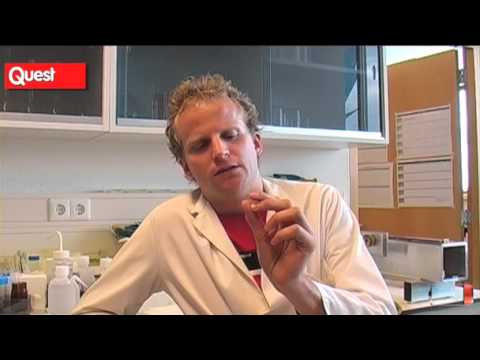
Onderzoek naar tropisch bos en klimaatverandering uitgelegd
Quest Magazine
Co poćwiczysz
A researcher explains how tree rings show climate change effects, structuring the explanation with "dus eigenlijk" and "doordat".
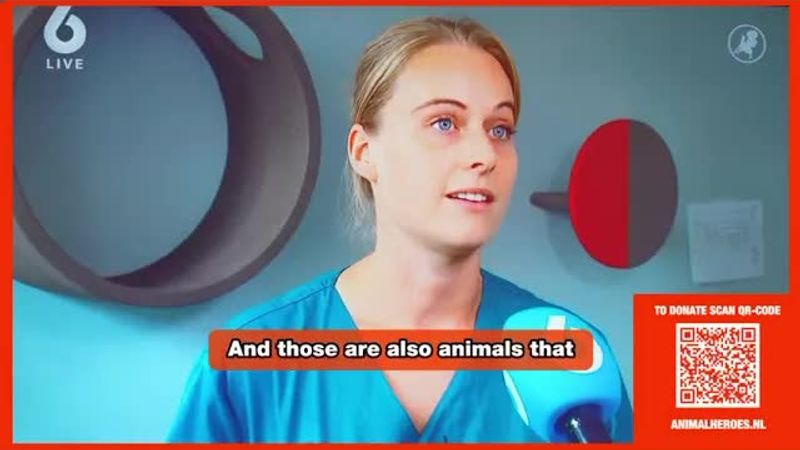
Nederlandse steun voor gewonde dierenarts en dieren in Gaza
Animal Heroes Foundation
Co poćwiczysz
Reporters interview Dutch vets who support animals in Gaza, so you hear "ondanks" used to link hardship and helping.
Een gezin vormen met drie ouders en een nieuwe taal
Brainwash
Co poćwiczysz
A speaker argues for legal rights for three parent families, using questions and the contrast word "terwijl" to build her case.
Veranderende wijk in Rotterdam en spanningen tussen bewoners
Nieuws van de Dag
Co poćwiczysz
A news report where residents describe how their Rotterdam area changed, stressing points with "juist" and "gewoon".
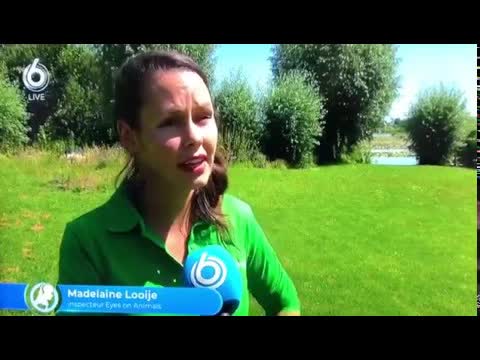
Dierenvervoer naar het slachthuis tijdens extreme hitte
Eyes on Animals
Co poćwiczysz
A news report on animal transport in extreme heat, with opposite views and the phrase "daar ben ik het niet mee eens".

Waarom we verschillende soorten tranen hebben
Clipphanger
Co poćwiczysz
An animated explainer about types of tears, where causes and contrasts are marked with "juist" and "toch".
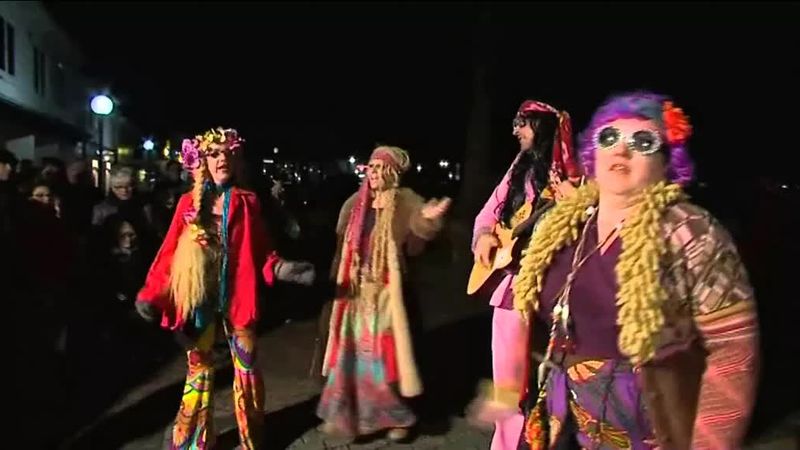
Texelse tradities: meierblis en oude Sunderklaas uitgelegd
NH Nieuws
Co poćwiczysz
A regional news report explains two Texel traditions, with formal phrases like "van oudsher" and "aan de kaak stellen".
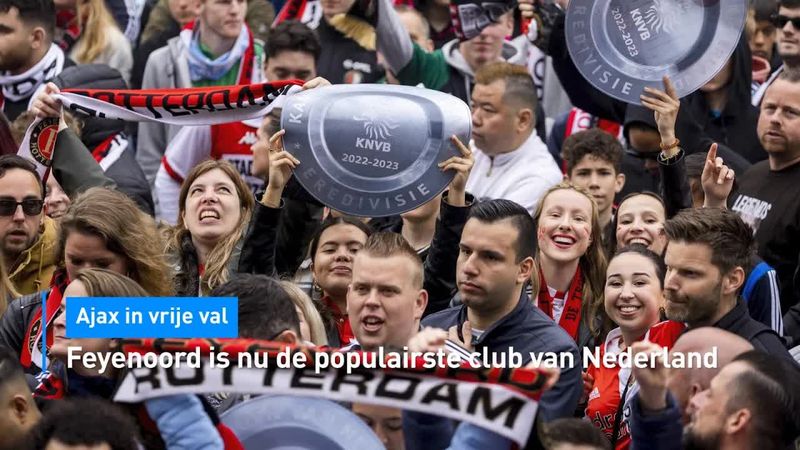
Feyenoord populairst, Ajax verliest fans aan concurrenten
Hart van Nederland
Co poćwiczysz
A news item explains research on football club popularity, giving reasons with "namelijk" and "vanwege".
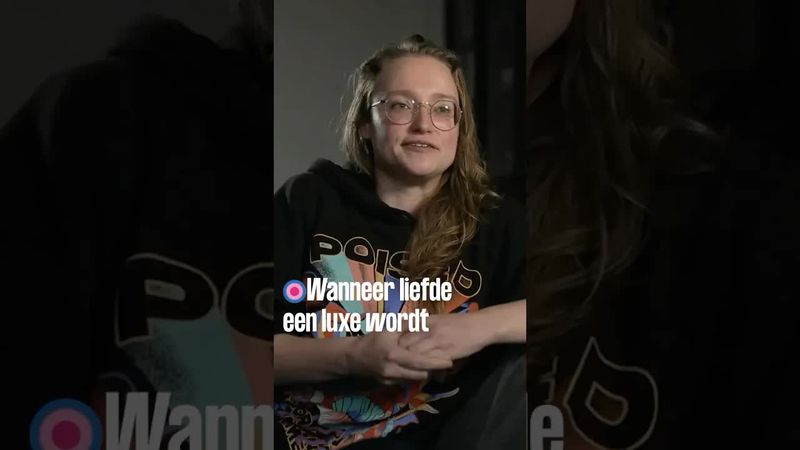
Daten, armoede en de wens voor kinderen
KRO-NCRV
Co poćwiczysz
A documentary interview about dating while poor, where the speaker hedges honestly with "toch" and "eigenlijk" about wanting children.
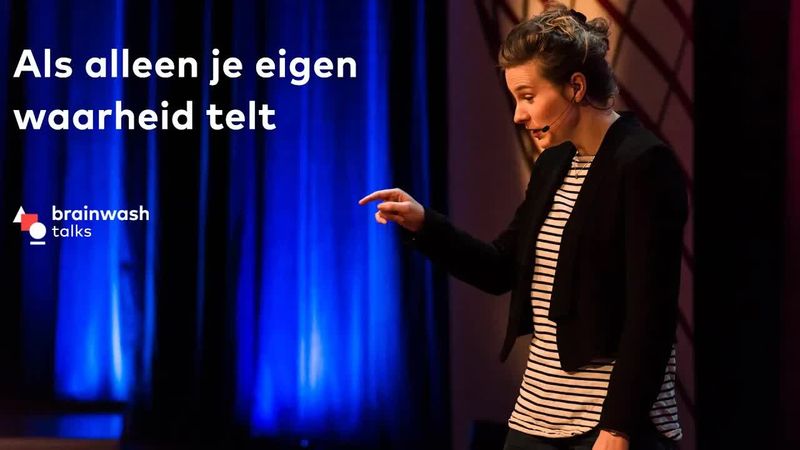
Wat er gebeurt als we het oneens zijn
Brainwash
Co poćwiczysz
A short lecture explains brain research on disagreement, with clear comparisons like "precies het omgekeerde" between listening and blocking.
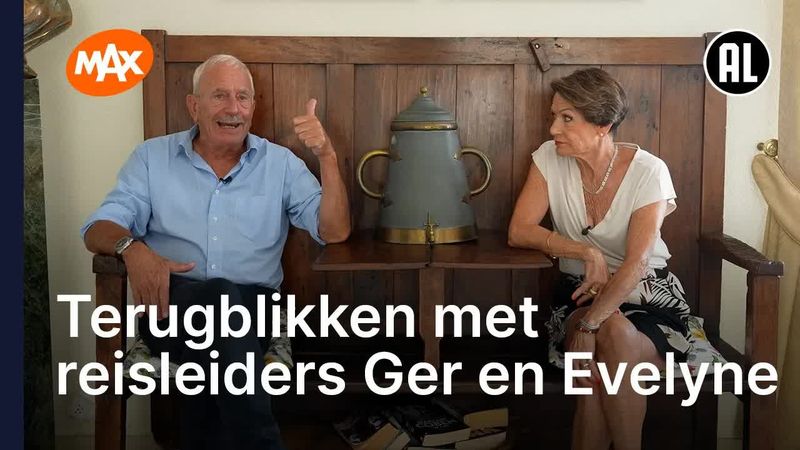
Reisleiders Ger en Evelyne over hun bijzondere groepsreis
Omroep MAX
Co poćwiczysz
Two tour guides discuss a group trip through the Pyrenees, explaining their choices with "vanwege het feit dat".
Cacaoboeren verdienen te weinig van de opbrengst
WNL
Co poćwiczysz
An interview about why cocoa farmers earn too little, with disagreement and emphasis through "juist" and "vooral".
Dierenzwangerschap: bizarre voortplanting bij konijnen en kangoeroes
Quest Magazine
Co poćwiczysz
An expert interview about animal pregnancy, where causes and conclusions are linked with "dus" and "want" at natural speed.
Rouw, kleinkinderen en samen verder na verlies
Omroep MAX
Co poćwiczysz
Two widowed seniors talk with an interviewer about grief and grandchildren, using "toch" to soften hard feelings.
Homoseksualiteit en voortplanting in het dierenrijk uitgelegd
Quest Magazine
Co poćwiczysz
A science explainer on animal behavior, where the expert hedges claims with "met name" and "zou je kunnen argumenteren".
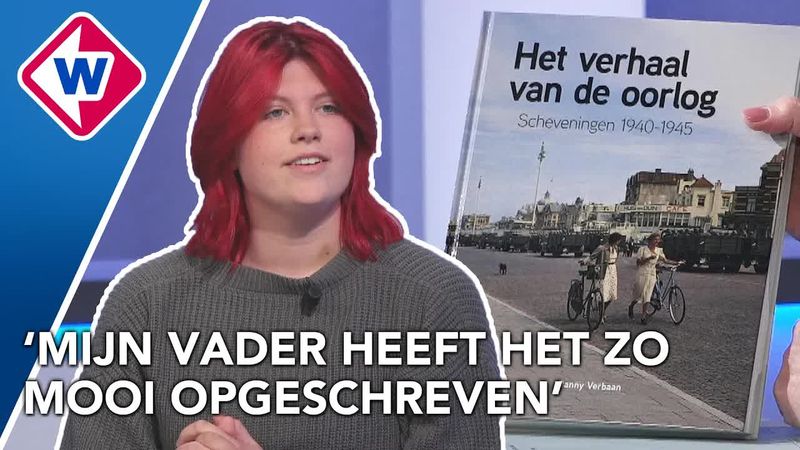
Boek over Scheveningen in de oorlogsjaren
Omroep West
Co poćwiczysz
A studio interview about a book on wartime Scheveningen, with reasons introduced by "omdat" and "anders" in clear standard Dutch.
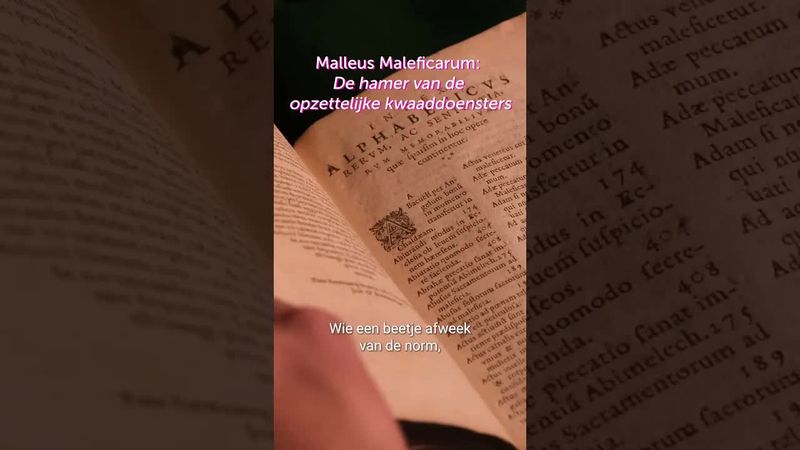
De heksenhamer en de kracht van desinformatie
Nederlands Instituut voor Beeld & Geluid
Co poćwiczysz
A museum explainer links a 15th century witch hunting book to modern disinformation, using phrases like "niets nieuws onder de zon".
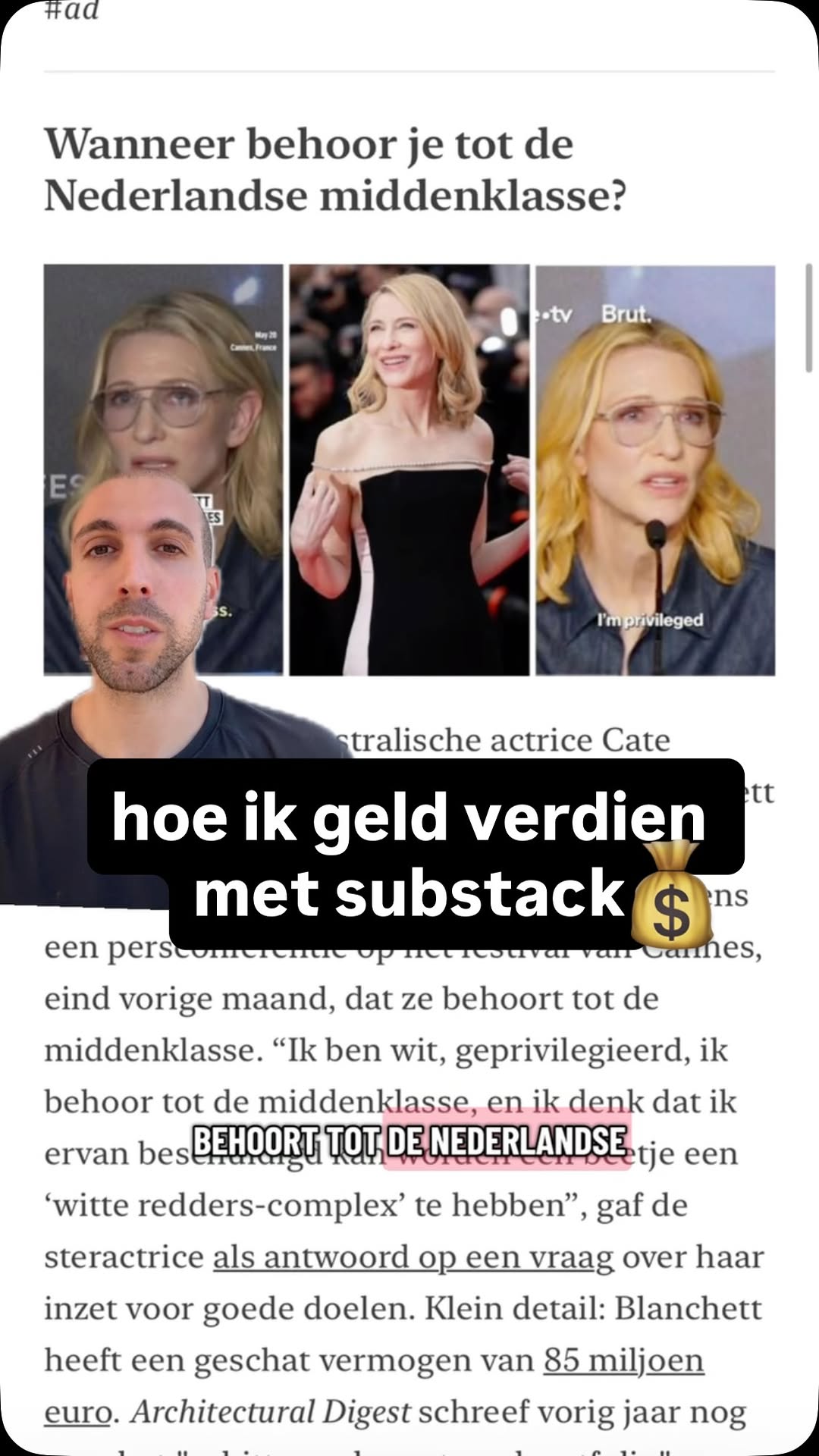
Leven van je nieuwsbrief: geld verdienen met Substack
havermelkelite
Co poćwiczysz
A creator explains earning money from a newsletter platform, introducing facts with "namelijk" at a fast pace.

Achteruit zwemmen voor gehandicapte kinderen tijdens carnaval
The Dutch Table
Co poćwiczysz
An old newsreel about a backwards swimming stunt for charity, with formal narration that explains facts using "namelijk".

Waarom we Sinterklaas op 5 december vieren
Quest Magazine
Co poćwiczysz
A short explainer tells why Sinterklaas is on 5 December, using history connectives like "bovendien" and "naarmate".
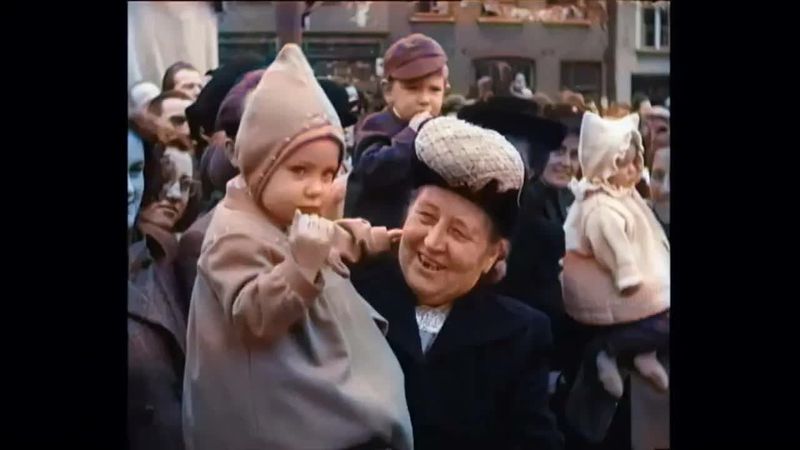
Huwelijksfeest: 65 jaar getrouwd in Bergen op Zoom
The Dutch Table
Co poćwiczysz
An old newsreel about a 65 year wedding party, with formal narration and contrast marked by "weliswaar".
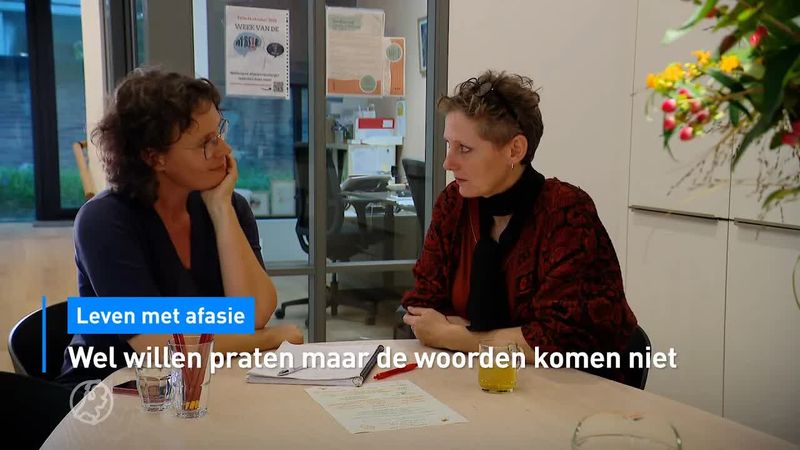
Leven met afasie en de strijd om woorden
Hart van Nederland
Co poćwiczysz
A news report about living with aphasia, so you hear health words and examples introduced with "bijvoorbeeld".
Dutch Design Week en de BeMoved koffiemachine
FutureOfCoffee
Co poćwiczysz
A playful report from Dutch Design Week shows products and trends, contrasting ideas with "toch" while people test a coffee machine.
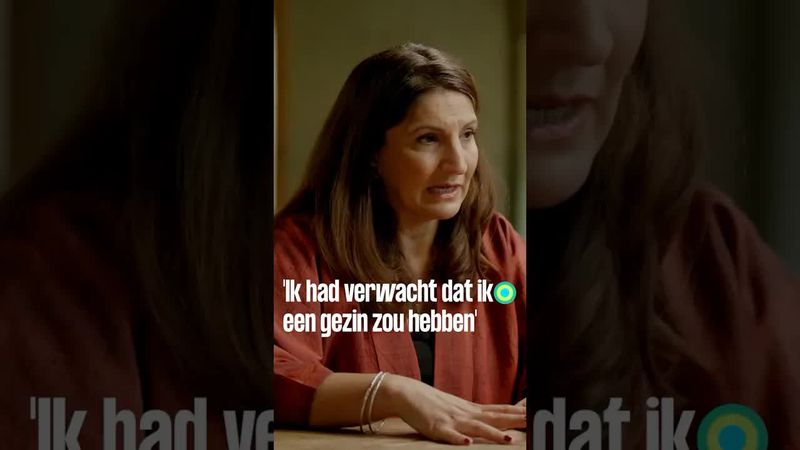
Geen kinderen, maar wel ruimte om liefde te geven
KRO-NCRV
Co poćwiczysz
A woman reflects on life without her own children in a calm interview, reasoning with "doordat" and "dus".
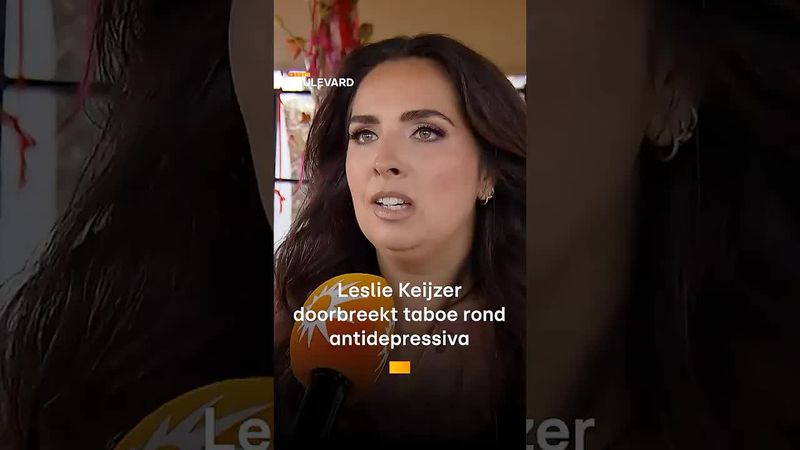
Openhartig over leven na depressie en antidepressiva
RTL Boulevard
Co poćwiczysz
An open interview about life after depression, with honest hedging like "best wel" and contrast using "terwijl".
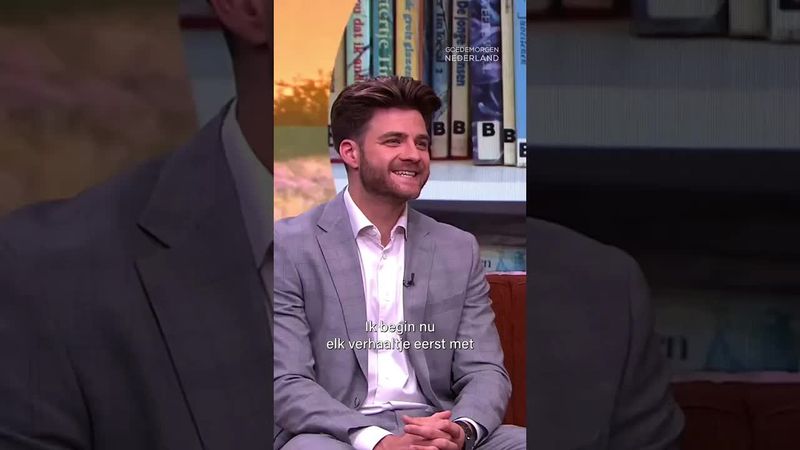
Wat maakt een kinderboek echt goed voor kinderen?
WNL
Co poćwiczysz
A studio talk about what makes children's books good, with opinions introduced by "ik denk" and "bijvoorbeeld".
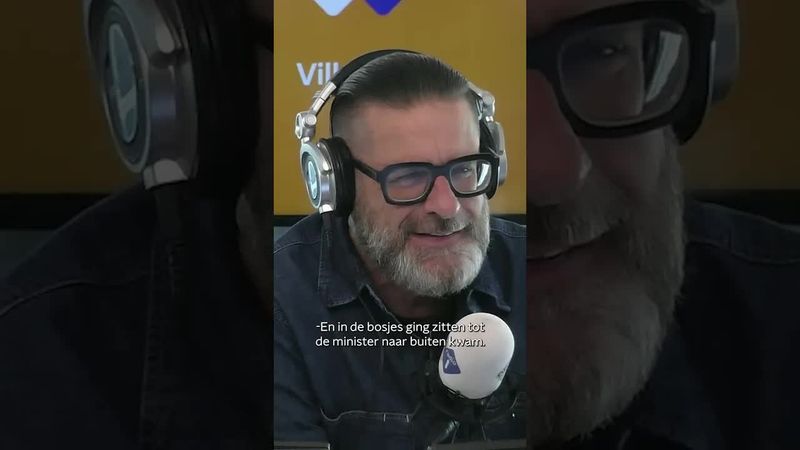
De vasthoudende interviewstijl van Willibrord Frequin uitgelegd
Omroep MAX
Co poćwiczysz
A colleague explains a famous reporter's stubborn interview tricks, with "desnoods" showing how far he would go.
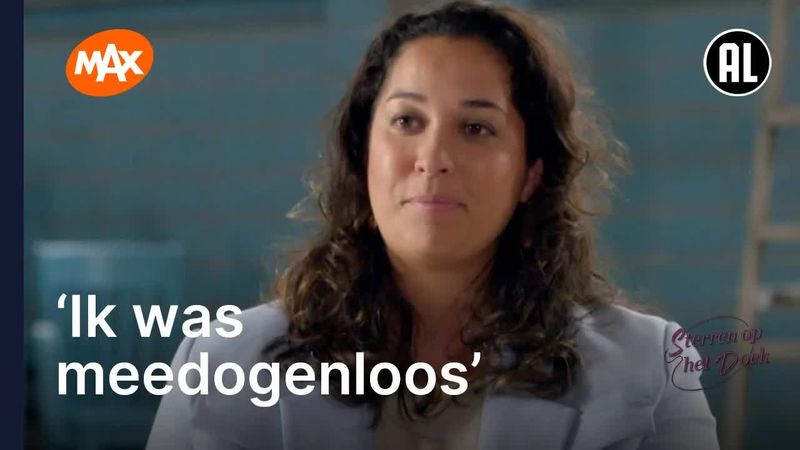
Ranomi Kromowidjojo over ambitie en meedogenloze topsport
Omroep MAX
Co poćwiczysz
A calm interview with a swimmer about ambition, with conditions expressed by "tenzij" and time clauses with "totdat".
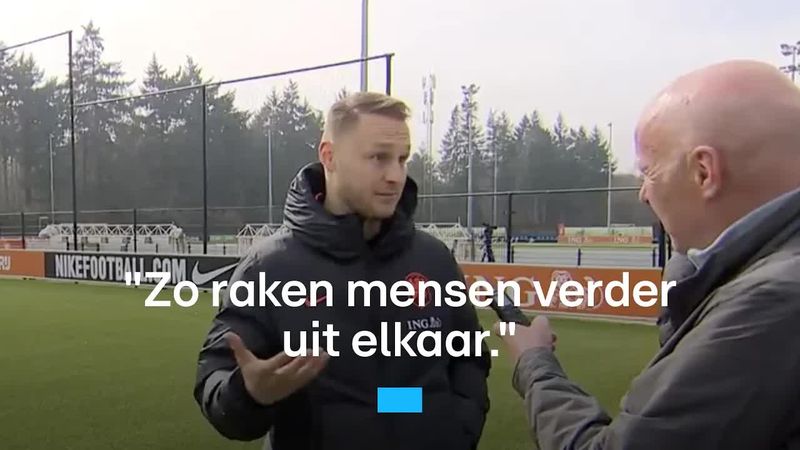
Koopmeiners over petitie tegen WK in Amerika
RTL Nieuws
Co poćwiczysz
A footballer answers questions about a World Cup petition, hedging his opinions with "ik denk dat" and "misschien".

Omgaan met de kankerdiagnose van mijn moeder
Stichting Bratelle
Co poćwiczysz
A young woman describes coping with her mother's cancer, contrasting feelings with "terwijl" in a calm interview.
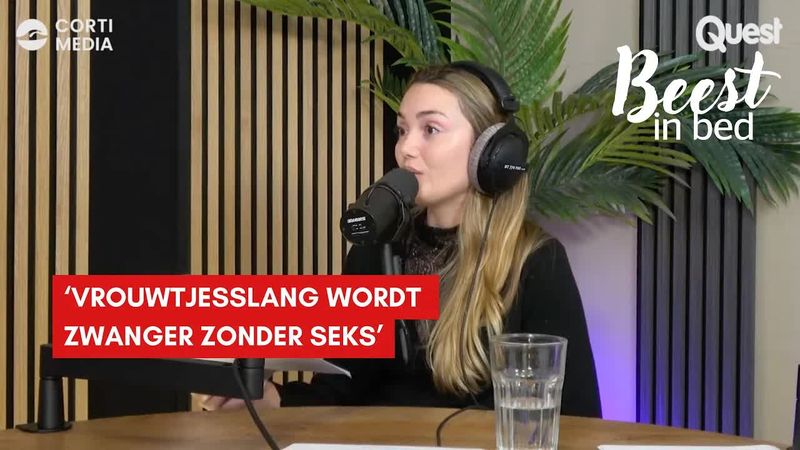
Maagdelijke voortplanting bij slangen en eenzame cobra Ayla
Quest Magazine
Co poćwiczysz
A science conversation about snakes that clone themselves, with steps in the argument marked by "dus" and "uitsluitend".
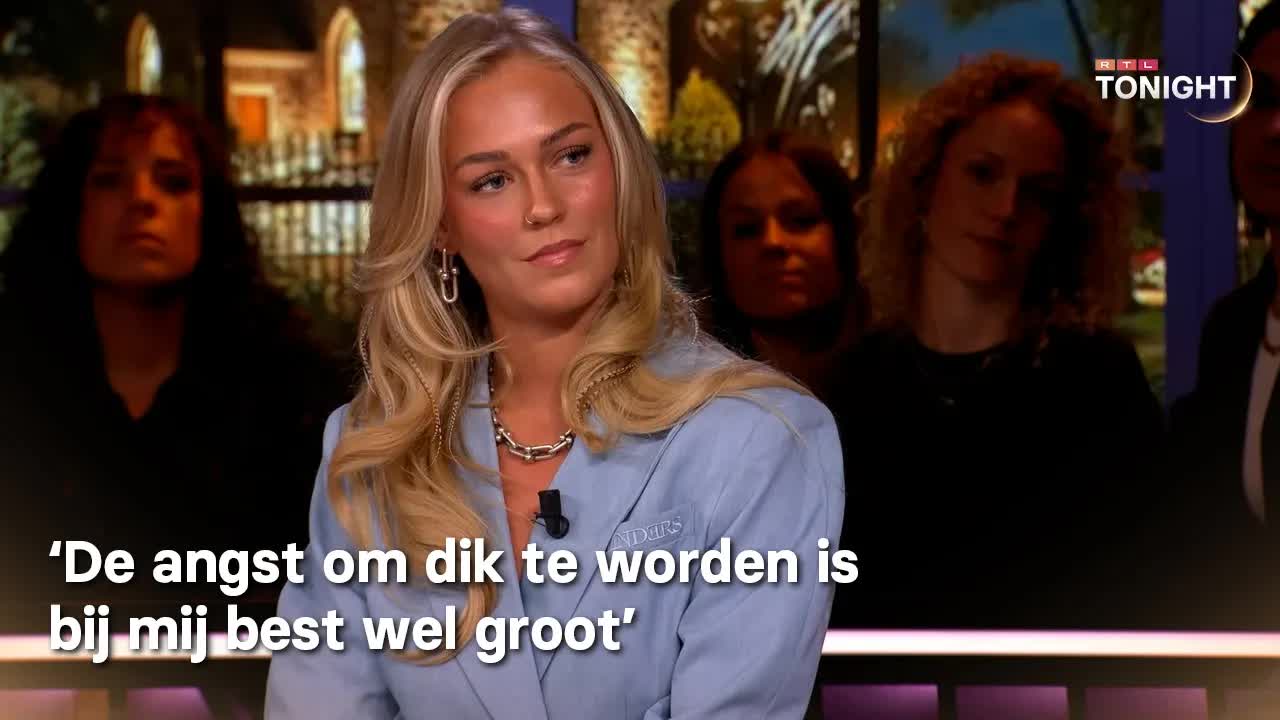
Marijn Kuipers over haar jarenlange strijd met boulimia
RTL Tonight
Co poćwiczysz
A woman describes her recovery from bulimia in a talk show, using "op een gegeven moment" to order events in time.
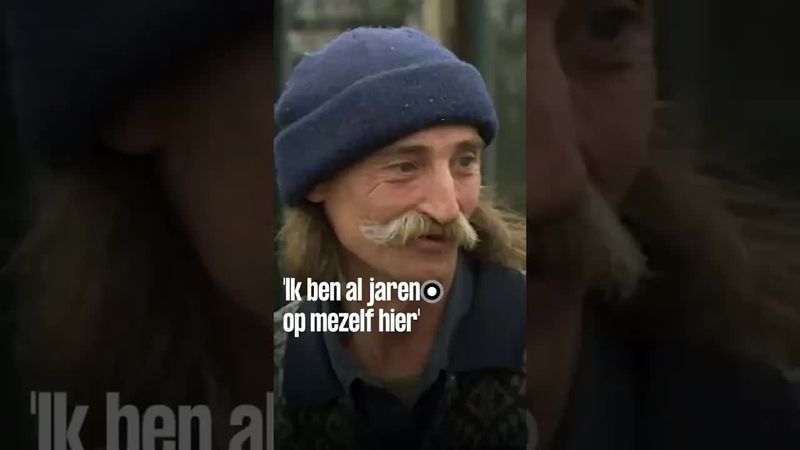
Leven in eenzaamheid op een eilandje in de polder
KRO-NCRV
Co poćwiczysz
An interview with a woman living alone in the polder, with simple answers softened by "gewoon" and "een beetje".
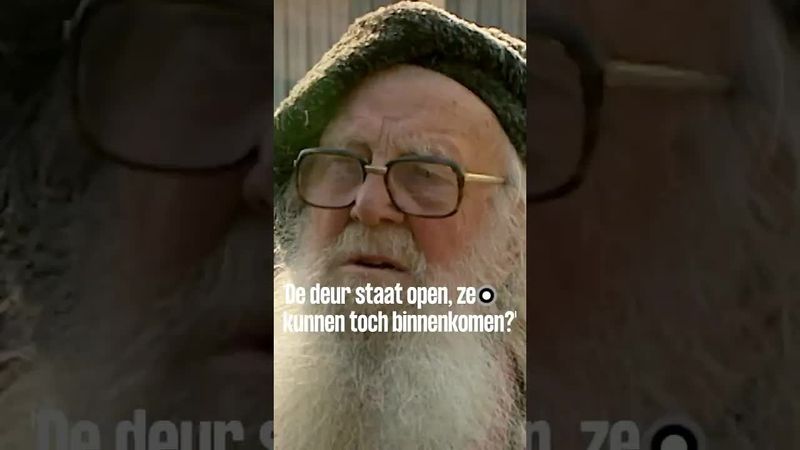
Ome Cor over verlies, vrijheid en genieten van de natuur
KRO-NCRV
Co poćwiczysz
An interview with an old man about loss and living alone, with blunt short answers and frequent "gewoon" and "prima".
Herinneringen aan Moordspel en drie minuten gratis winkelen
Nederlands Instituut voor Beeld & Geluid
Co poćwiczysz
A visit to a former quiz winner who retells old TV memories, introducing facts with "namelijk".
Twentse geboortetradities in Rotterdam
The Dutch Table
Co poćwiczysz
An old newsreel about Twente birth traditions in Rotterdam, with formal narration like "ze hoort dat nu eenmaal".
Uitvindingen bekijken op de Brusselse uitvindersbeurs
Nederlands Instituut voor Beeld & Geluid
Co poćwiczysz
An old newsreel about an inventors fair in Brussels, with formal narration like "men kan er zich over verbazen".
Sinterklaasintocht in Amsterdam en speelgoeddroom in de RAI
Amsterdam - Verzamelde Historische Filmbeelden
Co poćwiczysz
An old newsreel about the Sinterklaas arrival in Amsterdam, where the narrator sums up with "kortom" and contrasts with "toch".
Geheim liefdesverhaal na Boer Zoekt Vrouw-finale
L1 Nieuws
Co poćwiczysz
A regional news item about a TV couple keeping their love secret, retelling past events with "toch" several times.

Praten met je kind over de eerste menstruatie
Het Klokhuis
Co poćwiczysz
A comic guide for parents about a child's first period, giving advice with imperatives and the contrast word "terwijl".
Een legendarisch panna-moment met de Nederlandse koning
TOUZANI TV
Co poćwiczysz
A vlog story about a football trick on the king, told in past tense with "terwijl" linking two actions.
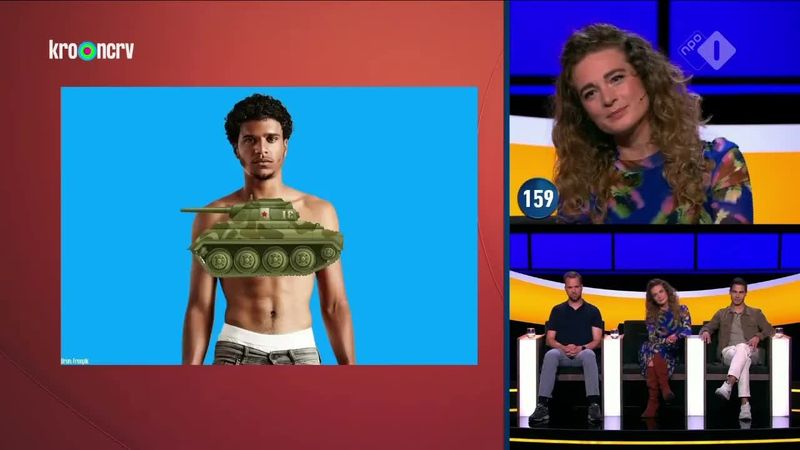
Cryptische kledingstukken raden in een quizronde
Woody Moonlighting
Co poćwiczysz
A quiz round guessing clothing items from photos, good for compound nouns like "spijkerbroek" and "kabeltrui".
De tranen van mijn vader en dit stukje land
KRO-NCRV
Co poćwiczysz
An emotional interview about a father and a piece of land, where the guest reflects with "eigenlijk" and "toch".
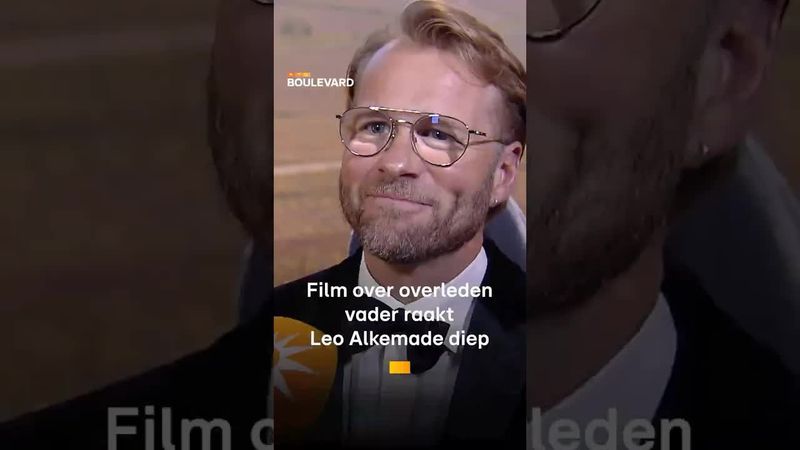
Leo Alkemade over film over zijn overleden vader
RTL Boulevard
Co poćwiczysz
An actor tells a reporter about a film premiere honoring his late father, hedging feelings with "eigenlijk" and "toch".
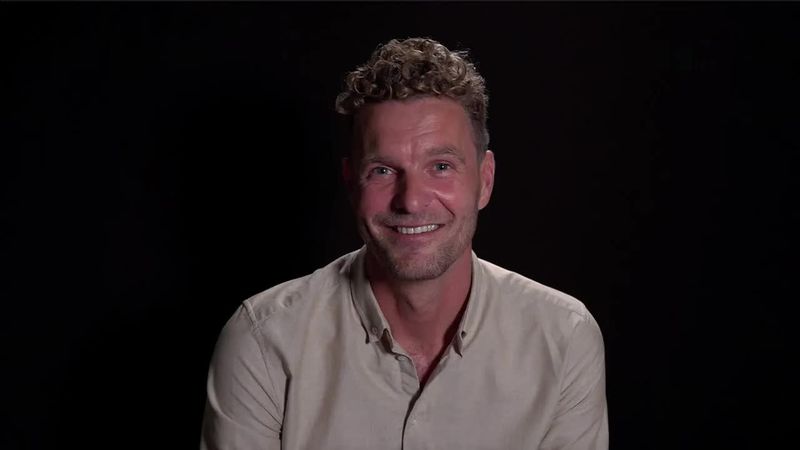
Florentijn Hofman stelt zich voor als kandidaat mol
Wie is de Mol?
Co poćwiczysz
An artist introduces himself for a TV game, stating opinions with "wat mij betreft" and "natuurlijk".
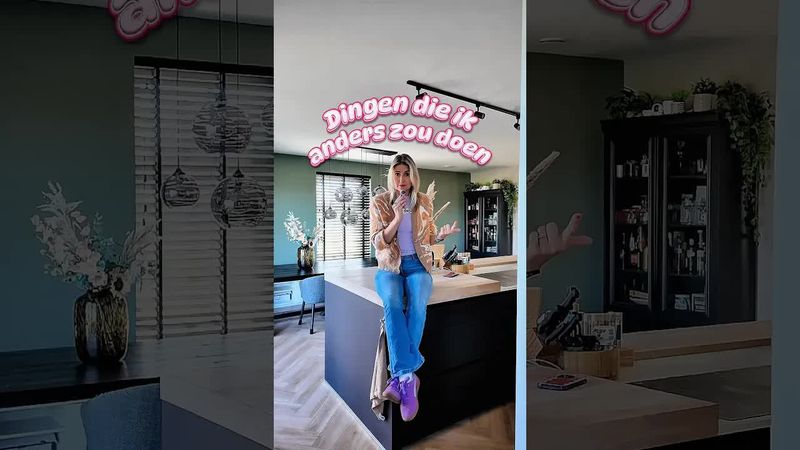
Dingen die ik anders zou doen in mijn keuken
Diesna Loomans
Co poćwiczysz
A vlogger walks through her kitchen and explains design regrets, using conditional forms like "zou doen" and "veel te duur".
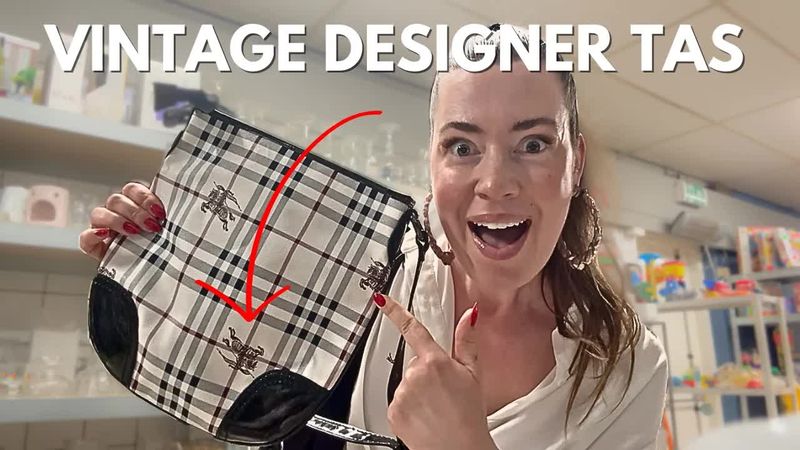
Designer vondsten en naaiprojecten in de kringloopwinkel
iamtheknees
Co poćwiczysz
A thrift shopping vlog about finding clothes to sew, where plans are explained with "namelijk" and "dus".
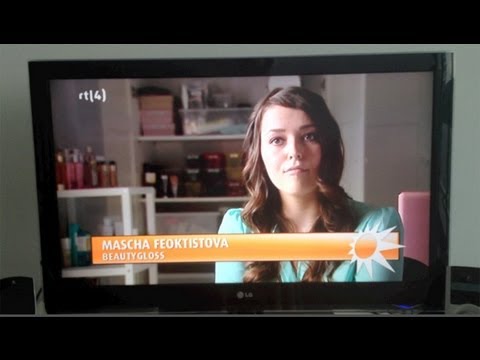
Beautyblogger Mascha bij RTL Boulevard over haar succes
beautygloss
Co poćwiczysz
A TV report profiles a beauty blogger who turned her hobby into a business, using time markers like "op een gegeven moment".
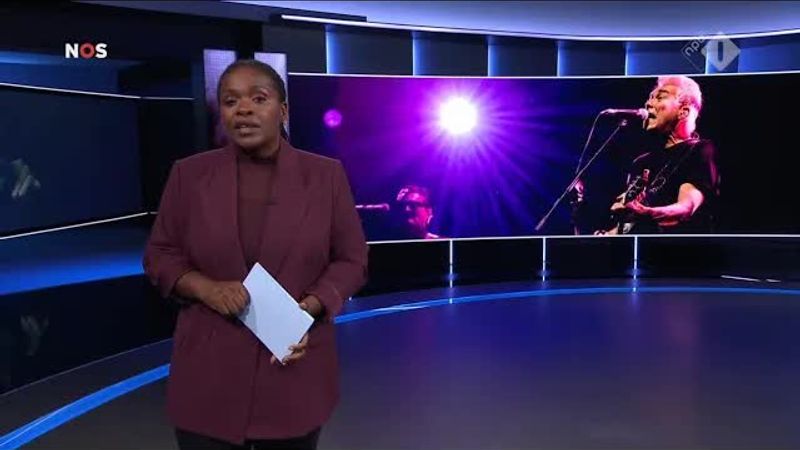
Overlijden van George Kooijmans en zijn muzikale erfenis
Woody Moonlighting
Co poćwiczysz
A news report on the deaths of two rock musicians, with passive forms like "wordt gezien als" and band history.
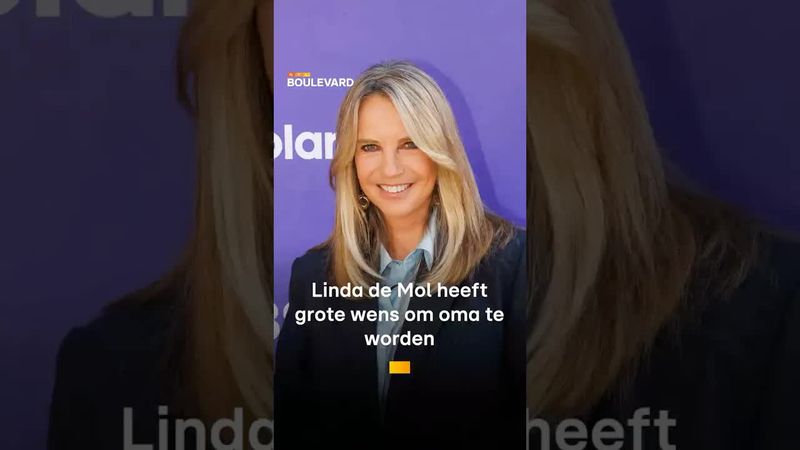
Over kinderen, tijd en de wens om oma te worden
RTL Boulevard
Co poćwiczysz
A talk show guest reflects on children growing up fast, hedging her opinion with "ik denk" and "best wel".
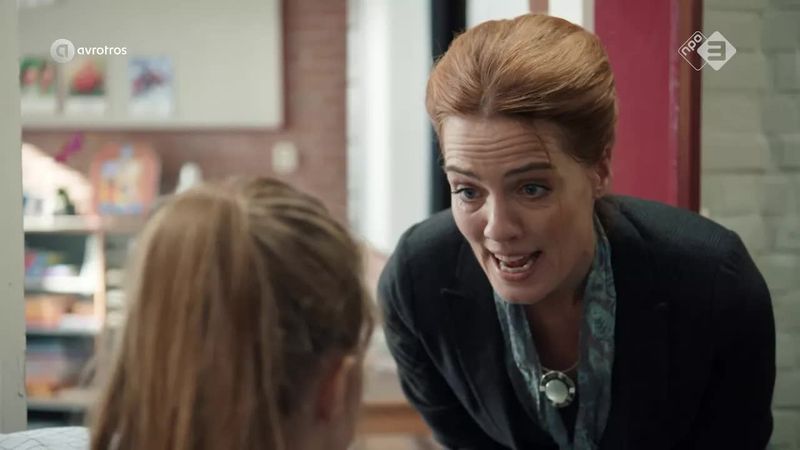
Verjaardagsstress en traktaties in de kleuterklas
AVROTROS
Co poćwiczysz
A comedy scene at a preschool about birthday treats, where parents argue politely and use "natuurlijk" and "toch" in fast everyday speech.
Herinnering aan Bataclan tijdens voorbereidingen op een feestshow
BM - Broadcast Magazine
Co poćwiczysz
A TV maker remembers the night of the Paris attack in an interview and uses "alsof" to compare feelings.
Exitgesprek met afvaller van Wie is de Mol
Wie is de Mol?
Co poćwiczysz
An exit interview about game choices, where the player hedges with "wellicht" and reflects with "uiteindelijk".
Test
Jak wygląda test ze słuchania na poziomie B2?
Egzamin ze słuchania (Luisteren) trwa 90 minut, odbywa się na komputerze, w słuchawkach. Jest około 40 pytań wielokrotnego wyboru do pięciu lub więcej nagrań. Format jest taki sam dla Programma I i II, zmienia się tylko poziom niderlandzkiego. Oto co usłyszysz:
Fragmenty audio
Krótkie, prawdziwe nagrania o sytuacjach w pracy, na studiach i w życiu codziennym: rozmowy, instrukcje, reportaże i wypowiedzi.
Raz
Fragmenty wideo
Od jednego do trzech fragmentów to krótkie filmy (filmpjes), każdy z jednym pytaniem. Resztę stanowi samo audio.
Raz
Masz około 25 sekund, żeby przeczytać każde pytanie i trzy opcje odpowiedzi. Potem fragment zaczyna się sam i słyszysz go raz. Bez powtórki.
Nagrania są prawdziwe, więc słyszysz różne głosy, potknięcia językowe, powtórzenia, a czasem szum w tle. Mówiący może mieć akcent, ale nigdy dialekt.
Podczas Luisteren nie możesz korzystać ze słownika, a każde pytanie ma tylko jedną prawidłową odpowiedź.
Poziom i słowa
Jaki poziom i ile słów muszę znać?
Słuchanie wymaga dużo mniej słów niż czytanie. Badania pokazują, że około 3000 najczęstszych słów pokrywa mniej więcej 95% zwykłej mowy, a pierwszy tysiąc słów pokrywa większość tego, co mówią ludzie.
Na poziomie B2 rzadko przeszkadzają brakujące słowa. Przeszkadza tempo i to, że wszystko słyszysz tylko raz. Wideo pomaga, bo obraz podpowiada, o czym jest fragment, a twój słuch nadrabia zaległości.
Oglądaj filmy z wizualnymi wskazówkami, na YouTube albo tutaj, na Reelang.
Na podstawie badań
Nation (2006) About 3,000 common word families cover roughly 95% of everyday spoken English; reading needs far more.
Webb (2021) The most frequent 1,000 words alone cover most of what people say in speech.
Durbahn et al. (2024) Video is easier to understand at a given vocabulary size, because the pictures help you guess.
Jak ćwiczyć
Jak ludzie najczęściej ćwiczą
Nie ma jednego słusznego sposobu. Ludzie łączą różne metody, a darmowy pakiet powyżej pasuje do każdej z nich.
Kurs albo nauczyciel
Niderlandzkie wiadomości i aktualności, jak NOS Journaal, Nieuwsuur czy EenVandaag
Wykłady i filmy dokumentalne o prawdziwych tematach, a nie o nauce niderlandzkiego
Oglądanie prawdziwych filmów po niderlandzku na swoim poziomie
Zacznij oglądać już teraz, bez e-maila
Przejrzyj w katalogu każdy film po niderlandzku na poziomie B2
Warto wiedzieć
Najczęściej zadawane pytania
Jak wybraliśmy ten pakiet do NT2 Programma II?
Przeszukiwanie zrobiliśmy za ciebie. Sprawdzamy tysiące filmów w języku niderlandzkim i oceniamy każdy z nich: poziom, tempo mówienia w słowach na minutę oraz to, jak dużo w nim jest najczęstszych słów. Do tego pakietu wybraliśmy filmy na poziomie B2 w standardowym języku niderlandzkim, w tempie zbliżonym do egzaminu (około 197 słów na minutę), w których około 97% słów należy do najczęstszych słów w mówionym języku niderlandzkim. Potem ręcznie przeczytaliśmy transkrypcje, żeby zachować codzienne tematy, które wykorzystuje test, i na początku umieściliśmy filmy najbardziej wyraziste i obrazowe. Około 3000 najczęstszych słów pokrywa już mniej więcej 95% zwykłej mowy (Nation 2006), więc tego rodzaju treści dobrze pasują do egzaminu.
Jakich filmów użyć, żeby ćwiczyć słuchanie do NT2 Programma II?
Słuchaj prawdziwego niderlandzkiego z Holandii, mówionego w normalnym tempie native speakera, w którym ktoś wyjaśnia temat albo ludzie wyrażają swoje opinie. Wybierz tematy z pracy, nauki i życia codziennego, które wykorzystuje egzamin, na przykład historia i kultura, społeczeństwo i aktualności, praca, rodzina, zdrowie and media. Nie potrzebujesz rzadkich słów. Około 3000 najczęstszych słów pokrywa większość codziennej mowy (Nation 2006), więc treści zbudowane z najczęściej używanych słów dobrze pasują do egzaminu. Dobrym zestawem są fragment wiadomości, wywiad i przejrzyste wyjaśnienie, bo egzamin wykorzystuje właśnie takie krótkie, prawdziwe fragmenty. Dokładnie tak powstał bezpłatny pakiet 98 filmów powyżej.
Czy nagranie w egzaminie NT2 ze słuchania odtwarza się raz czy dwa razy?
Raz. Każdy fragment odtwarzany jest jednorazowo i zaczyna się sam, bez przycisku powtórki. Masz około 25 sekund, żeby przeczytać pytanie i opcje odpowiedzi, zanim się zacznie. Niektóre inne egzaminy, jak Goethe i DELF, odtwarzają część nagrań dwa razy, więc ludzie często liczą na drugą szansę. Tutaj jej nie ma, dlatego pomaga ćwiczenie słuchania bez zatrzymywania się i wracania do nagrania.
Czy muszę zdać Programma I, zanim przystąpię do Programma II?
Nie. To osobne egzaminy i możesz podejść do Programma II od razu. Wybieraj według celu, a nie kolejności: Programma I (B1) odpowiada nauce na mbo i pracy na poziomie mbo-3 lub mbo-4, a Programma II (B2) odpowiada nauce na hbo czy uniwersytecie i pracy na tym poziomie. Jeśli twój cel wymaga B2, Programma I to zbędny krok, nie konieczny pierwszy etap.
Czy NT2 Programma II wystarcza do pracy w holenderskiej opiece zdrowotnej?
To zależy od zawodu. Dla pielęgniarek wykształconych na poziomie hbo rejestracja BIG wymaga niderlandzkiego na poziomie B2, a NT2 Programma II to standardowy sposób, by to potwierdzić. Dla pielęgniarek wykształconych na poziomie mbo wymagany poziom to B1, czyli Programma I. Dla lekarzy próg jest wyższy: B2 plus medyczny niderlandzki, zwykle nazywany B2+, więc samo Programma II im nie wystarczy.
Czy NT2 Programma II liczy się do holenderskiego obywatelstwa?
Tak. Do naturalizacji potrzebny jest inburgeringsexamen na poziomie A2 albo staatsexamen NT2 na poziomie B1 lub B2. Dyplom Programma II się liczy i potwierdza dużo wyższy poziom niderlandzkiego niż minimum, co pomaga też później w nauce i pracy.
Ile kosztuje Staatsexamen NT2?
Każda część egzaminu kosztuje 50 euro, więc pełny program z czterech części (Lezen, Luisteren, Schrijven, Spreken) kosztuje 200 euro. Tak samo jest w Programma I i II. Części możesz zdawać i powtarzać osobno, więc jeśli jedna się nie powiedzie, płacisz tylko za nią jeszcze raz.
Czy mogę przygotować się za darmo?
Tak. Najbardziej zbliżoną do egzaminu bezpłatną praktyką jest oficjalne środowisko ćwiczeniowe NT2 (oefenomgeving), z przykładowymi egzaminami wszystkich czterech części obu programów. Najlepiej działa na komputerze, nie na telefonie. Potem najlepsze, co możesz zrobić za darmo, to dużo słuchać prawdziwego niderlandzkiego na swoim poziomie. Zacznij od filmów powyżej albo oglądaj więcej na YouTube lub tutaj, na Reelang.